Warehouse Automation AI: Which Tier To Deploy First
Gartner says warehouse AI has crossed from pilots to live deployments across four tiers - but not all four deserve your budget at once. The sequencing advice buried in their report matters more than the tier list itself.
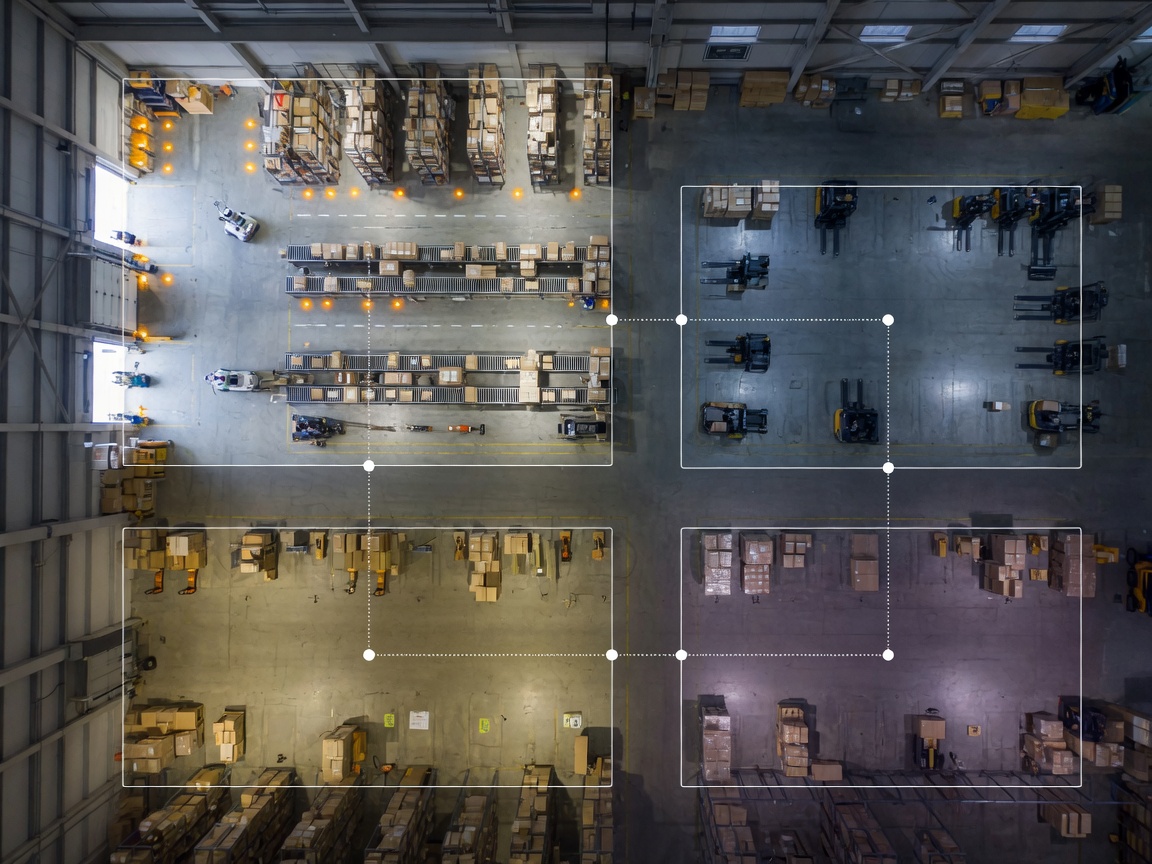
Automation needs a narrow first win
The best first AI workflow is usually a repeated task with a clear input, clear output, and a human approval step.
Gartner's new read on warehouse AI says the trial phase is over: logistics operators are running live facility deployments across four AI tiers, pushed by persistent worker shortages, lower capital requirements, and algorithms plus autonomous machinery that finally hold up in production. That last one is the load-bearing claim. Warehouses don't pilot software for fun; they pilot it because the robots keep breaking or the forecasts keep missing, and Gartner saying reliability is now a driver means someone fixed the boring parts.
The Four Tiers, Ranked By What I'd Deploy First
The tiers run on two axes - intelligence sophistication and operational action orientation - and they're not equally mature. Enhanced optimisation models are the proven layer: live floor telemetry feeding demand forecasting, shift planning, travel routing, and stock placement. If I'm an integrator, this is where the money is. Slotting and labour forecasting have measurable baselines, so you can tell within a quarter whether the system is earning its keep.
Generative systems come next - compiling dynamic documentation from maintenance records, delivery receipts, incident tickets. Useful, low-risk, but it's paperwork automation; nobody's throughput depends on it.
Semi-autonomous agents reassigning picking tasks and redistributing machinery are where it gets interesting and where it gets dangerous. Gartner notes human managers retain manual override authority - which tells you exactly how much operators trust them. An agent that reshuffles work assignments touches every worker's day at once. One bad redistribution during peak season and you'll spend months rebuilding floor-level buy-in.
Physical automation - ML fused with robotics and spatial sensors for picking, packing, sorting, pallet transit - is the capital-heavy end of the spectrum.
Worth a look
Phugialy Picks

INIU 10000mAh 45W Fast Charging Portable Power Bank
We'd buy this if: You've been caught with a dead phone/laptop away from an outlet more than once.
We'd skip this if: You're always near a charger anyway.
OMOTON C2 Adjustable Aluminum Phone Stand
We'd buy this if: You want your phone upright on your desk for calls/notifications without a cable getting in the way.
We'd skip this if: You never keep your phone on your desk.
Screen Mom Screen Cleaner Spray (16oz)
We'd buy this if: You've been wiping your monitor with your shirt sleeve.
We'd skip this if: You already have a cleaning routine sorted.
Some Phugialy Picks use affiliate links. If you buy through one, Phugialy may earn a commission. It doesn't change what we recommend. Full disclosure →
Where This Breaks At Real Scale
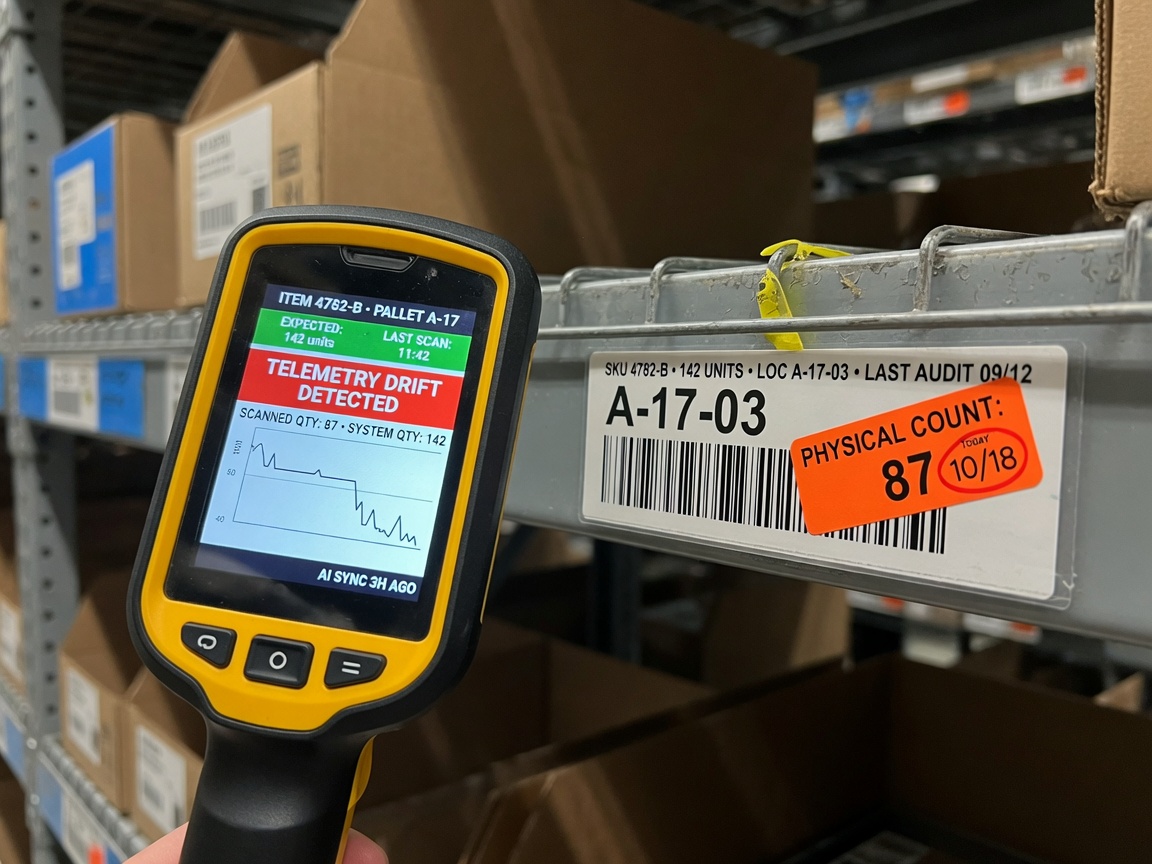
The demo-to-production gap here isn't model quality; it's data hygiene. Optimisation models running on live floor telemetry assume your telemetry is clean. Most facilities I've seen have inventory records that drift from reality within weeks of go-live. Automating slotting decisions on top of inaccurate stock placement data doesn't make you efficient - it makes you confidently wrong at machine speed.
Same with agents reassigning tasks: their decisions are only as good as the state they're observing. The override authority isn't a safety nicety; it's an admission that edge cases will hit constantly in a facility with real humans moving through it.
That's why Gartner's sequencing advice - start with proven inventory optimisation tools like labour forecasting and slotting, then expand into generative AI and agents - is pragmatism worth copying rather than consulting boilerplate. Proven use cases give you clean data flows first; everything downstream inherits them.
The underappreciated part of this framework is how tightly the tiers interlock. Gartner calls them interconnected trends shaping an intelligent, adaptive warehouse environment - which means tier one isn't just a safe starting point, it's the substrate tier three depends on. Skip it to chase agentic demos and you're building orchestration on top of chaos.
What I'd actually try first: pick one facility, wire up labour forecasting against your existing scheduling data for a quarter, measure forecast error honestly, then decide whether agents deserve access to your task queue.
Got a question about how this applies to you? →
Keep reading
Follow the thread
Responsible Industrial AI: Where Human Oversight Actually Ends
Who is accountable when an autonomous industrial AI system makes a bad call in a live plant - and does AVEVA's responsible AI framework actually answer that, or just relocate it? The source article, an MIT Technology Rev
Read this noteSame lane, different angle
Toyota's $6.4B Factory Automation Bet: What It Really Costs
Toyota estimates automating its factories will take around 400,000 robots and $6.4 billion every year from 2028 - roughly an entire year of Japan's national robot deployments for one company. But its piston assembly line already went from three operators to zero since January.
AI Incident Response Works — So Why Are Engineers Losing the Skill?
AI incident response is getting good enough to handle the routine cases on its own — and that's precisely what makes it a problem. A recent article on the rise of 'AI SREs' makes an argument that deserves more attention