SRE Deskilling: What AI Incident Automation Can Erode
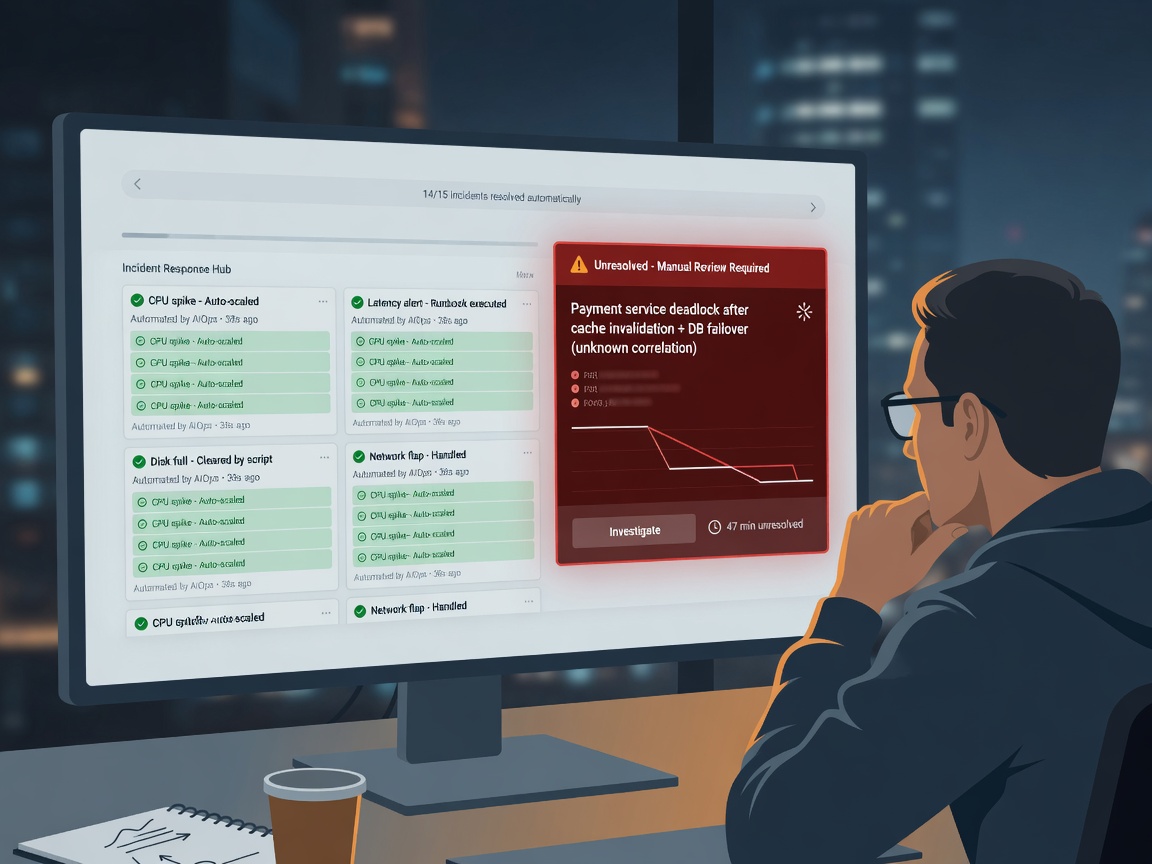
AI already automates routine SRE work: grouping alerts, surfacing known-issue runbooks, flagging anomalies, and handling some remediation. The concern is not that these systems can’t help with incident response. It’s tha
Automation needs a narrow first win
The best first AI workflow is usually a repeated task with a clear input, clear output, and a human approval step.
AI already automates routine SRE work: grouping alerts, surfacing known-issue runbooks, flagging anomalies, and handling some remediation. The concern is not that these systems can’t help with incident response. It’s that SRE deskilling may follow when engineers stop getting practice on the work automation handles—and junior engineers may never get those reps at all.
SRE Deskilling Starts With Familiar Incidents
The source article connects this risk to research on automation in other fields. It cites a medical study in which endoscopists’ unassisted polyp detection rate fell from 28% to 22% after they used AI assistance. It also points to aviation research finding reduced situational awareness and manual flying ability among pilots who rely heavily on autopilot.
These comparisons are a warning, not a direct measurement of SRE performance. The article does not establish that automation has already caused the same decline in incident response. But the pattern is relevant: when routine decisions are delegated, people may become less practiced at making them without assistance. The article frames “when AI handles 95% of your incident response” as a risk scenario, not as a reported industry-wide measurement.
Worth a look
Phugialy Picks

AI Engineering: Building Applications with Foundation Models
A practical guide to building real-world applications with foundation models and LLMs.

The AI Engineering Bible: The Complete and Up-to-Date Guide to Build, Deploy and Scale Production Ready AI Systems

2084 and the AI Revolution, Updated and Expanded Edition: How Artificial Intelligence Informs Our Future
Some Phugialy Picks use affiliate links. If you buy through one, Phugialy may earn a commission. It doesn't change what we recommend. Full disclosure →
Junior Engineers Face a Different Kind of Skill Gap
There are two problems here, and they are easy to blur. Deskilling is losing a capability someone already had. Never-skilling is failing to develop a capability in the first place. An experienced engineer may get rusty at diagnosing unfamiliar failures; a junior engineer may have fewer chances to learn how to diagnose them at all.
That distinction matters because a team can look efficient while its people are getting fewer chances to build judgment. Routine incidents are not just work to clear; they can also be practice for recognizing what is unusual. If automation takes over that practice, the risk becomes visible only when the system encounters something outside the familiar patterns.
Track Readiness, Not Just Automated Response
My read is that the real question is not whether to automate routine incident work. It is whether teams can still respond effectively when automation is unavailable or the failure is unfamiliar. The article’s examples make that a credible concern, but they don’t tell us how quickly SRE skills erode, which tasks are most affected, or what level of human practice is enough to prevent it.
That leaves an important gap in the case for automation: successful handling of known incidents does not, by itself, demonstrate human readiness for novel ones. Teams should be wary of treating faster routine response as a complete measure of operational capability. The practical test is whether engineers still have opportunities to build and demonstrate unassisted judgment—not whether every familiar alert still needs a person. Automation can remove toil; it should not quietly remove the practice that helps people handle the incident nobody has seen before.
Got a question about how this applies to you? →
Keep reading
Follow the thread
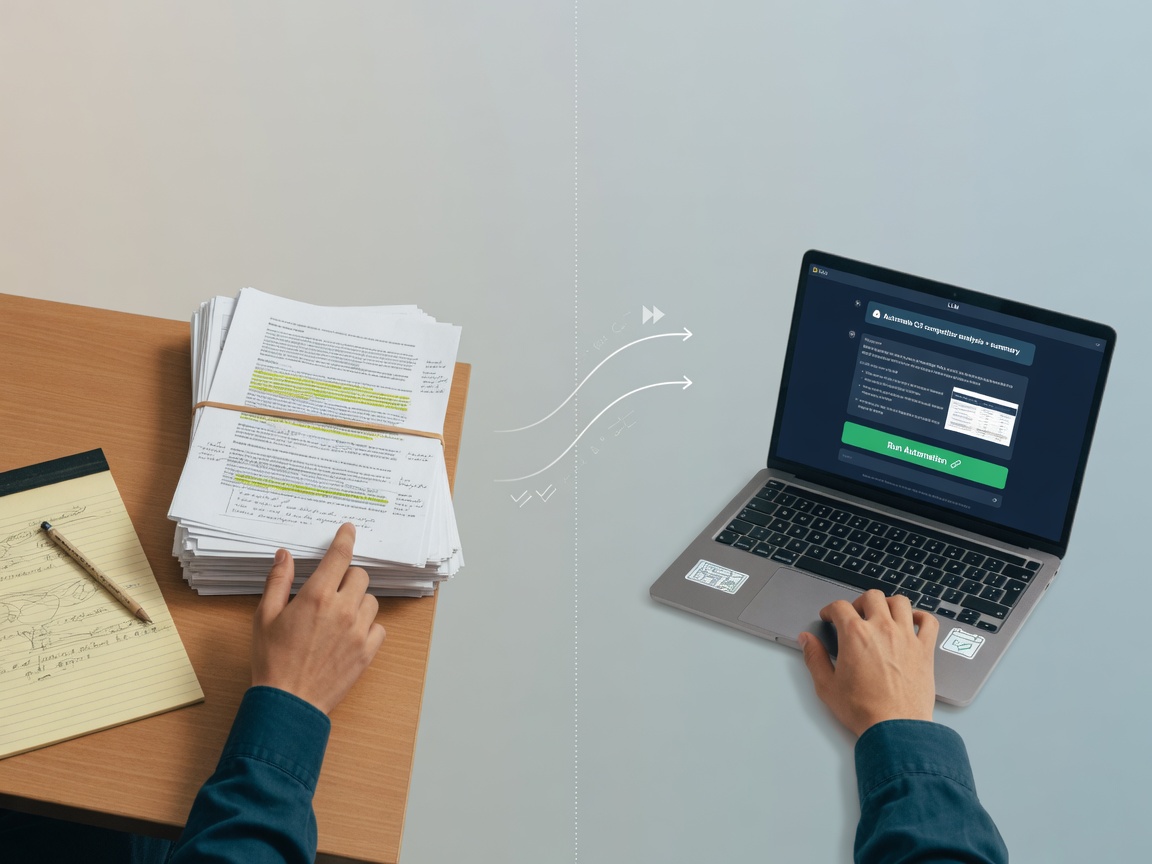
Tool Use and LLM Automation: The Business Skill Trade-Off
An LLM can handle paper-reading, but the task may also be where people learn to write, argue, notice, and think. For businesses, the decision is whether that practice is expendable—or part of the capability they need to keep.
Read this noteSame lane, different angle
AI Adoption by Industry: The Skills Behind the Gap
AI adoption by industry is uneven: 48% of finance workers say they’ve been asked to use AI chatbots, while the source article frames differences between sectors as a technology-diffusion timeline, not a scorecard. That d
Warehouse Automation AI: Which Tier To Deploy First
Gartner says warehouse AI has crossed from pilots to live deployments across four tiers - but not all four deserve your budget at once. The sequencing advice buried in their report matters more than the tier list itself.