Why AI Serving Architecture Shapes Enterprise AI Results
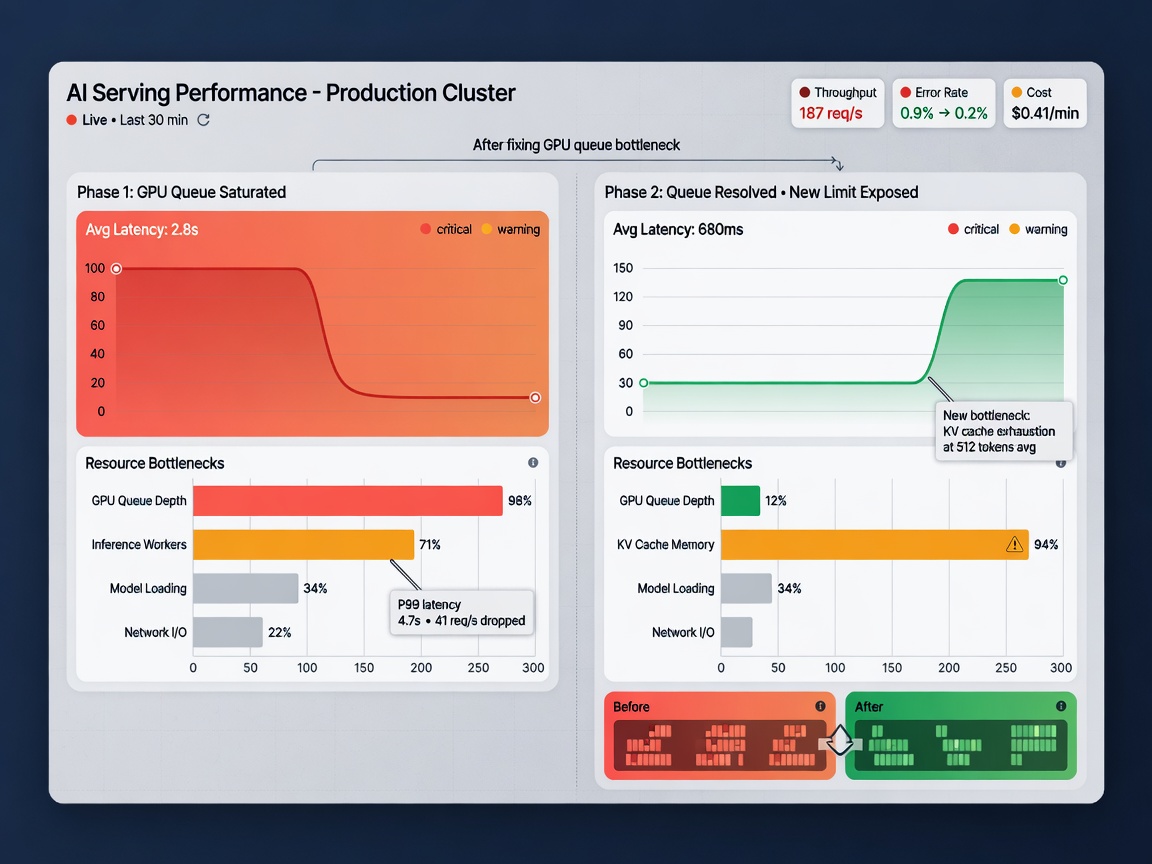
A strong model is only part of an enterprise AI system. Memory, concurrency, scheduling, and GPU utilization shape whether it can deliver reliably in production—and the bottleneck may move after you fix it.
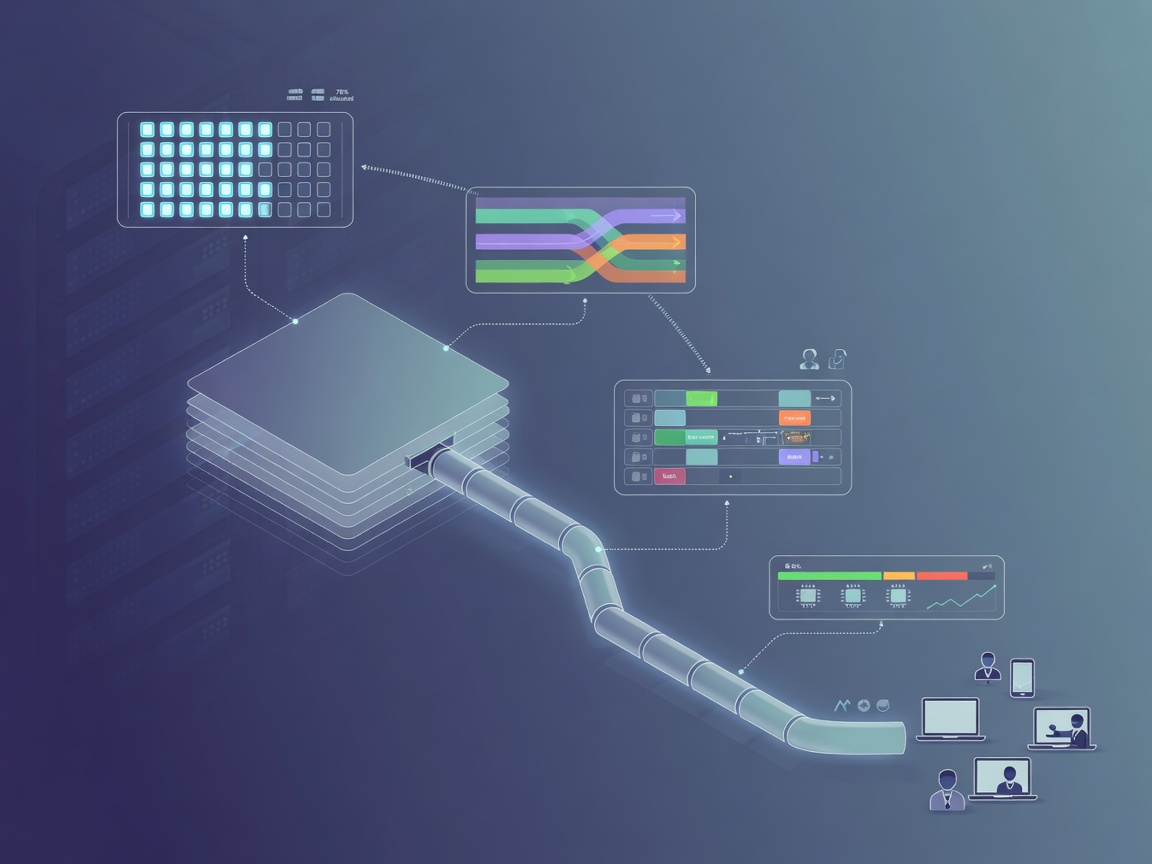
Automation needs a narrow first win
The best first AI workflow is usually a repeated task with a clear input, clear output, and a human approval step.
AI serving architecture—not model choice alone—determines whether an enterprise can deliver AI outcomes reliably, economically, and at scale. The source article’s central point is practical: choose the model and serving system for the workload, then tune the production path around its actual constraints.
AI serving architecture starts with workload fit
There is no universally best model or serving architecture in this account. The right choice depends on what the workload requires. That shifts the decision away from picking a model by capability alone and toward asking how it will behave inside the system expected to serve it.
The source article identifies memory, concurrency, scheduling, and GPU utilization as interconnected parts of production performance. Those are not independent knobs: a change intended to improve one part of serving may leave another as the limiting factor. The article doesn’t provide benchmark figures or a recipe for a particular workload, so the useful lesson is a decision framework, not a preset configuration.
My read: this makes serving architecture part of product engineering, not just infrastructure cleanup after a model has been selected. If a team evaluates models without considering how they’ll be served, it risks comparing model capabilities while ignoring the conditions that determine whether those capabilities can be delivered in production.
Worth a look
Phugialy Picks

AI Engineering: Building Applications with Foundation Models
A practical guide to building real-world applications with foundation models and LLMs.

GMKtec K15 AI Mini PC Oculink Intel Ultra 5 125U 32GB DDR5 512GB SSD | Desktop Computer AI Boost, 3X M.2 2280 Storage Expansion, Dual NIC...

Agentic AI Engineering: Systems That Reason and Act Autonomously – Designing, Building, and Prompting LLM-Based Agents for Real-World Deployment
Some Phugialy Picks use affiliate links. If you buy through one, Phugialy may earn a commission. It doesn't change what we recommend. Full disclosure →
Measure the dominant constraint before optimizing
The article’s operational guidance is concise: measure before optimizing, identify the dominant constraint, address it, and measure the result. Then check whether another bottleneck has emerged. That last step matters because production performance depends on connected decisions; fixing one constraint doesn’t establish that the system is now well balanced.
For a team integrating AI, this argues against tuning based on a favorite metric or treating GPU utilization as the whole story. The source names memory, concurrency, scheduling, and GPU utilization, but doesn’t claim that any one is always the bottleneck. Which one matters has to be established by measurement in the workload at hand.
In my view, this is the part most likely to save engineering time. A serving change that looks sensible in isolation can miss the actual constraint. Measuring first gives the team a reason to make a change; measuring afterward shows whether it helped or simply moved the problem elsewhere.
Adaptable serving systems reduce rebuilds
The other design goal is adaptability. The article argues that an adaptable serving system lets enterprises evaluate new models and infrastructure without rebuilding their AI platforms. That matters because the model and the hardware underneath it can change, while the organization still needs a way to serve its workload.
I’d treat that as a platform design requirement, not a promise that every future model or hardware change will be painless. The source doesn’t specify how to build such a system or quantify the cost of rebuilding. But its direction is clear: avoid tying the serving platform so tightly to one model or infrastructure choice that evaluating an alternative requires starting over.
The practical test is whether the serving system can accommodate evaluation and change while still meeting the workload’s requirements. Start by measuring the constraint that actually limits production, and keep the platform flexible enough to reassess the choice later. The model supplies intelligence; the serving harness determines whether the enterprise can deliver it reliably and economically.
Got a question about how this applies to you? →
Keep reading
Follow the thread
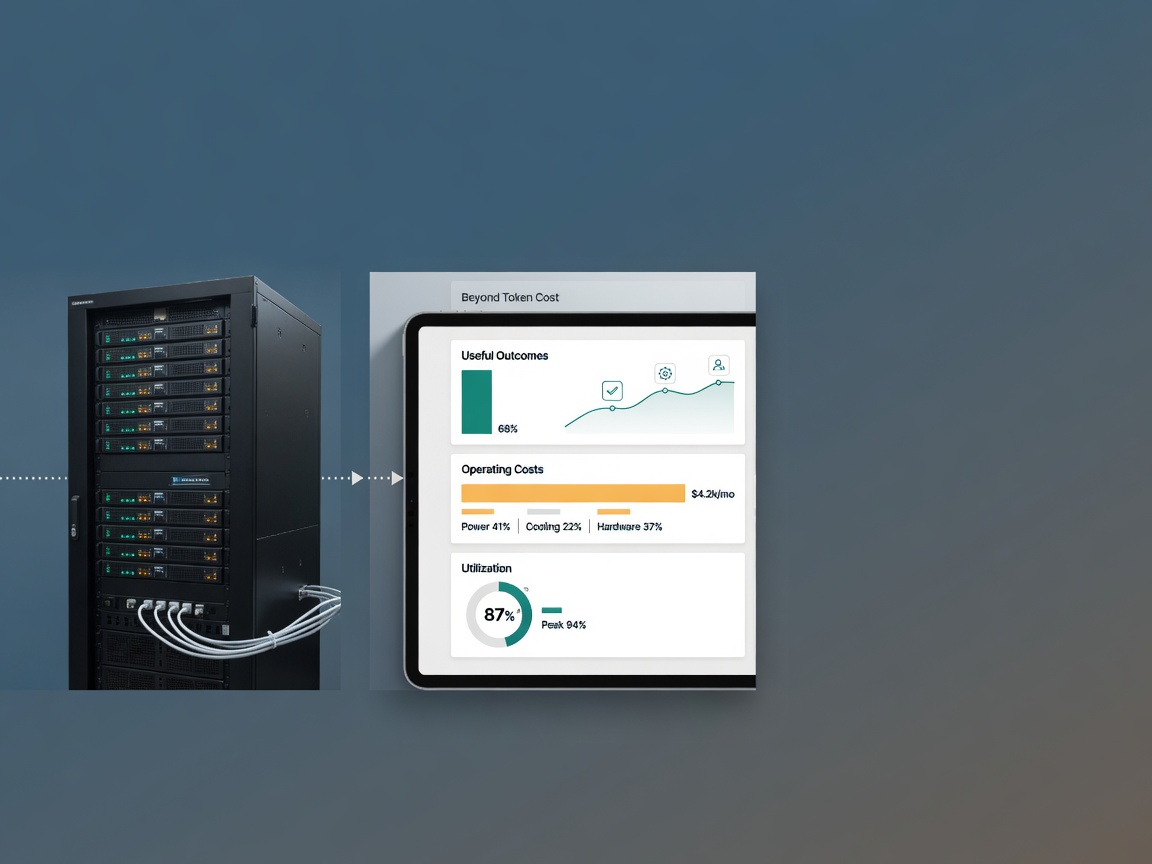
Enterprise AI Economics: Measure More Than Token Cost
A cheaper token does not necessarily mean cheaper AI. Enterprise AI economics also depend on utilization, operations, and whether the system delivers useful outcomes.
Read this noteSame lane, different angle
Owning AI Capacity vs Consumption Pricing: When It Pays
Every organization has a crossover point where owning AI capacity becomes cheaper than paying per request — and there is no universal number for where that line sits. That's the core claim of a recent analysis on AI econ
AI Data Center Water Use Has a Cost Beyond Compute
Data centers in Quilicura use large amounts of water to cool servers amid Chile’s ongoing drought. A local project made that infrastructure visible by having residents act as “human A.I.” for a day—but the bigger question is what water-use data would let communities evaluate the impact.