Microsoft MAI-DxO: Strong Tests, Unproven Clinical Value
Microsoft MAI-DxO’s diagnostic performance looks strong on complex medical cases: the system outperformed generalist physicians in reported tests while ordering fewer tests and procedures. That is a meaningful result, bu
Automation needs a narrow first win
The best first AI workflow is usually a repeated task with a clear input, clear output, and a human approval step.
Microsoft MAI-DxO’s diagnostic performance looks strong on complex medical cases: the system outperformed generalist physicians in reported tests while ordering fewer tests and procedures. That is a meaningful result, but it is not evidence that it can safely take over diagnosis in a clinic.
Microsoft MAI-DxO’s diagnostic performance depends on the test
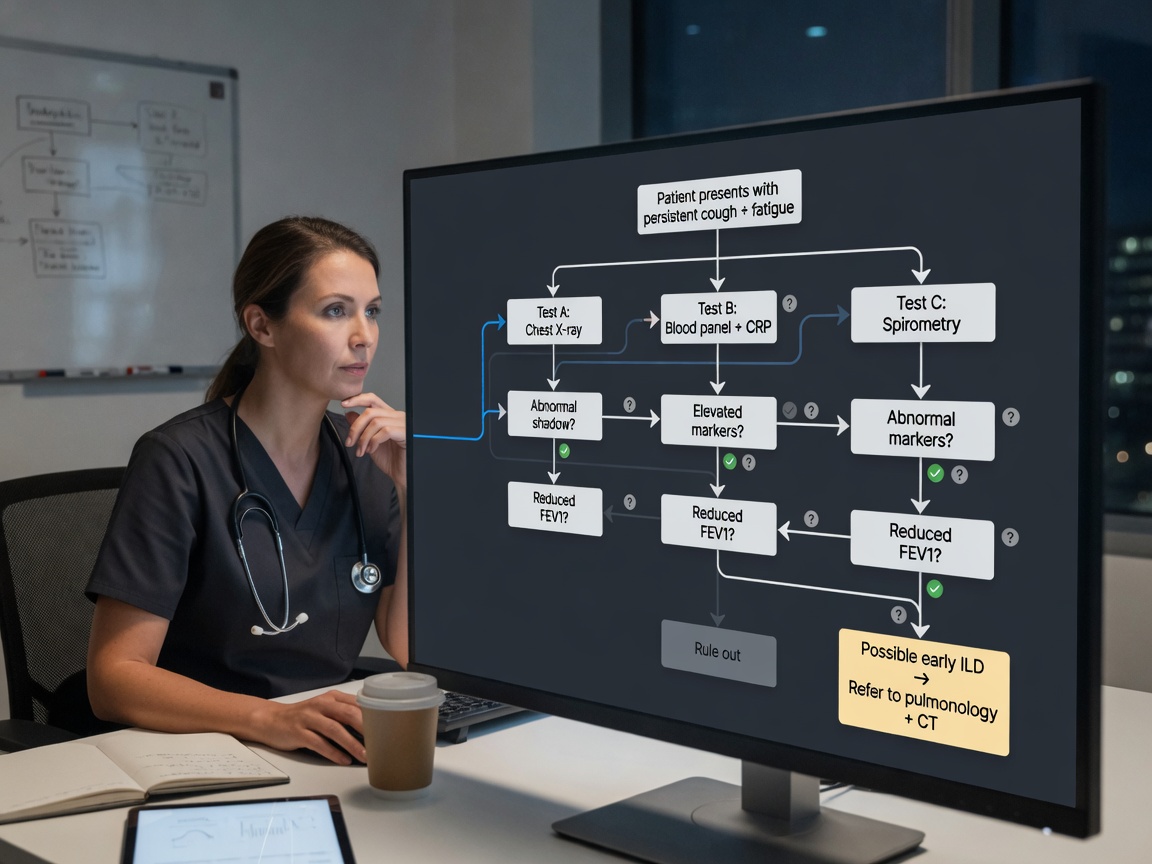
MAI-DxO works sequentially. It chooses follow-up questions and tests, then uses the information gathered to reach a diagnosis. That makes the evaluation more relevant to clinical reasoning than a one-shot question-and-answer test: the system has to decide what information to gather, not just interpret a completed case.
The research, published in Science after first appearing as an arXiv preprint, reports higher diagnostic accuracy than generalist physicians on complex cases and emergency department admissions. Its strongest reported results used OpenAI’s GPT-5, with additional testing showing improvements using GPT-5.5. The researchers also proposed the Sequential Diagnosis Benchmark, or SDBench, to assess this step-by-step diagnostic capability.
My read is that the sequential setup is the part worth paying attention to. In practice, choosing the next useful question or test is a different task from producing a plausible diagnosis after all the relevant details have been supplied. Still, performance on benchmark cases does not tell us how consistently the system handles incomplete records, unusual presentations, or the everyday variation of clinical work. The source material does not establish those things.
Worth a look
Phugialy Picks

AI Engineering: Building Applications with Foundation Models
A practical guide to building real-world applications with foundation models and LLMs.

GMKtec K15 AI Mini PC Oculink Intel Ultra 5 125U 32GB DDR5 512GB SSD | Desktop Computer AI Boost, 3X M.2 2280 Storage Expansion, Dual NIC...

Agentic AI Engineering: Systems That Reason and Act Autonomously – Designing, Building, and Prompting LLM-Based Agents for Real-World Deployment
Some Phugialy Picks use affiliate links. If you buy through one, Phugialy may earn a commission. It doesn't change what we recommend. Full disclosure →
Fewer tests do not yet mean lower real-world costs
MAI-DxO reportedly reached its results while ordering fewer tests and procedures. That could matter: diagnostic workups have costs, and avoiding unnecessary steps would be useful if accuracy holds up. The catch is that the reported savings—described as potentially cutting costs to half or even one third—come from simulated cases, not observed clinical practice.
That distinction is not a technicality. A simulated case can estimate what a system might order under the conditions of the evaluation; it cannot establish how those choices affect real patients, clinic workflows, or total costs. My interpretation is that the cost claim is a hypothesis worth testing, not a result health systems should budget around yet.
Clinical testing is the next evidence to watch
Microsoft plans to begin clinical testing at Beth Israel Deaconess Medical Center within the next couple of months. The system is being positioned as an assistant, not a replacement for doctors, and the source notes that strong test performance alone does not justify replacing clinicians. That is the right boundary for the claim as it stands.
The useful next signal will be whether clinical testing shows that MAI-DxO can improve diagnostic decisions while maintaining safety and reducing unnecessary procedures in actual care. Until then, the benchmark result supports further evaluation—not deployment at scale or a claim that physicians have been outclassed in practice. The headline numbers are promising; the real question is whether the sequential approach remains useful when the cases stop being simulated.
Got a question about how this applies to you? →
Keep reading
Follow the thread

NVIDIA’s Robotics Simulation Stack Faces the Transfer Test
GR00T 2 reached 40 of 50 tasks without task-specific demonstrations, and its reported success rose to 95% with five demonstrations per task. The harder question is whether these results transfer beyond the evaluation setup—and NVIDIA’s simulation stack is where that question can be tested at greater scale.
Read this noteSame lane, different angle
AI Coding and the Cost of a Fragile SaaS Codebase
AI coding can speed up pull requests while leaving the tests shallow and the code harder to understand. The deciding question is not how much code it generates, but whether your team can still verify and maintain it.
Federal AI Regulation: Risk Claims Need a Testable Line
Scott Wiener wants Congress to act on catastrophic AI risks, including recursive self-improvement. The hard part is translating that warning into rules with clear triggers, tests, and accountability.