The Agentic Web Needs More Than Better Browsing Tools
LLM-based agents can now interpret ordinary web pages and interact with graphical interfaces. The harder question is whether they can do that with bounded access, reliable user control, and an open web.
Automation needs a narrow first win
The best first AI workflow is usually a repeated task with a clear input, clear output, and a human approval step.
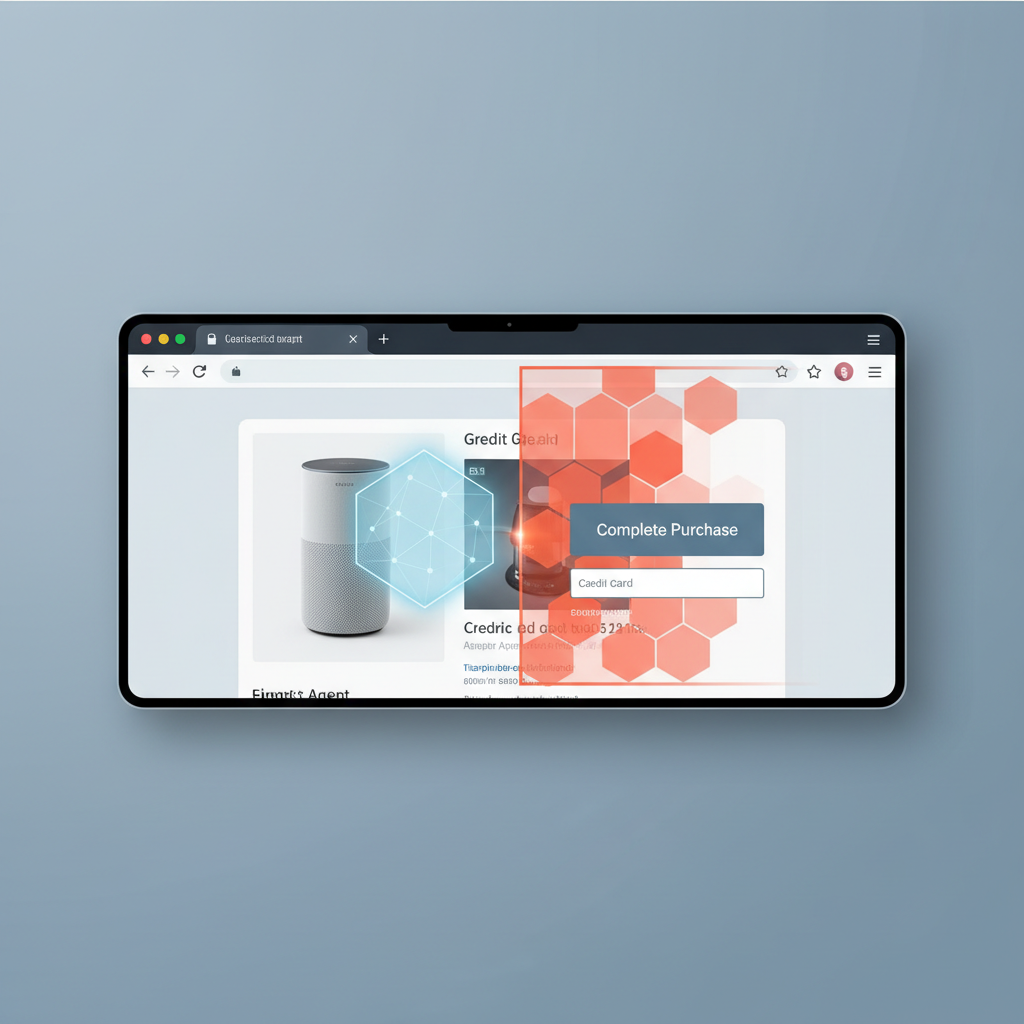
The agentic web is worth evaluating as an integration problem, not just a smarter-browser demo. LLM-based agents can interpret ordinary web content without special annotations and, with multimodal capabilities, interact with graphical interfaces. That makes more of the existing internet usable by software—but it does not answer who controls the access or what happens when an agent gets an action wrong.
The agentic web can work with the web we already have
Earlier visions of autonomous software agents ran into a basic obstacle: websites were designed for people, not agents. The source article’s central point is that large language models change that constraint. Agents can understand ordinary web content, while multimodal capabilities let them work through graphical interfaces rather than relying only on specially prepared pages.
AI companies are releasing agent products, and researchers are exploring both browser-based and tool-based approaches to web use. Those are different integration paths, but the practical promise is similar: let an agent navigate information and services that already exist instead of requiring every site to adopt a new format.
My read is that this lowers the barrier to building useful web workflows, but it doesn’t remove the hard engineering. Understanding a page is not the same as reliably completing a task across varied sites. The source establishes a broader capability, not a guarantee of robust performance on messy, changing interfaces. For a developer, the part worth testing is whether an agent can recover from ambiguity and still stay within the boundaries you set.
Worth a look
Phugialy Picks

AI Engineering: Building Applications with Foundation Models
A practical guide to building real-world applications with foundation models and LLMs.

GMKtec K15 AI Mini PC Oculink Intel Ultra 5 125U 32GB DDR5 512GB SSD | Desktop Computer AI Boost, 3X M.2 2280 Storage Expansion, Dual NIC...

2084 and the AI Revolution, Updated and Expanded Edition: How Artificial Intelligence Informs Our Future
Some Phugialy Picks use affiliate links. If you buy through one, Phugialy may earn a commission. It doesn't change what we recommend. Full disclosure →
Connectors make permissions part of the design
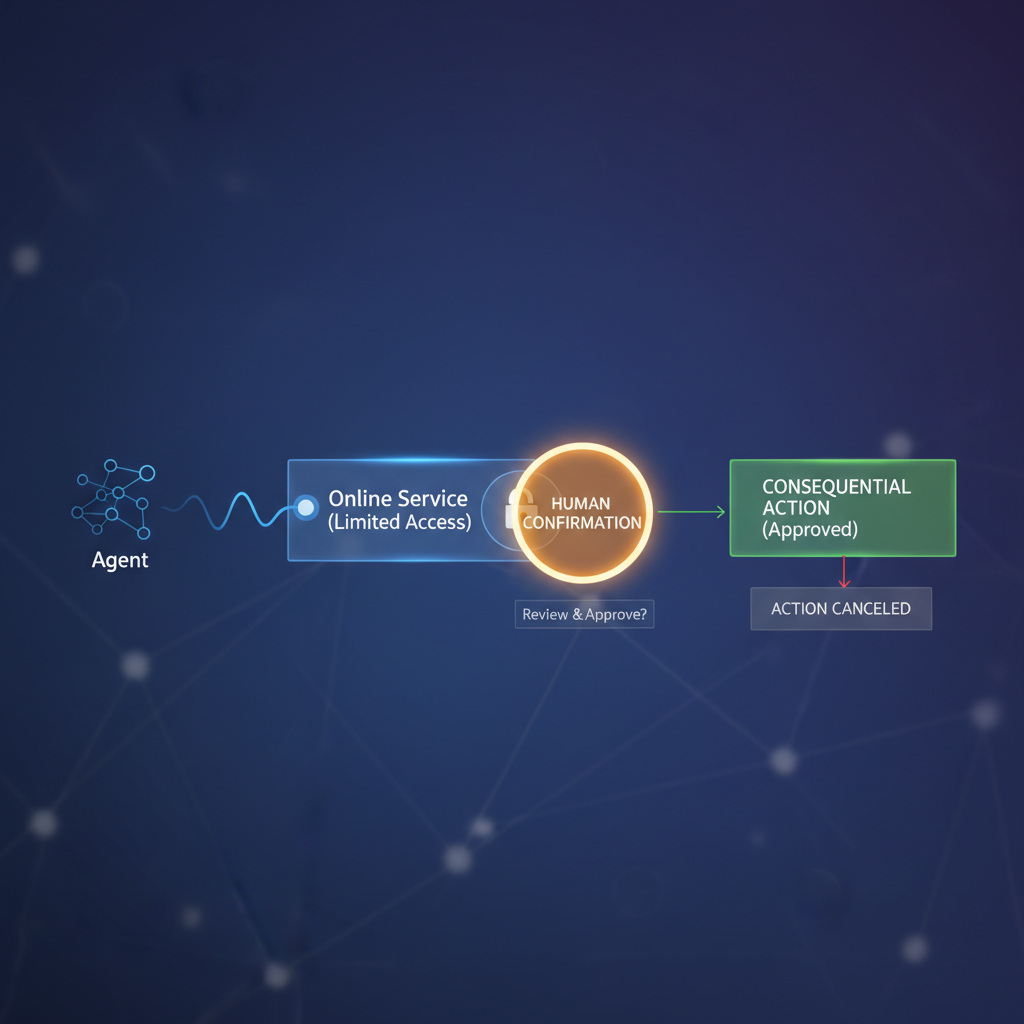
Connectors can give agents access to online services while limiting what they can do. They can also require human confirmation for actions such as purchases. That pattern matters because it makes authorization an explicit part of the workflow rather than assuming that an agent should act with unrestricted access.
In practice, I’d treat those controls as core product behavior, not a final safety layer. A useful agent needs enough access to complete a task, but the user needs a clear point to review consequential actions. The source describes one mechanism for that balance; it does not establish how consistently different products implement it or how well the controls handle every edge case.
The open-web question is still unresolved
An agentic web could make the internet easier to use. The corresponding risk is that control over how people reach online services concentrates in dominant platforms, while safety risks remain unresolved. Those concerns are connected: when an agent mediates access, the service or platform setting its boundaries can shape what the user can do.
That makes openness a practical integration concern, not an abstract debate. If agents depend on a small number of platforms or controlled connectors, developers may inherit access limits they do not control. If access is broader, the challenge is ensuring actions remain safe and understandable. The source raises these tensions without claiming they are settled.
I would build against the agentic web where a task benefits from delegated navigation, but keep permissions narrow and human confirmation for consequential actions. The signal to watch is whether agent products can combine useful access with transparent limits; without both, the convenience risks arriving with less user control.
Got a question about how this applies to you? →
For a closer look at the access limits agents encounter online, read “Why AI Agents on the Web Keep Hitting Access Barriers.”
Keep reading
Follow the thread

AI Agent Brain Surgery Depends on Human Guardrails
An AI agent reportedly selected a gene therapy vector, derived coordinates from three papers, and injected a mouse. The critical part is not just what the agent did, but where human control remained—and what the account still does not show.
Read this noteSame lane, different angle
AI Agent Observability Needs Identity, Not Just Traces
Four widely used agent frameworks were found to have observability gaps, including missing persistent IDs and approval records. Without those links, a log can show an action without making its context clear.
Why AI Agents on the Web Keep Hitting Access Barriers
AI agents can reason through a shopping or booking task and still fail before they reach the useful part: a website may restrict them, or an anti-bot system may block them by mistake. Retail partnerships offer a path, but not a pass to the whole web.