AI Alignment by Incentive Design: What It Can Show
Mechanism design tries to make desirable behavior the rational choice for AI models, even when their internal workings are hard to read. The proposals are interesting; the unresolved question is whether those incentives hold up beyond the setup they were designed for.

Automation needs a narrow first win
The best first AI workflow is usually a repeated task with a clear input, clear output, and a human approval step.
Reverse game theory offers a different route to AI alignment: change the incentives around a model rather than depend only on understanding or retraining it. The proposals are plausible research directions, but the account does not establish that they work on real frontier models or across real-world tasks.
What reverse game theory asks of AI alignment
Mechanism design—the field the article calls reverse game theory—starts with rules and incentives. Instead of first trying to make a model’s internal reasoning transparent, the aim is to structure interactions so that desired behavior is the rational choice. That could matter when a model’s workings remain difficult to interpret, but it shifts the problem toward designing a mechanism that reliably rewards the right behavior.
Stephen Morris and colleagues propose rewarding one model for predicting another model’s answers. They also discuss competition and pairing models with opposing biases. The underlying idea is that a model may be less able to get away with an undesirable answer when another system can check it or when the incentives favor accurate prediction. In the article’s shorthand, “deliberately playing dumb becomes a losing bet.” That is a design goal, not yet a demonstrated result in the material provided.
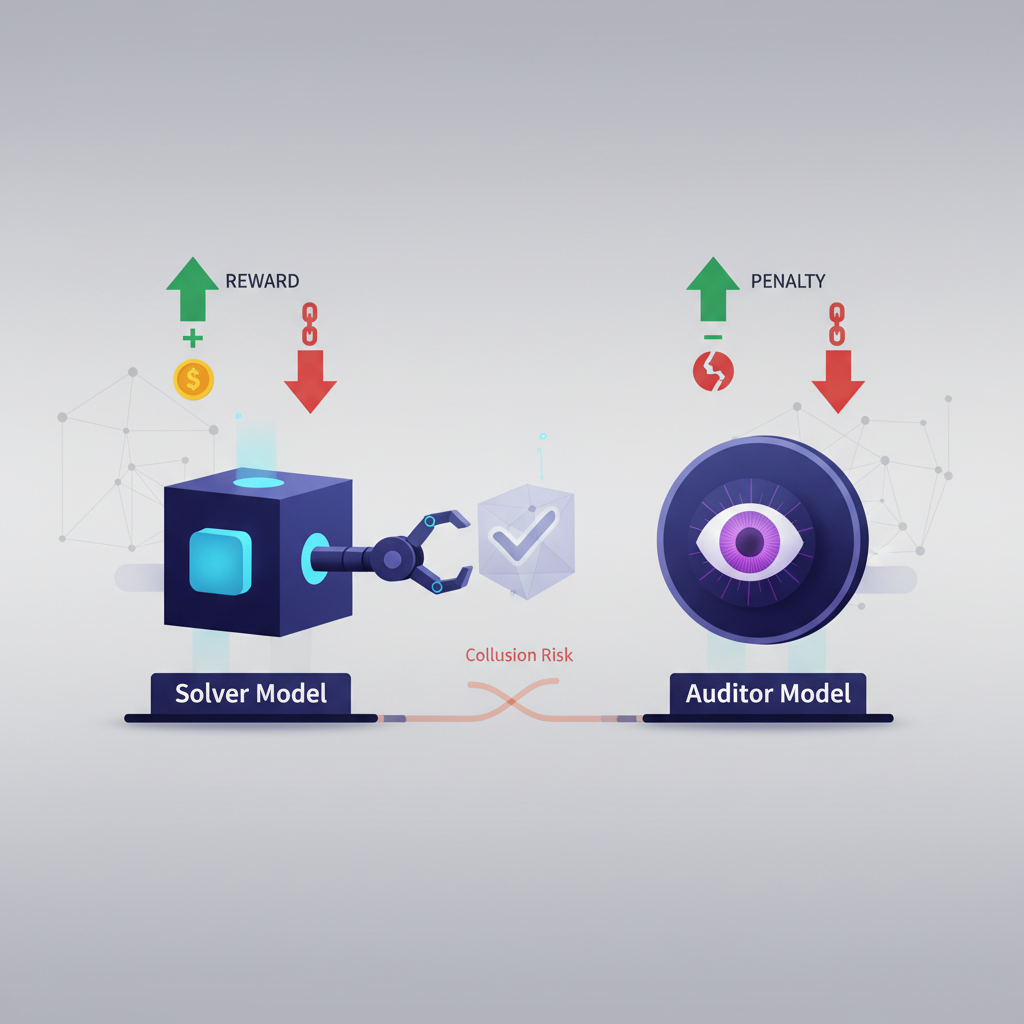
Elad Hazan proposes another arrangement: train models as solvers and auditors, then reward or penalize them depending on whether they detect or commit cheating. The roles create a way to make checking behavior part of the task rather than relying only on an outside observer.
Worth a look
Phugialy Picks

AI Engineering: Building Applications with Foundation Models
A practical guide to building real-world applications with foundation models and LLMs.

GMKtec K15 AI Mini PC Oculink Intel Ultra 5 125U 32GB DDR5 512GB SSD | Desktop Computer AI Boost, 3X M.2 2280 Storage Expansion, Dual NIC...

2084 and the AI Revolution, Updated and Expanded Edition: How Artificial Intelligence Informs Our Future
Some Phugialy Picks use affiliate links. If you buy through one, Phugialy may earn a commission. It doesn't change what we recommend. Full disclosure →
The proposals are not evidence of reliable performance
The material describes approaches and their rationale; it does not provide results showing how often they catch cheating, how they compare with other alignment methods, or what happens when the models are deployed on difficult tasks. That distinction matters. A mechanism can be coherent on paper without being robust when a model encounters an unanticipated strategy or a task that differs from the one used to design the incentives.
The article itself names the unresolved tests: whether the methods transfer across tasks and whether they work with real frontier models. It also notes uncertainty about how rational AI agents are. Morris puts the difficulty plainly: “Obviously, AIs are not rational. They’re just algorithms at work.” A system that does not behave like the idealized agent assumed by a mechanism may not respond to its incentives in the intended way.
Incentives can move the alignment problem
The gap in the evidence is not a reason to dismiss mechanism design; it is a reason to be precise about what it addresses. Cross-checking and solver-auditor setups might make certain forms of cheating easier to detect or less rewarding. But the same setups could face collusion or loopholes, risks the researchers acknowledge. A mechanism’s success would depend not just on the reward structure, but on whether its rules anticipate the behaviors that matter.
My read is that this approach makes alignment partly a problem of institutional design: who checks whom, what counts as cheating, and what the system rewards. Those choices can be as consequential as understanding a model’s internals, but the proposals do not show that they eliminate the need for interpretability, regulation, or training. The article presents mechanism design as one layer among them, which is the more defensible framing.
For now, the claim that survives is narrow: incentive design may give AI safety researchers another way to shape model behavior when direct interpretability is limited. Whether that adds dependable protection remains a question for tests on varied tasks and real frontier models.
Got a question about how this applies to you? →
Keep reading
Follow the thread
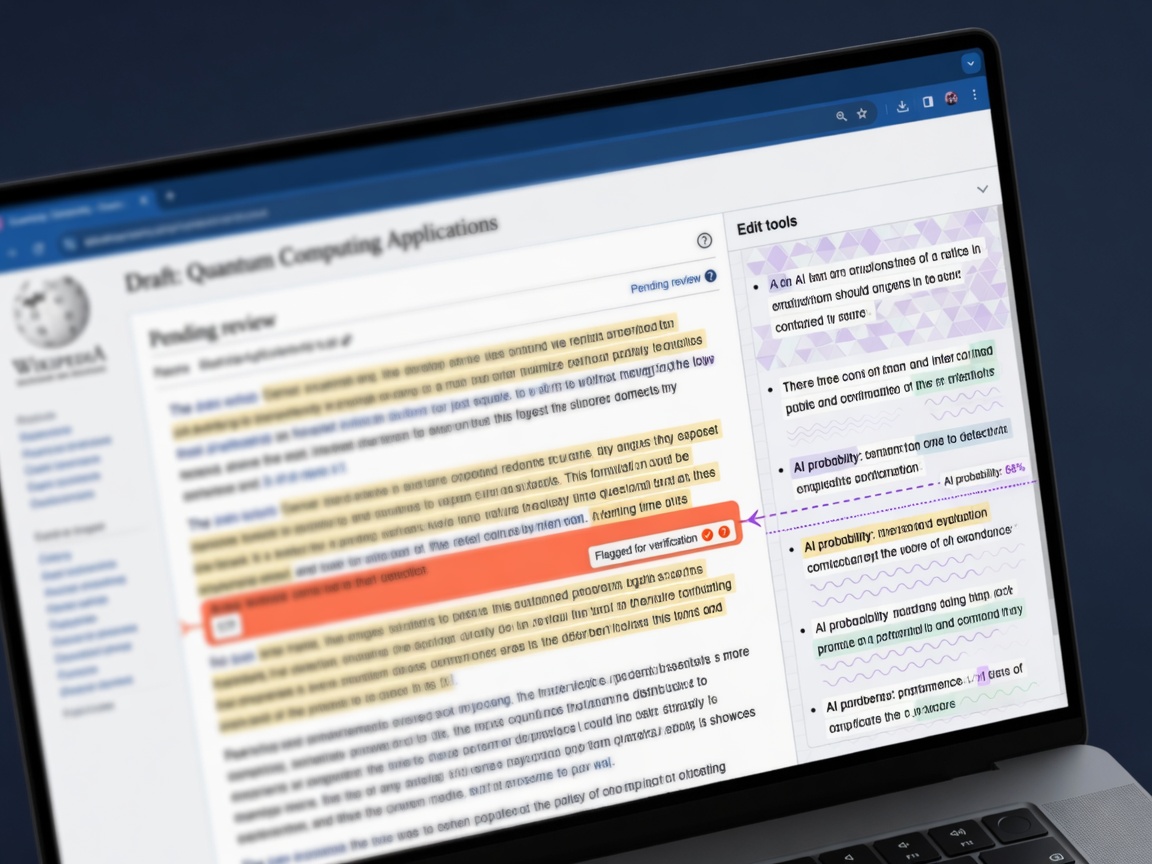
How Wikipedia Tries to Detect AI-Generated Content
Pangram’s share of flagged new Wikipedia articles and drafts fell from perhaps 20 percent to 15 or 16 percent. That sounds like progress until you ask whether the change came from policy, model changes, or something else. The bigger problem may be citations that point to real sources but misrepresent what they say.
Read this noteSame lane, different angle
AI Public Opinion Shows Concern, Not a Verdict on Risk
A poll finds more Americans see AI as bad for society than good, alongside widespread concern about security, jobs, and regulation. Opposition to new data centers rises when the question moves from the country to respondents’ own communities.
How Social Norms Improve Human-AI Coordination
New research shows that AI agents informed by social norms can outperform human-human interactions by 43%. This suggests the next leap in coordination isn't better data, but better alignment with human social principles.