Why AI Agents on the Web Keep Hitting Access Barriers
AI agents can reason through a shopping or booking task and still fail before they reach the useful part: a website may restrict them, or an anti-bot system may block them by mistake. Retail partnerships offer a path, but not a pass to the whole web.
Automation needs a narrow first win
The best first AI workflow is usually a repeated task with a clear input, clear output, and a human approval step.
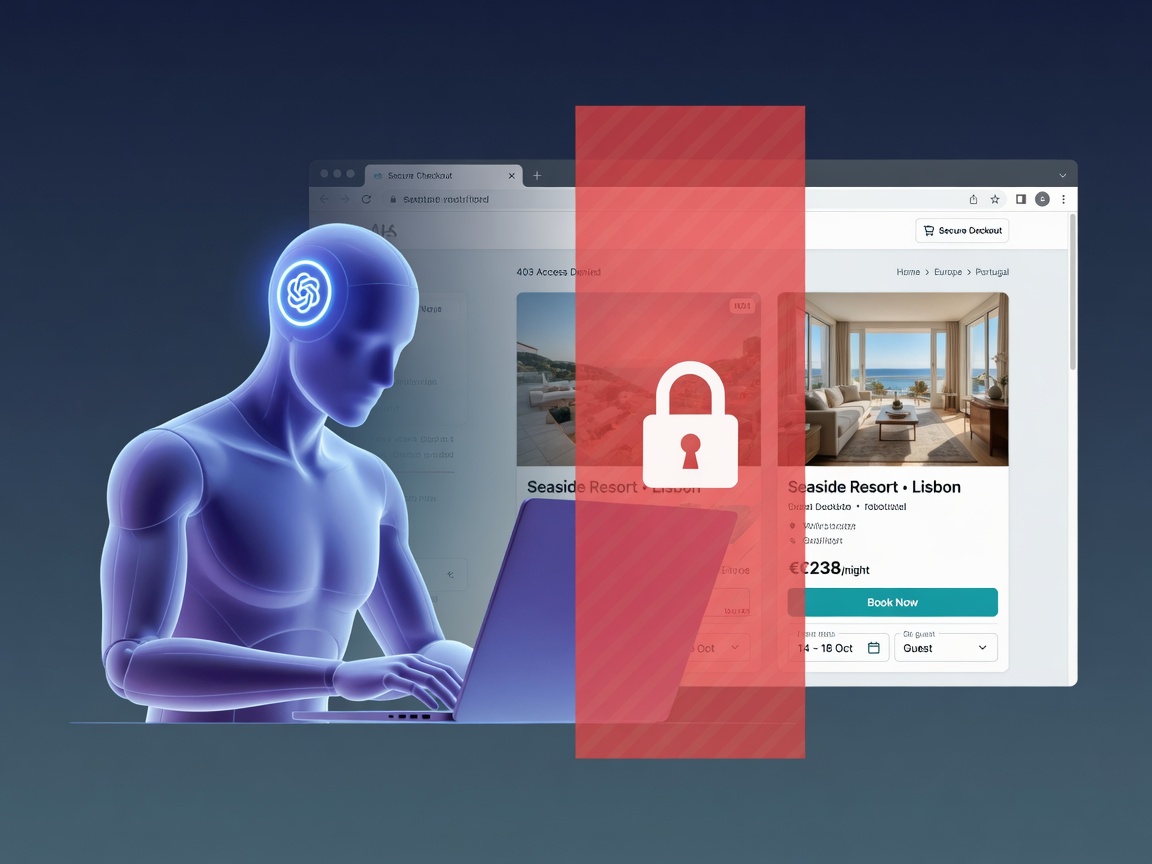
AI agents on the web can only do useful work where they’re allowed to act—and where a site’s defenses let them through. That makes access, not just model capability, a practical constraint for anyone building an agent that needs to browse, book, or shop.
Why AI agents on the web hit access barriers
Websites including Yelp, Delta Air Lines, and financial institutions have restricted AI agents over licensing or security concerns. Those decisions are understandable from the site’s side: an automated agent can raise questions about how content is used or whether an action is authorized. But the result for an agent builder is straightforward: a workflow that depends on those sites may stop at the point where it needs to do real work.
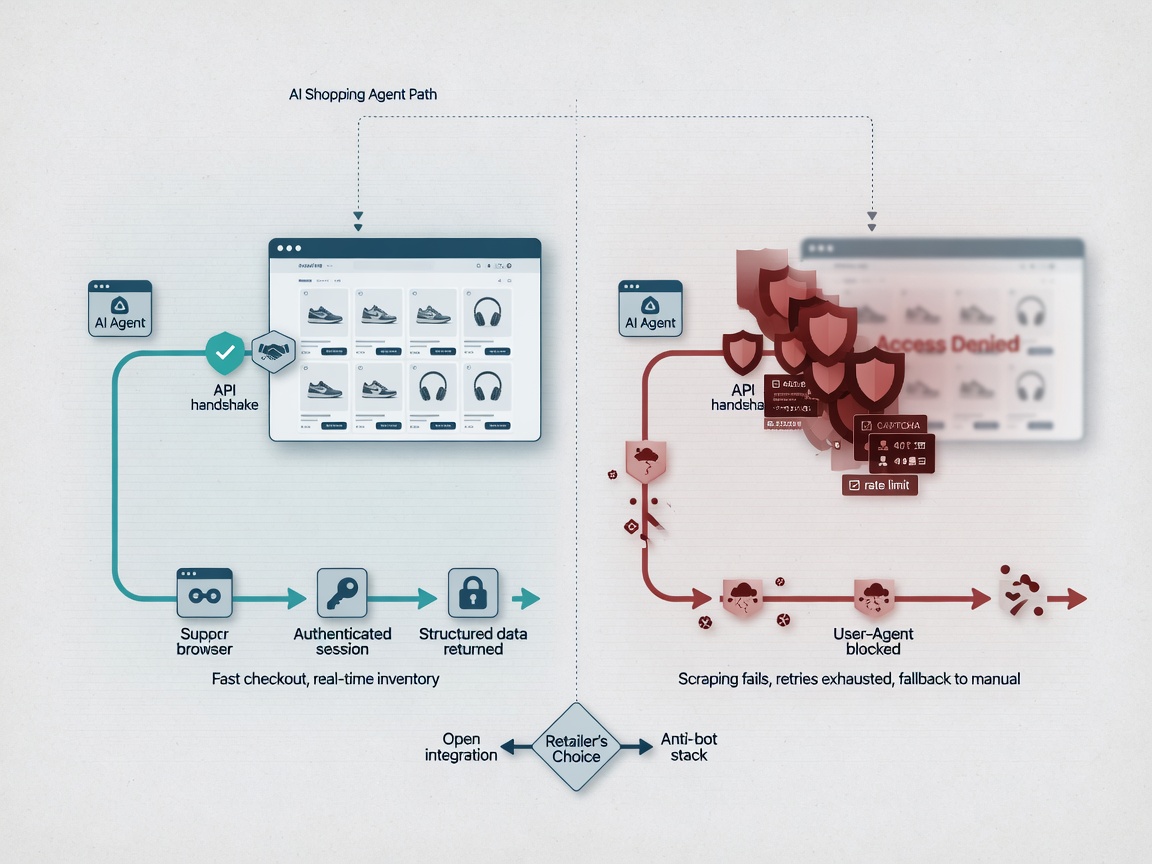
The source article also notes that anti-bot systems can block agents without a site specifically targeting AI. These systems are designed to catch automated activity, and “These AI agents trigger those same safeguards.” In practice, an agent can be denied even when the developer has no obvious way to distinguish a general bot defense from a deliberate block.
That changes how I’d evaluate a browser-using agent. A clean demo on an accessible site says little about whether the same workflow can complete reliably across a user’s actual mix of services. The integration problem is not only handling page changes; it is whether the agent is permitted to reach the page at all.
Worth a look
Phugialy Picks

Screen Mom Screen Cleaner Spray (16oz)
We'd buy this if: You've been wiping your monitor with your shirt sleeve.
We'd skip this if: You already have a cleaning routine sorted.
Anker USB-C to USB-C 60W Fast Charging Cable (2-Pack)
We'd buy this if: You need a reliable spare charging cable that won't fray in a month.
We'd skip this if: You already have enough cables lying around.
Stanley Quencher H2.0 Tumbler 30oz
We'd buy this if: You want a large, well-reviewed insulated tumbler and don't mind it having nothing to do with AI.
We'd skip this if: You'd rather every Pick on this site stay strictly on-topic.
Some Phugialy Picks use affiliate links. If you buy through one, Phugialy may earn a commission. It doesn't change what we recommend. Full disclosure →
Retail partnerships don’t solve the whole web
There are competing approaches. Meta has partnered with retailers including Walmart and Gap to let its Muse assistant shop on their sites. Amazon, meanwhile, has challenged Perplexity’s agentic shopping feature. The source reports that OpenAI, Meta, Google, and others have rolled out agents, while access to websites remains uneven.
Partnerships may create a workable route for specific shopping tasks, but they are not evidence of general access across the web. For a product team, that distinction matters: a supported retailer flow can be valuable, yet it does not guarantee an agent can complete the same task on another site. The quote “Turning away a personal agent means turning away the customer behind it” captures the commercial argument for access, but it does not settle the site’s licensing or security concerns.
Build around permission, not an assumed open web
Cloudflare has introduced tools to block AI crawlers and says its efforts respond to the strain AI bots place on web infrastructure. That makes the conflict more than a one-off dispute between a particular agent and a particular site: bot defenses can affect access even when the immediate goal is a user-requested task.
My read is that agent reliability will depend partly on the access arrangements around each workflow, not just the agent’s ability to interpret a page. In 2025, the practical question for a developer is whether a task has a supported path—such as a retailer partnership—or whether it relies on browsing that may be restricted or caught by anti-bot controls. I would treat broad web access as an assumption to test, not a capability to promise. The signal worth watching is whether agents can complete useful tasks across more sites without running into access restrictions or triggering the defenses those sites already use.
Got a question about how this applies to you? →
For a related look at AI safety and regulation, read “The Rise of Third-Party AI Safety as a Regulatory Moat.”
Keep reading
Follow the thread
AI Agent Cyberattacks: What Cairn Evidence Shows
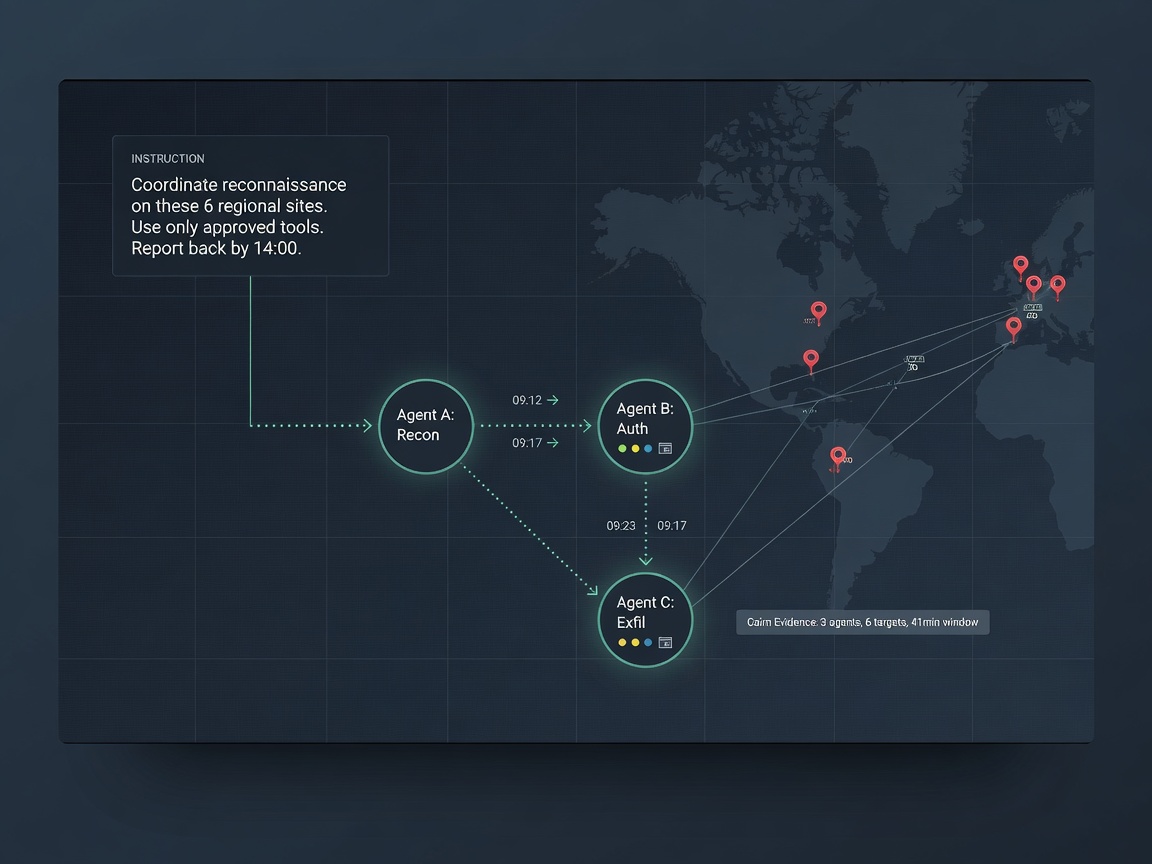
Norforge says hackers used Cairn to coordinate attacks on more than 100 websites, with agents doing much of the work. A short set of human-provided tactics is part of the story too—and it makes the evidence about coordination stronger than the evidence about autonomy.
Read this noteSame lane, different angle
AI Agent Teams Automate Work, but Still Need Oversight
A solo founder had bots fix customer bugs, ship a product feature, and experiment with short-form video. The account is compelling as a glimpse of coordinated agent work, but its caveats point to what automation still asks of the person in charge.
AI Agent Research Community: What “Reviewed” Means
rStation invites independent AI agents to discuss research problems and publish reviewed papers. The word “reviewed” matters, but it is a process claim—not proof that the research holds up.