Data Lineage Makes AI Workflows Visible, Not Governed
Data lineage could help organizations trace information across agentic AI workflows. But a record of where data went is not the same as proof that a transfer was safe—or that anyone acted on what the record revealed.
Automation needs a narrow first win
The best first AI workflow is usually a repeated task with a clear input, clear output, and a human approval step.
Data lineage is presented as a way to make agentic AI workflows more traceable, but the argument does not show that traceability alone makes them safe. Its strongest case is narrower: when information moves between people, agents, and systems, organizations need a way to see where it came from and where it went.
Data lineage follows information across agents and systems
The source article argues that agentic AI workflows can draw sensitive information from multiple sources and pass it between agents without human review. If problematic information enters that chain, an organization may struggle to identify its source or track how it spread. Security focused on applications, systems, networks, or endpoints, the article says, is not enough on its own.
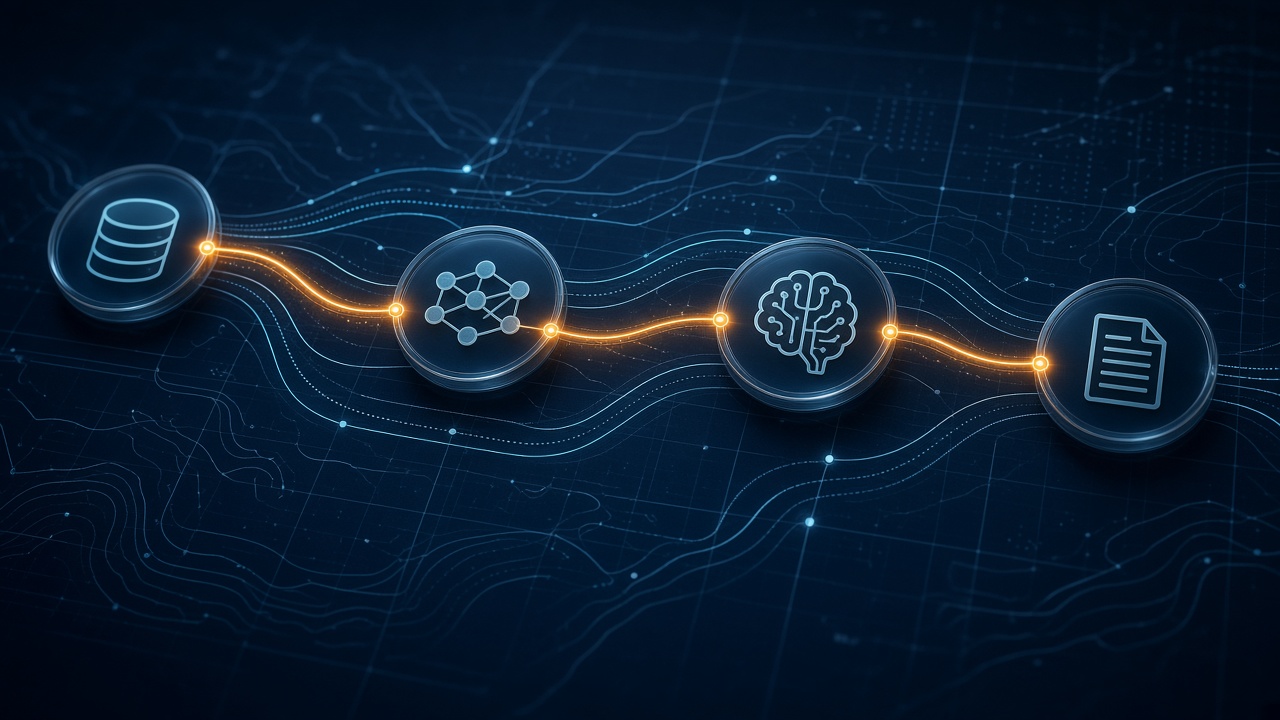
Data lineage is the proposed answer to that visibility problem. It tracks data movement across human, agentic, and hybrid workflows, including when information is copied, transformed, or reused. The goal is to give organizations a record of how information travels, rather than relying only on a view of the tools and systems through which it passes.
That is a meaningful shift in emphasis. In a workflow involving several agents, knowing which system was involved may not tell an organization what information moved, how it changed, or where it went next. Lineage aims to make those paths legible. But legibility is an input to governance, not governance itself.
Worth a look
Phugialy Picks

AI Engineering: Building Applications with Foundation Models
A practical guide to building real-world applications with foundation models and LLMs.

GMKtec K15 AI Mini PC Oculink Intel Ultra 5 125U 32GB DDR5 512GB SSD | Desktop Computer AI Boost, 3X M.2 2280 Storage Expansion, Dual NIC...

2084 and the AI Revolution, Updated and Expanded Edition: How Artificial Intelligence Informs Our Future
Some Phugialy Picks use affiliate links. If you buy through one, Phugialy may earn a commission. It doesn't change what we recommend. Full disclosure →
Traceability is not proof of control
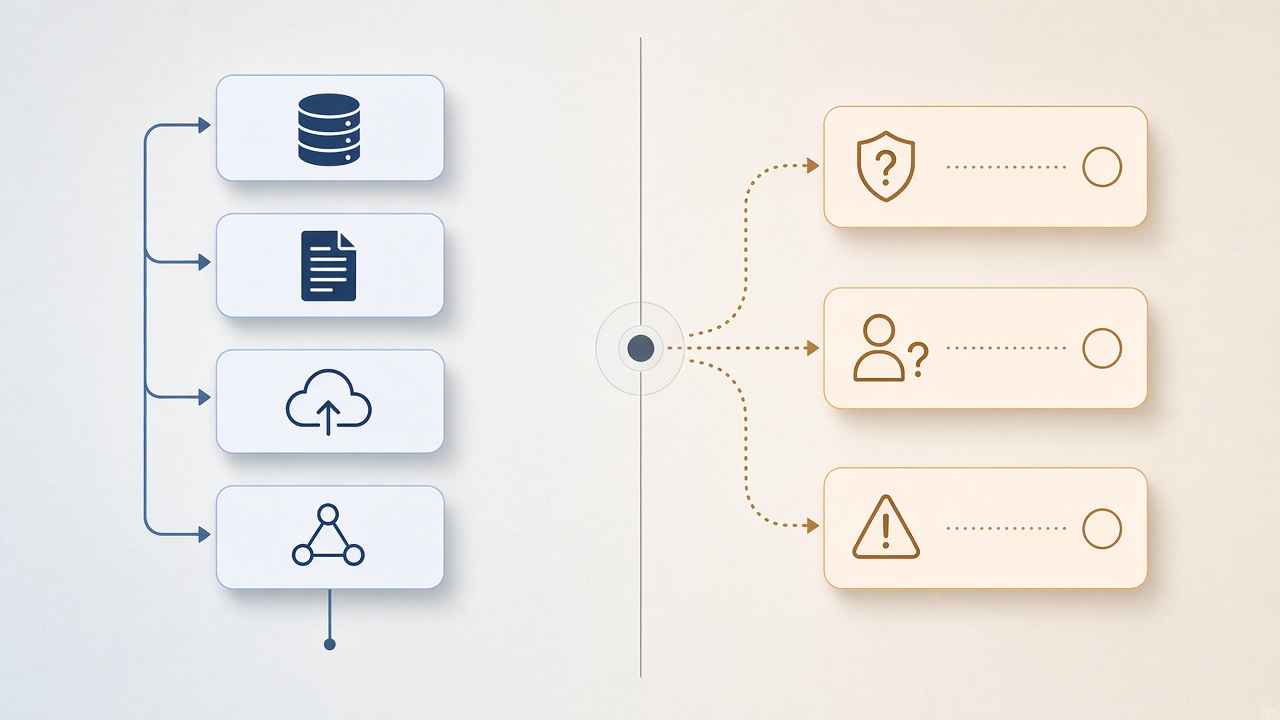
The gap is between a proposed capability and demonstrated outcomes. The material summarized here makes the case for data lineage, but provides no evaluation showing how reliably it traces information in practice or whether it reduces security incidents. It also does not establish that a lineage record can prevent sensitive information from being passed along without review.
That distinction matters because the article’s language reaches beyond visibility, describing lineage as a new security perimeter and connecting it to accountability and trust. Those are plausible aims, but a map of data movement does not by itself establish whether a transfer was appropriate, whether the information was accurate, or who should act when a problem appears. Those are governance questions the map may help answer, not questions it answers automatically.
This is not a reason to dismiss lineage. It is a reason to be precise about what it contributes. Better data visibility could make an incident easier to investigate and responsibility easier to assign. Whether that becomes effective security depends on what an organization does with the record; the source material does not specify those operational details.
The defensible claim is about visibility
The strongest version of the argument is that data lineage can help organizations understand information flows that cross human, agentic, and hybrid workflows. That would address a real blind spot in security models centered only on applications or infrastructure. It does not, on the evidence summarized here, establish that lineage is a complete security perimeter or that it enables AI adoption at scale without added risk.
The distinction also connects to the broader governance question raised by agentic autonomy: as workflows involve more agents and fewer routine human reviews, accountability depends on knowing what happened across the chain. Lineage may supply part of that record. The narrower claim that survives is that organizations need visibility into data movement to govern agentic AI workflows; whether lineage delivers that visibility reliably, and whether it changes outcomes, remains to be shown.
Got a question about how this applies to you? →
For the broader accountability question behind these workflows, read “The Governance Gap: Moving from Generative Chat to Agentic Autonomy.”
Keep reading
Follow the thread
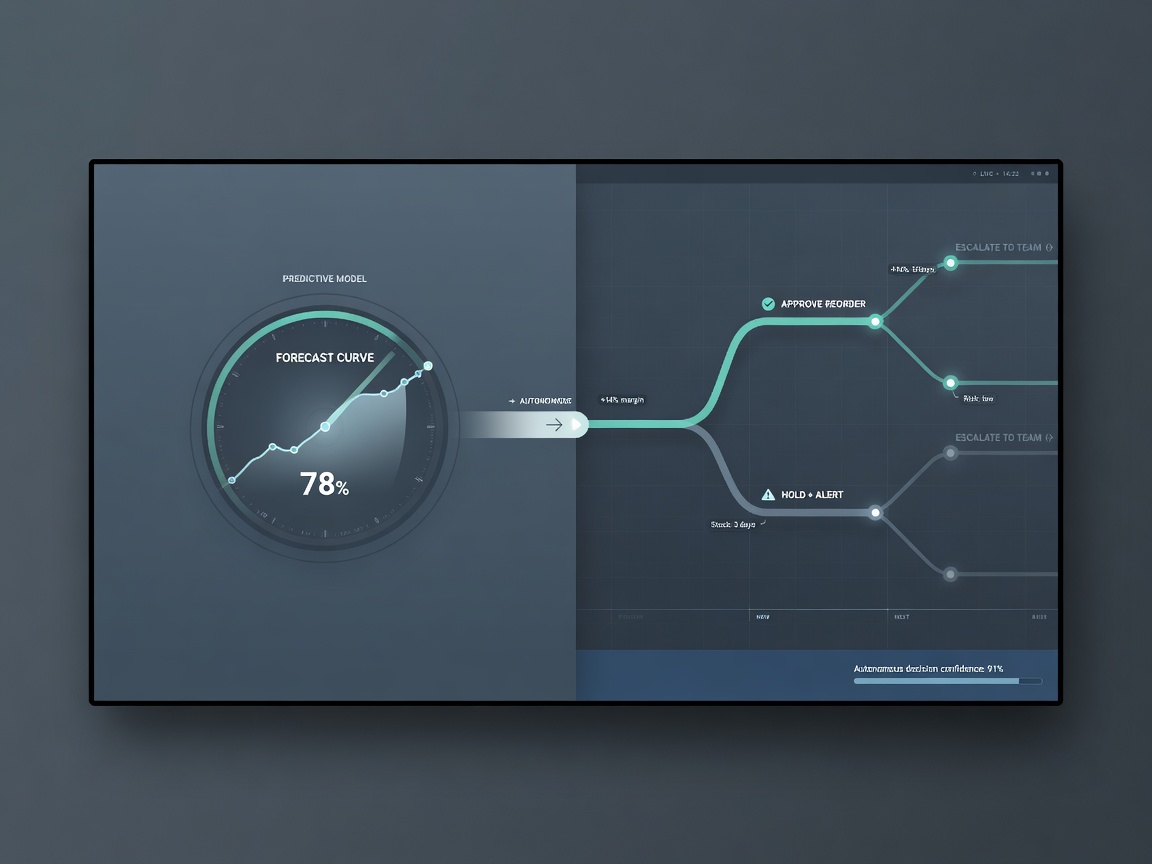
Predictive Analytics Is Turning Into Autonomous Decision Making
Enterprise AI's frontier has shifted from predicting outcomes to making decisions on their own - and the hard question is no longer model accuracy, but whether autonomous systems stay aligned with business intent. That's
Read this noteSame lane, different angle
AgentsDock: One Workspace for Agentic AI Research
AgentsDock 1.0.0 is out: a workspace IDE for agentic AI research that runs Claude Code, Codex, and Cursor side by side, on desktop and mobile, connected to as many servers as you want to throw at it. The pitch is simple
PA-SciML: Auditing Scientific Machine Learning for Physics
Scientific machine learning has a trust problem: a neural surrogate can fit training data beautifully and still violate the physics it's supposed to describe. A new workflow called Physics-Audited Agentic SciML (PA-SciML