AI Data Center Readiness Is Becoming a Neocloud Filter
Nvidia is signaling support for AI data centers only when they are nearly ready to operate. That changes the practical question for neoclouds: how much of the land, power, and building work is already real?
Automation needs a narrow first win
The best first AI workflow is usually a repeated task with a clear input, clear output, and a human approval step.
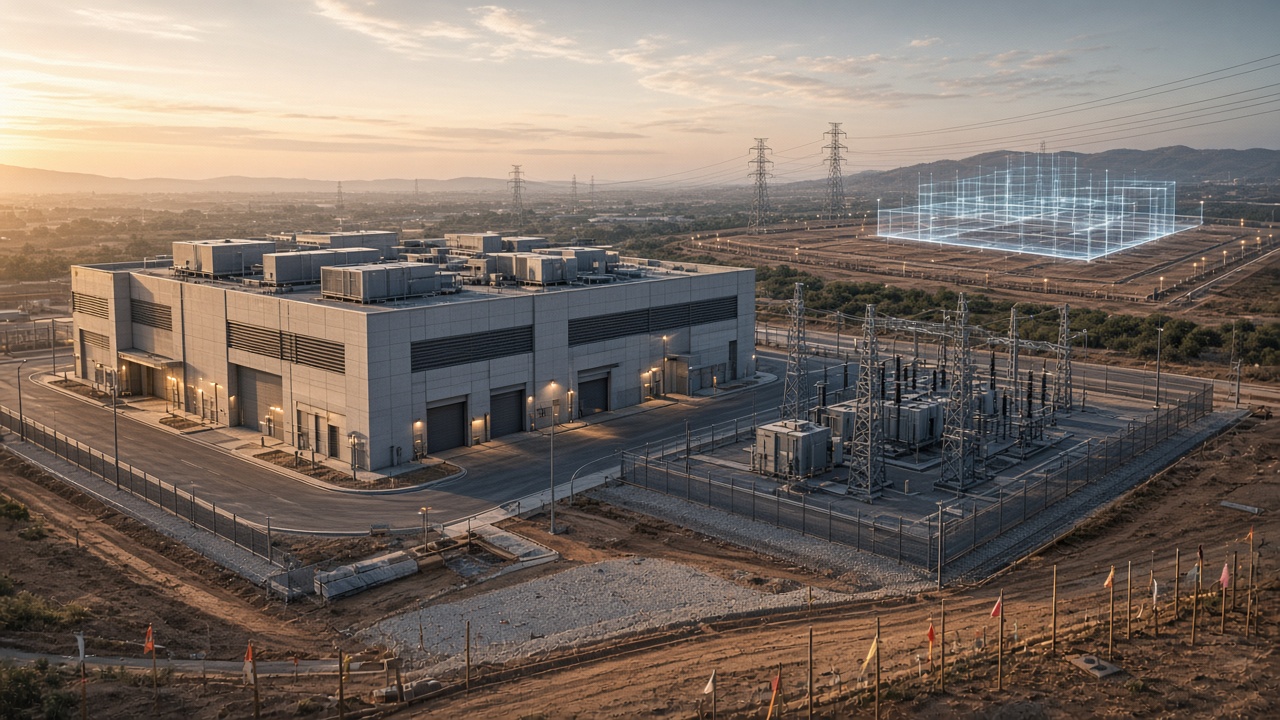
AI data center readiness is becoming a filter for which projects look credible: Nvidia is signaling that it will backstop a facility only when it is nearly ready to operate. For neoclouds facing construction delays and more expensive debt, a proposal on paper may not be enough to attract support.
AI data center readiness starts with land, power, and a shell
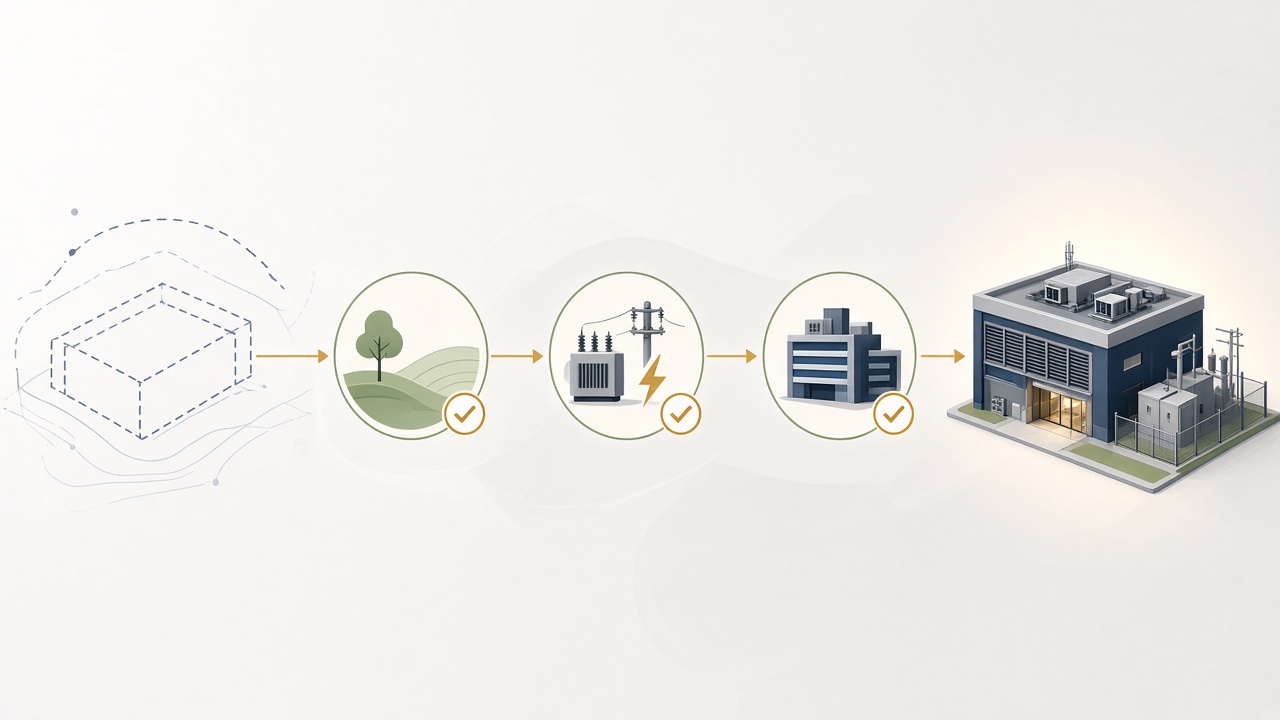
On TechCrunch’s Equity podcast, Anita Verma-Lallian points to secured land, available power, and a completed building—the “land, power, shell” threshold—as important advantages. Projects that have those pieces in place may be better positioned than speculative proposals. Nvidia’s signal reinforces the distinction between announcing capacity and having a facility close to operation.
For anyone planning infrastructure around AI workloads, that distinction matters more than a clean project diagram. My read is that the scarce asset here is not simply a plan to add capacity; it is a project that has already cleared some of the physical and local hurdles. That does not make a nearly ready site risk-free, but it narrows the gap between a financing case and something customers can use.
Worth a look
Phugialy Picks

AI Engineering: Building Applications with Foundation Models
A practical guide to building real-world applications with foundation models and LLMs.

GMKtec K15 AI Mini PC Oculink Intel Ultra 5 125U 32GB DDR5 512GB SSD | Desktop Computer AI Boost, 3X M.2 2280 Storage Expansion, Dual NIC...

Agentic AI Engineering: Systems That Reason and Act Autonomously – Designing, Building, and Prompting LLM-Based Agents for Real-World Deployment
Some Phugialy Picks use affiliate links. If you buy through one, Phugialy may earn a commission. It doesn't change what we recommend. Full disclosure →
Construction delays make speculative capacity costly
The development path is getting harder in some markets. Community opposition and state-level restrictions can limit where projects are built, while construction delays and more expensive debt increase the strain on neoclouds. Utilities also need major customers to help fund the infrastructure required to deliver more power; TSMC is cited as one such customer.
If a project stalls, the costs may not stay with its developer. Lenders and customers can also bear consequences, according to the discussion. That is the practical risk for buyers: a capacity commitment is only useful if the site and power plans survive the route from proposal to operation. The source does not quantify that risk, so it is not a basis for estimating which projects will fail. It is a reason to ask how much is already secured before treating announced capacity as dependable.
A 2027 shakeout could reward ready projects
The podcast discusses a possible industry shakeout in 2027 and who might benefit, including buyers of distressed projects. AI labs and hyperscalers may also increasingly build their own data centers rather than rely on neoclouds. Those possibilities point in different directions: distressed assets could create openings for buyers, while customers building internally could reduce the pool of outside demand.
The useful takeaway is not to assume that neoclouds are finished or that every nearly ready site wins. It is to distinguish projects with secured land, power, and completed buildings from capacity that still depends on several future steps. I would treat readiness as a diligence question, not a guarantee: until a project is close to operating, its announced capacity may carry more execution risk than a buyer’s plans can tolerate. The next thing to watch is whether more AI customers commit to building their own facilities or continue relying on neocloud capacity.
Holiday picks
Black Friday: big-ticket buys
The big-ticket day: computers, screens, audio and home upgrades worth waiting for.
 Trending now
AI Hardware
Big purchaseGEEKOM IT15 AI Mini PC, Intel Ultra 9 285H(99 Tops), 32GB DDR5, 1TB SSD | The Most Powerful Workstation,Arc 140T GPU,WiFi 7,8K Business D...
View on Amazon (opens in a new tab): GEEKOM IT15 AI Mini PC, Intel Ultra 9 285H(99 Tops), 32GB DDR5, 1TB SSD | The Most Powerful Workstation,Arc 140T GPU,WiFi 7,8K Business D...Prices change daily. Check today's price on Amazon.

Home & Kitchen
eufy C28 Robot Vacuum Cleaner and Mop for pet hair, 15,000 Pa
View on Amazon (opens in a new tab): eufy C28 Robot Vacuum Cleaner and Mop for pet hair, 15,000 PaPrices change daily. Check today's price on Amazon.

Home & Kitchen
Keurig K-Elite Single Serve K-Cup Pod Coffee Maker, Brushed Silver
View on Amazon (opens in a new tab): Keurig K-Elite Single Serve K-Cup Pod Coffee Maker, Brushed SilverPrices change daily. Check today's price on Amazon.
We earn from qualifying purchases made through these links, at no extra cost to you, as an Amazon Associate and through other affiliate programs. Disclosure. See all Black Friday picks
Got a question about how this applies to you? →
For another angle on the economics behind AI infrastructure, read “NVIDIA GPU Demand Raises Questions About Who Can Pay.”
Keep reading
Follow the thread
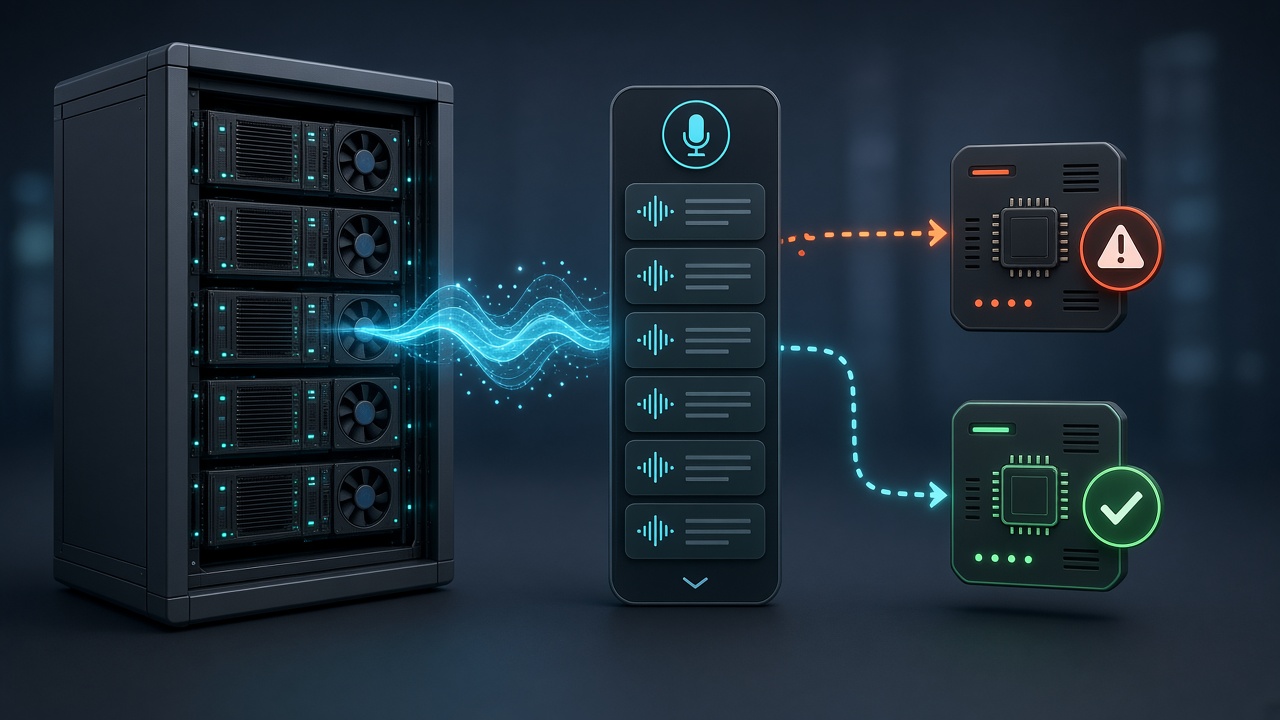
Speech-to-Text Inference Cuts Compute Costs With Spot
AssemblyAI reports 70 percent lower inference-compute costs than On-Demand pricing. The useful part to study is how Amazon SQS turns Spot interruptions into recoverable jobs—and what to measure before expecting the same savings.
Read this noteSame lane, different angle
Android AI Widgets Are Fast to Make, Hard to Customize
Google’s AI made a Jurassic Park quote widget in about 20 seconds. But when asked for a bus-arrival widget, it produced a wordy schedule response instead of the glanceable live information the tester wanted.
AI in Video Games Still Needs More Than a Prompt
A prompt can produce an explorable 3D world. That is not the same as producing a game players will choose—or a business can profitably sell. GTA VI offers a useful counterpoint: its creative process involved years of human experimentation and revision.