AI Coding Agents Make Self-Hosting Easier to Build
AI cut one self-hosting setup from an estimated week of work to half a day. The gain is real, but it does not transfer responsibility for bugs, security, or infrastructure changes to the agent.
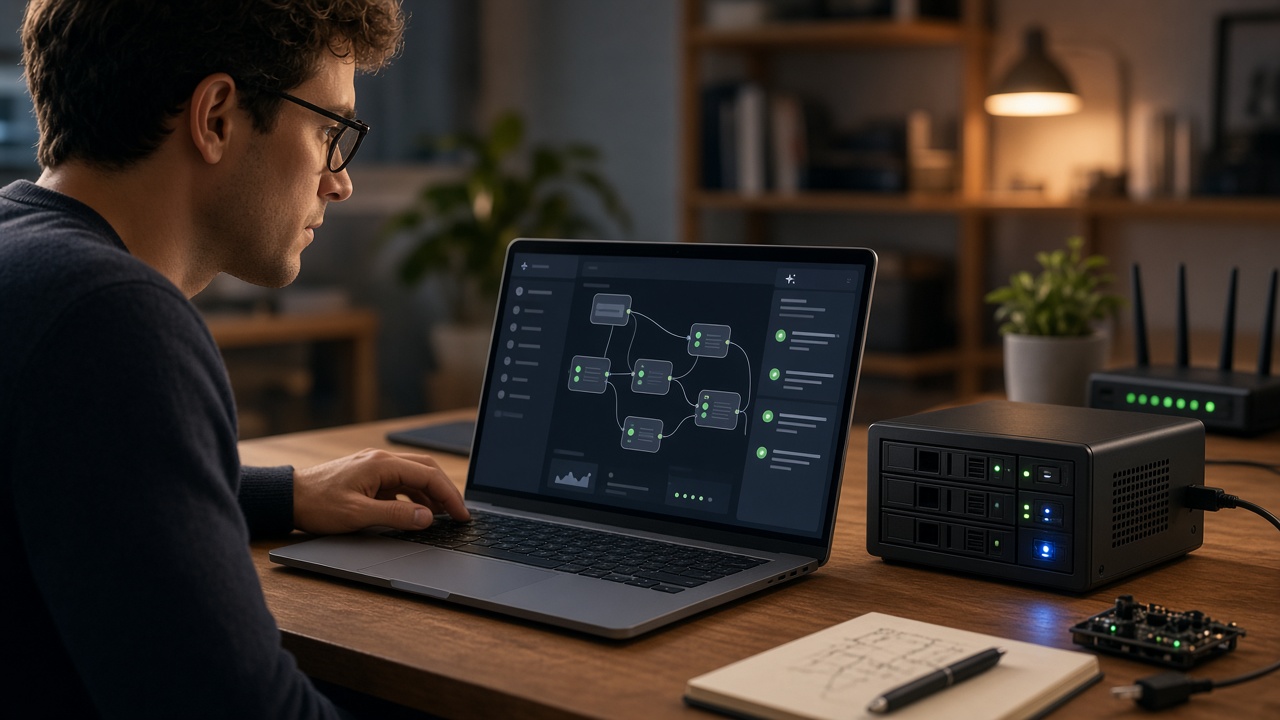
Automation needs a narrow first win
The best first AI workflow is usually a repeated task with a clear input, clear output, and a human approval step.
AI coding agents helped one self-hosting hobbyist complete an infrastructure setup in half a day; without AI, the estimate was at least a week. That gap is meaningful, but it describes less effort—not infrastructure that no longer needs to be understood or checked.
What AI coding agents change in self-hosting
The source article describes AI as a way to make infrastructure changes with less effort: configuring systems, trying unfamiliar technologies, automating deployments, and building small tools. The author says AI made experimenting with unfamiliar technologies more approachable, including using NixOS and building a Debian-based bootc image.
That is a more grounded case for AI coding agents than “the agent runs my homelab.” The value described is in getting through work that might otherwise take longer or feel too costly to attempt. A half-day setup is still a half day of work, and the comparison with at least a week is the author’s estimate of how long the same work might have taken without AI—not a general benchmark.
Worth a look
Phugialy Picks

AI Engineering: Building Applications with Foundation Models
A practical guide to building real-world applications with foundation models and LLMs.

LG 34WN80C-B UltraWide Monitor 34” 21:9 Curved WQHD (3440 x 1440) IPS Display, USB Type-C (60W PD), sRGB 99% Color Gamut, 3-Side Virtuall...

Alienware 34 Curved Gaming Monitor – AW3425DWM - 34-inch WQHD 180Hz 1ms Display, 1500R, AMD FreeSync Premium, VESA AdaptiveSync.
Some Phugialy Picks use affiliate links. If you buy through one, Phugialy may earn a commission. It doesn't change what we recommend. Full disclosure →
NixOS, bootc, and Go are useful test cases
The examples span infrastructure and small, personal software. Alongside the NixOS and bootc work, the author uses AI to help build small Go tools tailored to individual needs. That points to a useful pattern: when an off-the-shelf tool does not quite fit, a coding agent can help make a narrow utility without turning it into a major project.
My read is that the strongest fit here is not removing expertise; it is lowering the activation energy for a person who still owns the result. A custom tool for one’s own workflow can be valuable precisely because it does not need to serve everyone. But that also means its behavior may be understood only by the person who built and operates it. The source does not establish that these projects are more reliable or easier to maintain—only that AI made them more approachable to attempt.
The saved time does not cover the risk
The author is explicit that AI-generated software can contain bugs, security issues, and technical debt, and that responsibility for understanding infrastructure changes remains with the user. That caveat matters more in self-hosting than a polished example suggests: a configuration change is not just code to accept or reject; it affects systems the user is responsible for operating.
So I would treat the time saved as room for experimentation, not as time removed from review. For a personal setup, the practical question is whether you can explain the changes the agent proposes and recover from a mistake. If you cannot, faster configuration is a poor trade. If you can, AI may make a new system or a small custom tool worth trying sooner than it otherwise would be. The useful boundary is simple: let the agent reduce the effort of making a change, but keep the understanding and responsibility yourself.
Holiday picks
Black Friday: big-ticket buys
The big-ticket day: computers, screens, audio and home upgrades worth waiting for.

Audio
Mid-size buySoundcore by Anker Q20i Hybrid Active Noise Cancelling Headphones, White | Over-Ear, Bluetooth, 40H ANC Playtime, Hi-Res Audio, Big Bass,...
View on Amazon (opens in a new tab): Soundcore by Anker Q20i Hybrid Active Noise Cancelling Headphones, White | Over-Ear, Bluetooth, 40H ANC Playtime, Hi-Res Audio, Big Bass,...Prices change daily. Check today's price on Amazon.

Home & Kitchen
eufy C28 Robot Vacuum Cleaner and Mop for pet hair, 15,000 Pa
View on Amazon (opens in a new tab): eufy C28 Robot Vacuum Cleaner and Mop for pet hair, 15,000 PaPrices change daily. Check today's price on Amazon.

Home & Kitchen
Keurig K-Elite Single Serve K-Cup Pod Coffee Maker, Brushed Silver
View on Amazon (opens in a new tab): Keurig K-Elite Single Serve K-Cup Pod Coffee Maker, Brushed SilverPrices change daily. Check today's price on Amazon.
We earn from qualifying purchases made through these links, at no extra cost to you, as an Amazon Associate and through other affiliate programs. Disclosure. See all Black Friday picks
Got a question about how this applies to you? →
Keep reading
Follow the thread
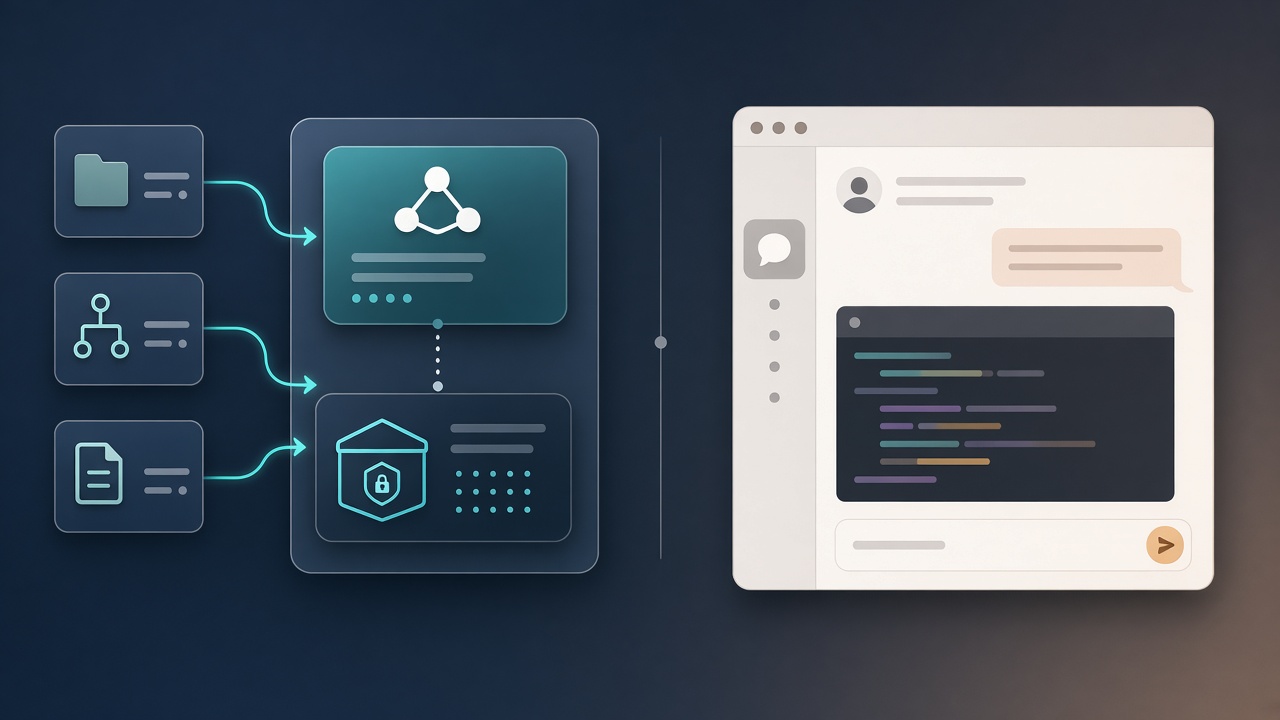
AI Coding Agents: What iFood’s Platform Actually Shows
iFood’s results make a stronger case for an internal agent service than for a particular model. Its platform has completed more than 25,000 tasks, but the most useful result is the reported improvement in security fixes—and the limits of what that proves.
Read this noteSame lane, different angle
ClawDOS AI Coding Agent Brings Claude to an 8088 PC
ClawDOS is an AI coding agent that runs on an IBM PC XT with an 8088 at 4.77 MHz, 640K of RAM, and a CGA card. It talks to Claude through the Claude Messages API, while a bridge PC handles TLS. That split is the useful e
Coding-Agent Model Evaluation Needs a Production Loop
Airbnb evaluates coding-agent models on its own engineering tasks before rolling them out, then checks whether production behavior matches the evaluation. That matters more than a leaderboard alone: the team is trying to