Coding Agents Now Handle More Everyday Development
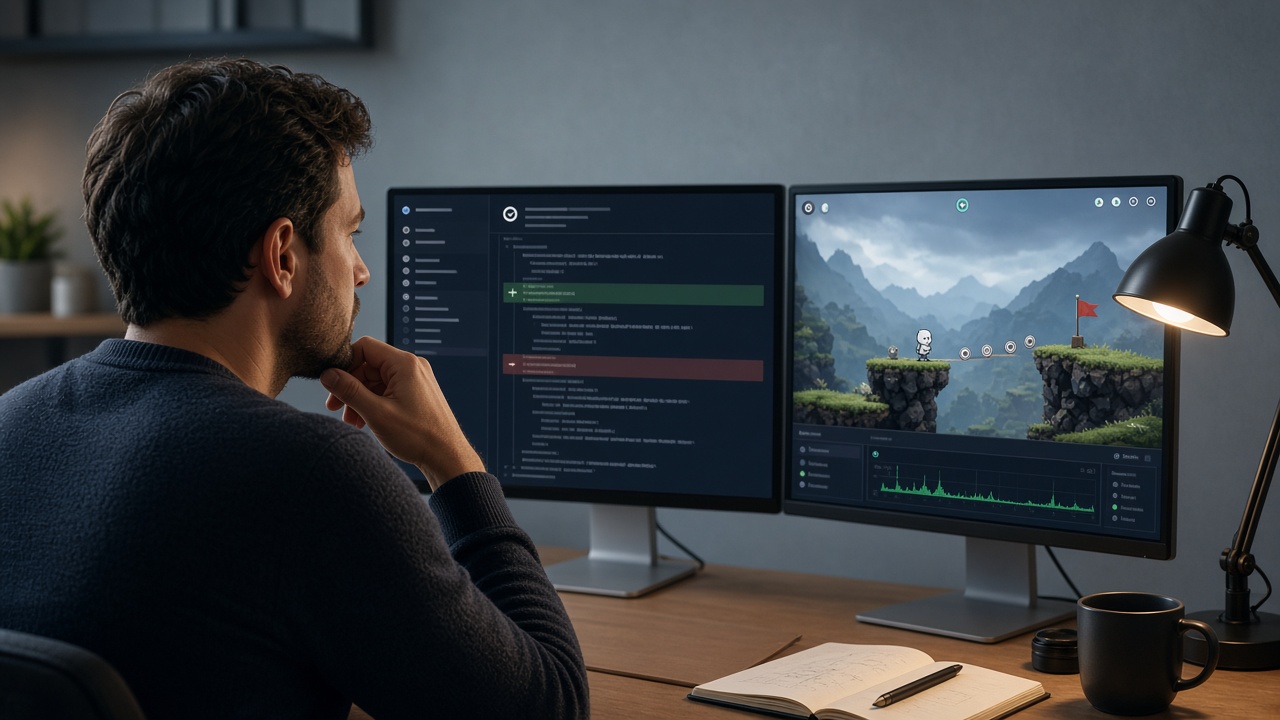
Coding agents have crossed an important threshold: one developer says newer models became reliable for many everyday coding tasks. The more interesting test is whether goal-driven models can keep improving a result when the target is subjective, as in making a game more fun.
Automation needs a narrow first win
The best first AI workflow is usually a repeated task with a clear input, clear output, and a human approval step.
Coding agents became reliably useful for many of one developer’s everyday coding tasks over the past year, with Claude Opus 4.5 and OpenAI’s GPT-5.1 models marking a practical shift. That is a more useful claim than saying agents can code: the question is whether they can take work off your plate often enough to change how you build.
Coding agents are becoming useful for everyday work
The source article describes a change in day-to-day usefulness, not a benchmark result. The author says Claude Opus 4.5 and GPT-5.1 made coding agents reliable for many of their own coding tasks. That distinction matters: it’s evidence from one developer’s work, not a guarantee that the same models will handle every repository, ticket, or team workflow well.
My read is that this is the threshold worth paying attention to. A tool does not need to autonomously ship an entire product to be valuable; it needs to complete enough bounded tasks that a developer can delegate, inspect, and move on. The source supports that kind of shift in personal practice, including the author’s view that they may never return to typing most code by hand. It does not tell us which tasks were delegated, how much review they needed, or how performance held up on messy production code. Those are the details I’d want before turning one person’s experience into a team-wide workflow.
Worth a look
Phugialy Picks

OMOTON C2 Adjustable Aluminum Phone Stand
We'd buy this if: You want your phone upright on your desk for calls/notifications without a cable getting in the way.
We'd skip this if: You never keep your phone on your desk.

Screen Mom Screen Cleaner Spray (16oz)
We'd buy this if: You've been wiping your monitor with your shirt sleeve.
We'd skip this if: You already have a cleaning routine sorted.
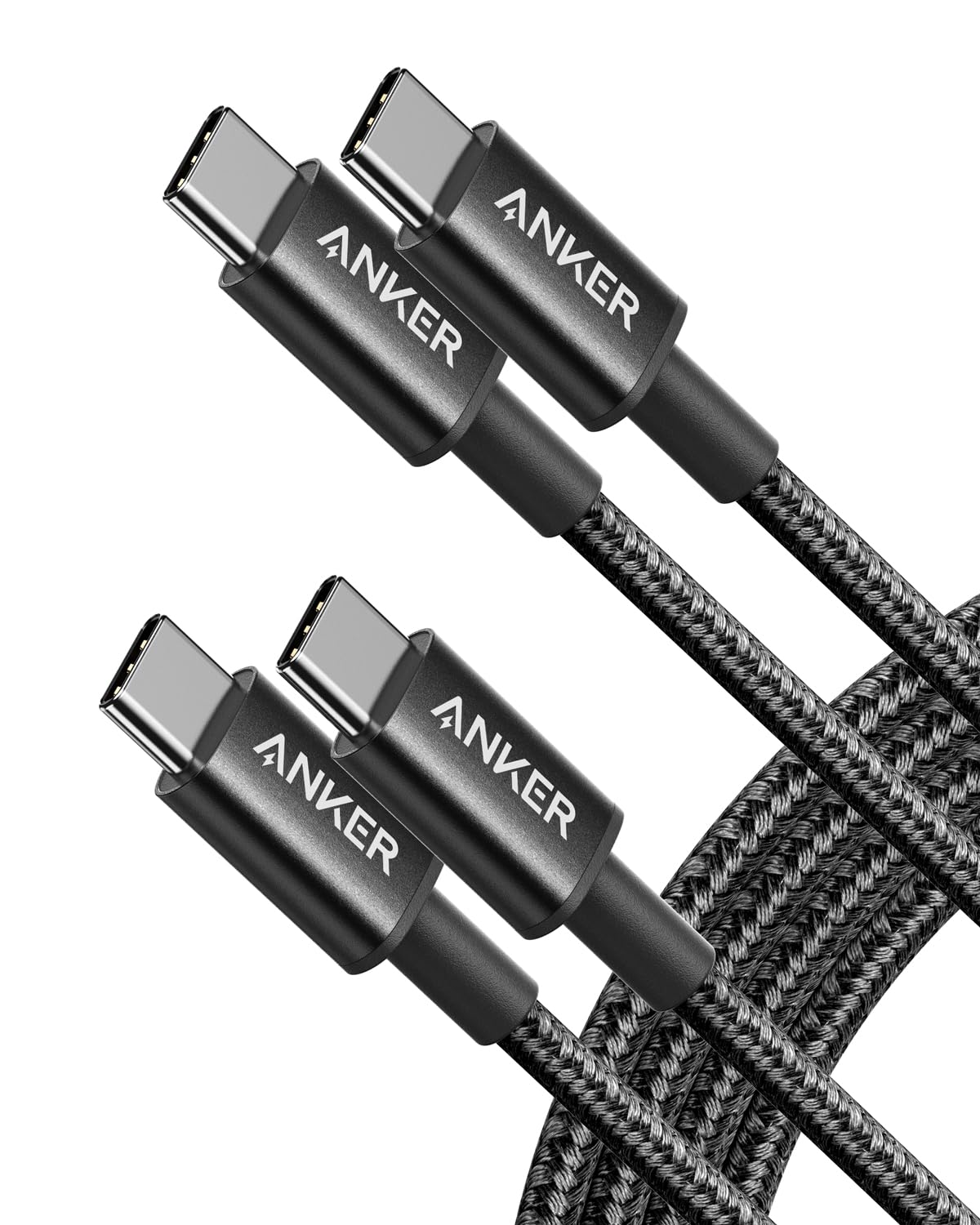
Anker USB-C to USB-C 60W Fast Charging Cable (2-Pack)
We'd buy this if: You need a reliable spare charging cable that won't fray in a month.
We'd skip this if: You already have enough cables lying around.
Some Phugialy Picks use affiliate links. If you buy through one, Phugialy may earn a commission. It doesn't change what we recommend. Full disclosure →
Tool-using models need goals, not just prompts
The article also describes Fable-class models as proactive systems: give them a goal and the right tools, and they can use those tools to pursue it. The author says they are using Fable 5.2 extensively, and suggests that software a person can imagine and clearly describe may be buildable with Fable.
That’s a bigger change than generating a function from a prompt. The model is being asked to pursue an outcome, potentially taking multiple steps along the way. In practice, my interpretation is that the quality of the goal and the boundaries around available tools become part of the interface. A vague request can produce a plausible-looking result that misses the actual need; a clear brief gives the system something concrete to work toward. The source doesn’t establish how these systems behave when requirements conflict, tools fail, or the task is underspecified, so I’d treat “can build it” as a promising direction rather than a production guarantee.
Game playtesting shows the value of iteration
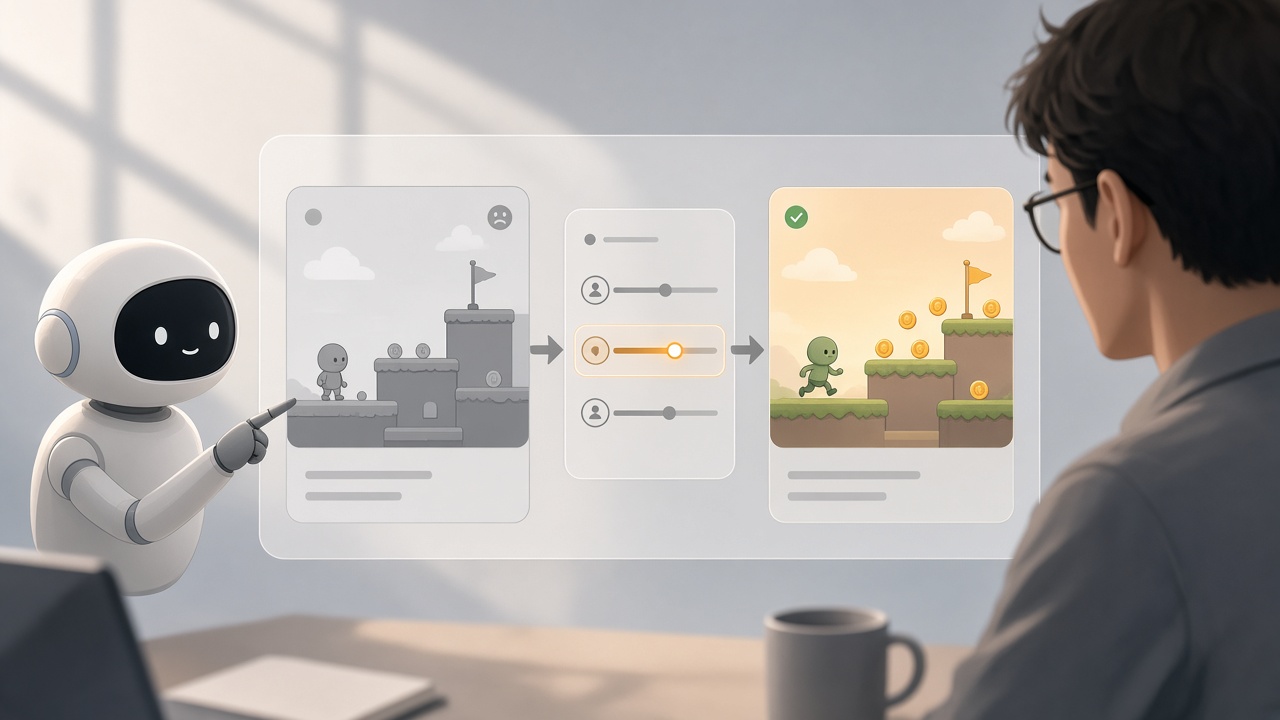
The most concrete example of that goal-directed approach is game development. The author says frontier models have improved at producing 3D models and games, and that Opus 5.5 significantly improved a game by playtesting and rebalancing it. One instruction captures the loop: “This game isn’t fun enough yet. Make it a LOT more fun.”
The useful idea isn’t that a model can make a game on demand. It’s that it can test a result and make another pass against a goal like improving fun. My interpretation: this is where agentic tools could save time in iterative work, provided a human can judge whether the changes actually improved the experience. The source gives no measurements of that improvement or account of how the game was evaluated, so I wouldn’t treat the example as proof that subjective quality is solved.
I’d try these systems first on tasks with a clear target and an easy way to check the result. The next question is whether that loop stays dependable when the brief, tools, and success criteria are less tidy than a demo.
Holiday picks
Black Friday: big-ticket buys
The big-ticket day: computers, screens, audio and home upgrades worth waiting for.
 Trending now
AI Hardware
Big purchaseGEEKOM IT15 AI Mini PC, Intel Ultra 9 285H(99 Tops), 32GB DDR5, 1TB SSD | The Most Powerful Workstation,Arc 140T GPU,WiFi 7,8K Business D...
View on Amazon (opens in a new tab): GEEKOM IT15 AI Mini PC, Intel Ultra 9 285H(99 Tops), 32GB DDR5, 1TB SSD | The Most Powerful Workstation,Arc 140T GPU,WiFi 7,8K Business D...Prices change daily. Check today's price on Amazon.

Home & Kitchen
De'Longhi Magnifica Duo Automatic Espresso Machine, Milk Frother, Silver
View on Amazon (opens in a new tab): De'Longhi Magnifica Duo Automatic Espresso Machine, Milk Frother, SilverPrices change daily. Check today's price on Amazon.

Home & Kitchen
eufy C28 Robot Vacuum Cleaner and Mop for pet hair, 15,000 Pa
View on Amazon (opens in a new tab): eufy C28 Robot Vacuum Cleaner and Mop for pet hair, 15,000 PaPrices change daily. Check today's price on Amazon.
We earn from qualifying purchases made through these links, at no extra cost to you, as an Amazon Associate and through other affiliate programs. Disclosure. See all Black Friday picks
Got a question about how this applies to you? →
For another perspective on evaluating AI-driven playtesting, see “AI Simulation Agents Still Need a Human Test Loop.”
Keep reading
Follow the thread
Declare for AI-Assisted UI Development: Early Evidence
Declare’s ticket-buying app used less code than the React version and passed more hidden checks. But the comparison is still a single-run result, not a benchmark—and that changes what you should do with it.
Read this noteSame lane, different angle
Clay’s Agent Platform Rebuild Targets Real CRM Work
Clay rebuilt Sculptor from a limited tool loop into a coding agent with access to its CLI and CRM data. The harder test now is whether its routing and workload controls hold up when providers fail and demand spikes.
AI Coding Agents: What iFood’s Platform Actually Shows
iFood’s results make a stronger case for an internal agent service than for a particular model. Its platform has completed more than 25,000 tasks, but the most useful result is the reported improvement in security fixes—and the limits of what that proves.