Postman Coding-Agent Integrations Need User Consent
Postman’s agent integrations could be convenient when you choose them. A report raises a different question: should opening an API client change what your coding agent is instructed to do by default?
Automation needs a narrow first win
The best first AI workflow is usually a repeated task with a clear input, clear output, and a human approval step.
Postman coding-agent integrations are a weaker choice than user-approved setup when they can change an agent’s default behavior without a clear decision from the user. But this report is an allegation, not a reproduced incident: it describes a sequence on macOS that has not been confirmed on a clean Mac, and it does not establish data exfiltration.
Postman coding-agent integrations cross a trust boundary
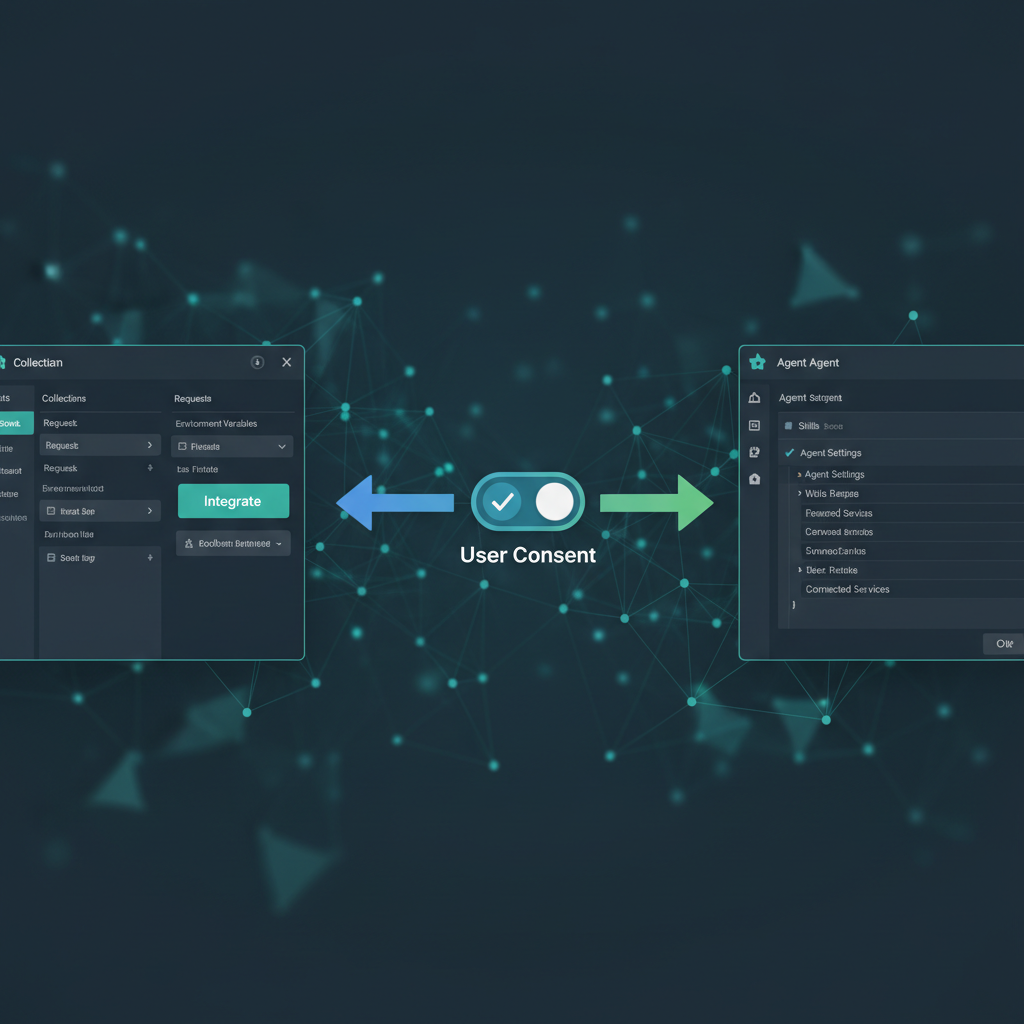
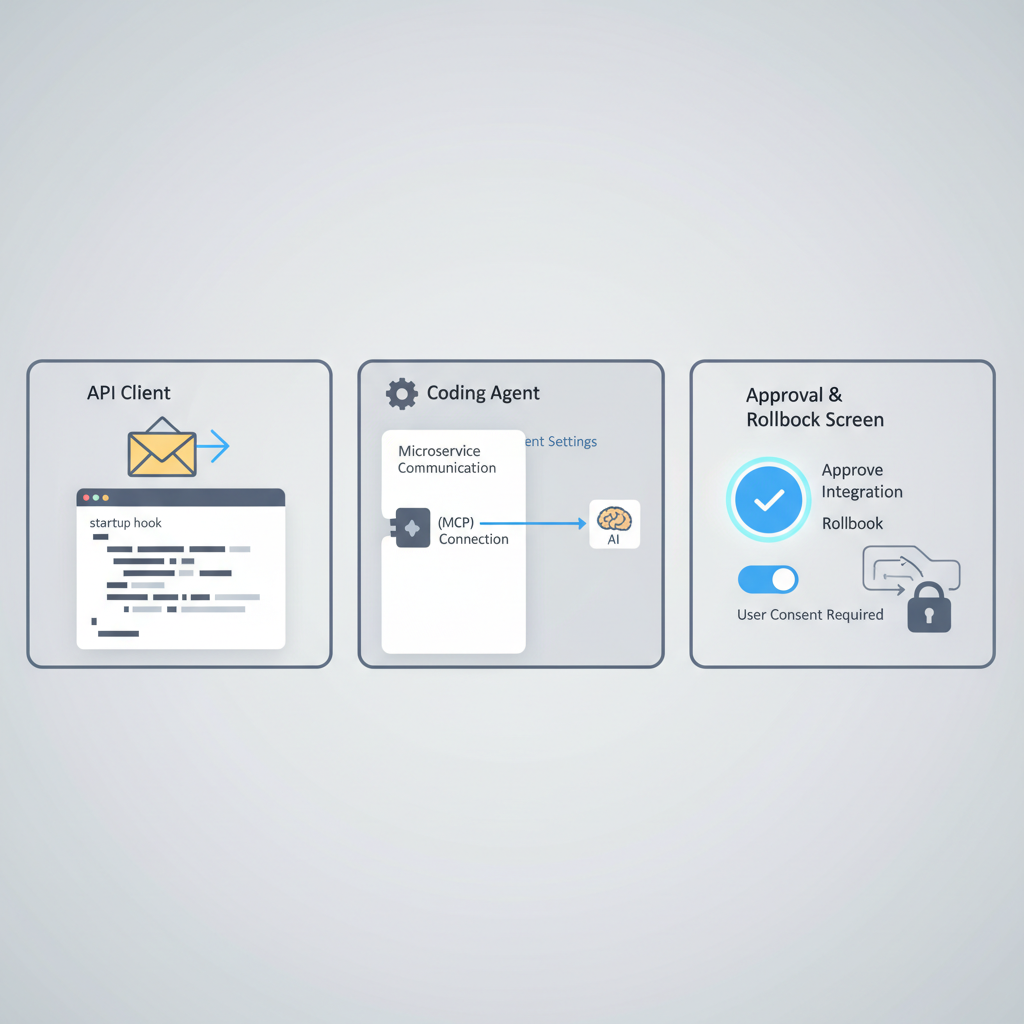
The report says that opening Postman was followed by installation or configuration of several integrations: a Codex startup hook and skill, a remote MCP connection, a Claude Code plugin, and the Postman CLI. The Codex instruction was broad: before non-trivial API engineering work, load Postman’s skill, even when the user had not specifically asked to use Postman.
That is the core concern—not simply that an integration exists, but that another tool’s behavior may be steered by an application the user opened. The report also cites installer source that attempts to approve Postman’s hook after installation. It notes that the trust record alone does not establish who created it, so the evidence should not be stretched into a claim that Postman definitively bypassed a particular approval control.
The reported versions were Postman desktop 12.33.4, Codex Postman plugin 1.1.0, and Claude plugin 2.0.1. The report says the MCP connection encountered authentication failures. Those details describe the reported state; they do not establish how often this occurs or whether the same sequence happens for other users.
Worth a look
Phugialy Picks

LG 34WN80C-B UltraWide Monitor 34” 21:9 Curved WQHD (3440 x 1440) IPS Display, USB Type-C (60W PD), sRGB 99% Color Gamut, 3-Side Virtuall...

Alienware 34 Curved Gaming Monitor – AW3425DWM - 34-inch WQHD 180Hz 1ms Display, 1500R, AMD FreeSync Premium, VESA AdaptiveSync.

LG 34WR55QK-B 34-inch UltraWide WQHD (3440 x 1440) Curved Computer Monitor, 100Hz, 5ms, HDR10, Reader Mode, HDMI, DisplayPort, USB Type-C...
Some Phugialy Picks use affiliate links. If you buy through one, Phugialy may earn a commission. It doesn't change what we recommend. Full disclosure →
Explicit opt-in matters more than the integration list
Postman integrations may be useful to someone who wants Postman’s API workflow inside a coding agent. That is different from making the integration a default for broad API work. The report’s requested remedy—explicit opt-in, user-controlled hook approval, narrower startup instructions, and a rollback path that does not reinstall the integrations—targets that distinction.
My read is that the decisive comparison is not Postman versus another API client. It is a bundled default versus a user-approved connection. A preconfigured workflow can save setup when it is wanted; the same behavior becomes a trust problem when a user cannot tell what changed, why it changed, or how to undo it. This matters even without evidence of data leaving the machine: control over which instructions an agent follows is itself consequential.
What would justify a firm verdict?
For now, this report supports taking the consent question seriously, not concluding that every Postman user experienced an unwanted installation. The author says the observed sequence has not been reproduced on a clean Mac. The report also does not establish data exfiltration, and the authentication failures are not proof of a successful connection.
If the sequence is reproducible, automatic setup without a clear user decision would be a meaningful reason to reconsider using these integrations. If it is not reproducible, or if the behavior proves to be clearly user-approved and easy to reverse, the case for switching weakens. Until those facts are clearer, I would not migrate away from Postman on this report alone; I would want confirmation of the installation path and a complete rollback that leaves integrations off unless the user enables them. A clean reproduction—and evidence that the behavior respects user-controlled approval—would change the call.
Got a question about how this applies to you? →
Keep reading
Follow the thread

Octomind’s Coding Agent Harness: What the Results Show
Octomind reports solving 24 of 25 merged-pull-request tasks, compared with 19 for OpenCode using the same model at about twice the cost. The result is worth testing, but the more useful question is whether its guardrails and interfaces hold up in your repository.
Read this noteSame lane, different angle
JavaScript Framework Benchmarks Need More Than One Run
Coding agents built the same Pokémon app across JavaScript frameworks, but the benchmark’s most useful detail may be how it handled failed runs. Most frameworks had five iterations; Angular had three after two attempts failed to produce a working app.
Sphinx: A Git Hook for AI Code Review With Questions
Sphinx is a Git hook for AI code review that pauses pushes to protected branches and asks you to explain what the diff does. The point is not just to put another approval step in front of a push: a correct answer lets it