Intel GPU D270 Brings Long-Context Inference to PCIe
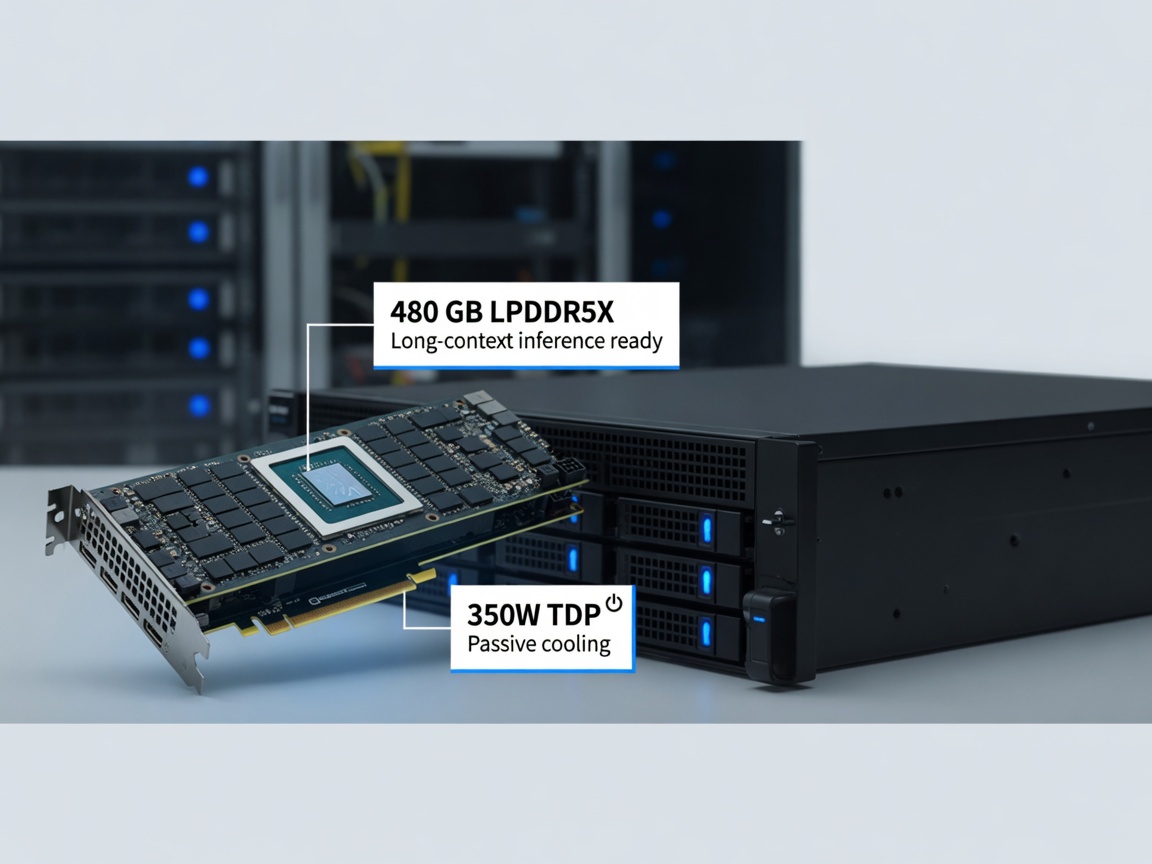
Intel’s D270 pairs up to 480 GB of LPDDR5X memory with air-cooled, 350W PCIe hardware. The interesting question is whether that capacity-first design improves real long-context serving costs, where memory capacity is only one part of the equation.
Automation needs a narrow first win
The best first AI workflow is usually a repeated task with a clear input, clear output, and a human approval step.
Intel GPU D270 is an inference-optimized data center GPU with up to 480 GB LPDDR5X memory, 32 Xe3P cores and 256 XMX engines. Intel is targeting agentic AI workloads, where long prompts and multistep workflows can make prefill and memory capacity as important as generation speed.
That is a specific hardware bet: put more of the design toward inference rather than graphics, and make the card fit standard PCIe infrastructure. The practical question is whether that combination helps with real serving workloads, not just whether the spec sheet looks generous.
Intel GPU D270 is built around long-context inference
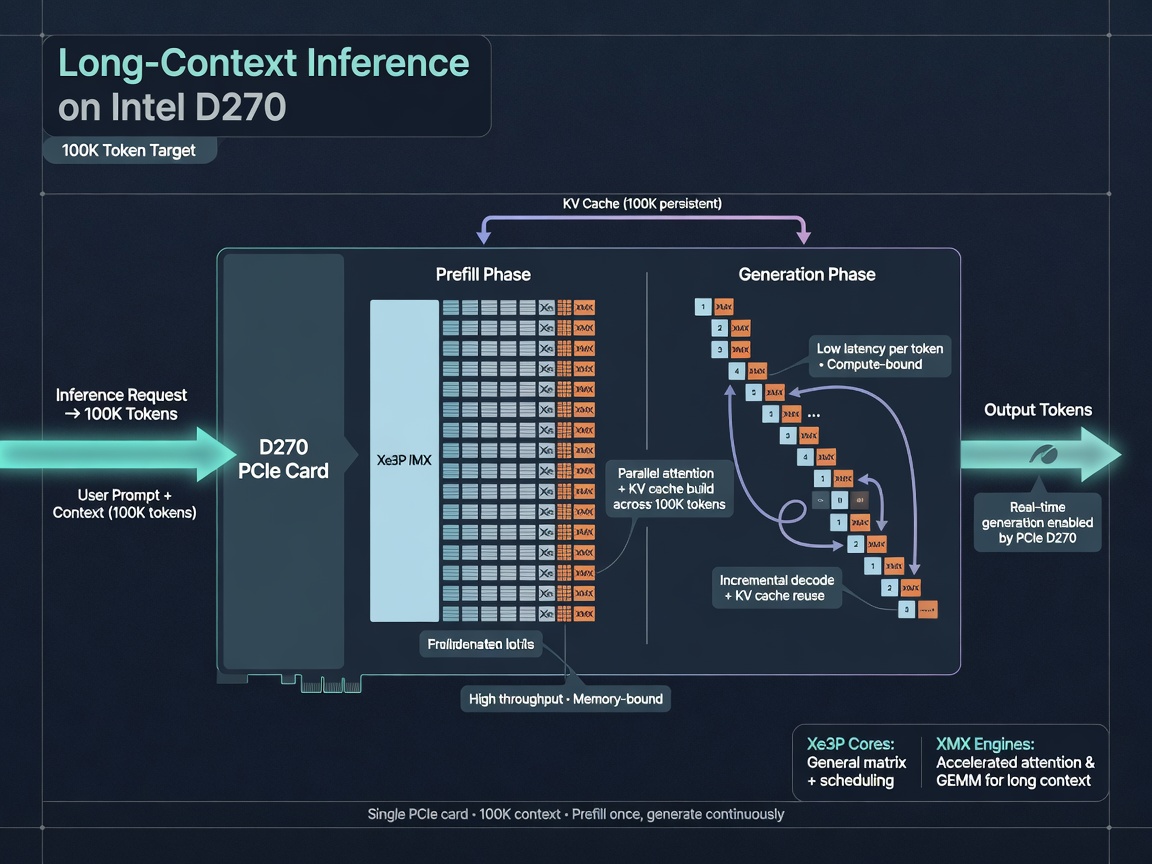
The D270 uses LPDDR5X rather than high-bandwidth memory (HBM), with up to 480 GB of capacity. Intel describes the intended use as power-efficient, memory-bound inference. Its 32 Xe3P cores and 256 XMX engines are aimed at accelerating prefill processing, the part of serving that handles incoming context. The stated target includes 100K-token contexts.
Intel also says it shifted die area away from graphics and ray-tracing pipelines toward Xe3P cores and matrix compute. That makes the product’s priorities unusually legible: this is not a general-purpose graphics card being repurposed for serving, but a design organized around inference.
My read is that the capacity-first approach is most interesting for workloads that need to keep large contexts in play. But capacity alone does not establish serving performance. The source gives no memory-bandwidth figures or workload benchmark results, so the useful comparison will be what a given model and serving stack can actually process at acceptable latency and cost.
Worth a look
Phugialy Picks

AI Engineering: Building Applications with Foundation Models
A practical guide to building real-world applications with foundation models and LLMs.

GMKtec K15 AI Mini PC Oculink Intel Ultra 5 125U 32GB DDR5 512GB SSD | Desktop Computer AI Boost, 3X M.2 2280 Storage Expansion, Dual NIC...

2084 and the AI Revolution, Updated and Expanded Edition: How Artificial Intelligence Informs Our Future
Some Phugialy Picks use affiliate links. If you buy through one, Phugialy may earn a commission. It doesn't change what we recommend. Full disclosure →
PCIe and air cooling lower the infrastructure hurdle
The D270 uses a standard PCIe 5.0 form factor and passive air cooling at 350W. Intel says it does not require a liquid-cooling retrofit or proprietary networking. That gives enterprise AI, SaaS, GPUaaS and government or sovereign-cloud operators a path to consider it within conventional data-center infrastructure.
For an operator, avoiding a cooling redesign can matter as much as adding compute: a GPU that fits existing racks and network assumptions is easier to evaluate than one that brings new facility requirements. That is an inference from the design, not proof of lower total cost. Power delivery, rack density and the actual serving workload still determine whether the deployment pencils out.
Intel frames the goal as maximizing tokens per rack and watt. That is the right operational measure to focus on, but the source does not provide a measured result for it. The benefit has to survive a full deployment calculation rather than rest on the card’s 350W figure alone.
Framework support is a starting point, not a result
Intel says the D270 supports leading open models on vLLM, PyTorch, SGLang and OpenAI Triton. That gives teams familiar frameworks to start from, but compatibility is not the same as production readiness for every model or workflow. Agentic systems can combine long context with repeated model calls; performance across that path matters more than a clean single-request demo.
Intel compares performance projections with the RTX Pro 6000, based on its internal analysis as of February 2026. Without the projection values and workload details here, that comparison is a lead to investigate, not a basis for choosing hardware. I would start by testing the models and context lengths that drive my own serving bill, then compare throughput, latency and infrastructure requirements on the actual stack.
The D270 is worth watching for teams whose inference workload is genuinely memory-bound and whose facilities favor air-cooled PCIe cards. The deciding evidence will be measured serving results on those workloads—not the headline capacity by itself.
Holiday picks
Thanksgiving: early shopping
Start early: products for hosting, travel and home, plus the gear you have been watching.

Audio
Mid-size buyJBL Tune 770NC - Wireless Over-Ear Headphones - Black | Adaptive Noise Cancelling with Smart Ambient, Bluetooth 53 with LE Audio, JBL Pur...
View on Amazon (opens in a new tab): JBL Tune 770NC - Wireless Over-Ear Headphones - Black | Adaptive Noise Cancelling with Smart Ambient, Bluetooth 53 with LE Audio, JBL Pur...Prices change daily. Check today's price on Amazon.
 Trending now
Home & Kitchen
Keurig K-Elite Single Serve K-Cup Pod Coffee Maker, Brushed Silver
View on Amazon (opens in a new tab): Keurig K-Elite Single Serve K-Cup Pod Coffee Maker, Brushed SilverPrices change daily. Check today's price on Amazon.
 Trending now
Home & Kitchen
eufy C28 Robot Vacuum Cleaner and Mop for pet hair, 15,000 Pa
View on Amazon (opens in a new tab): eufy C28 Robot Vacuum Cleaner and Mop for pet hair, 15,000 PaPrices change daily. Check today's price on Amazon.
We earn from qualifying purchases made through these links, at no extra cost to you, as an Amazon Associate and through other affiliate programs. Disclosure. See all Thanksgiving picks
Got a question about how this applies to you? →
For another angle on making large contexts usable, read “Kimi K3: The 2.8 Trillion Parameter Beast That Makes Massive Context Actually Usable.”
Keep reading
Follow the thread
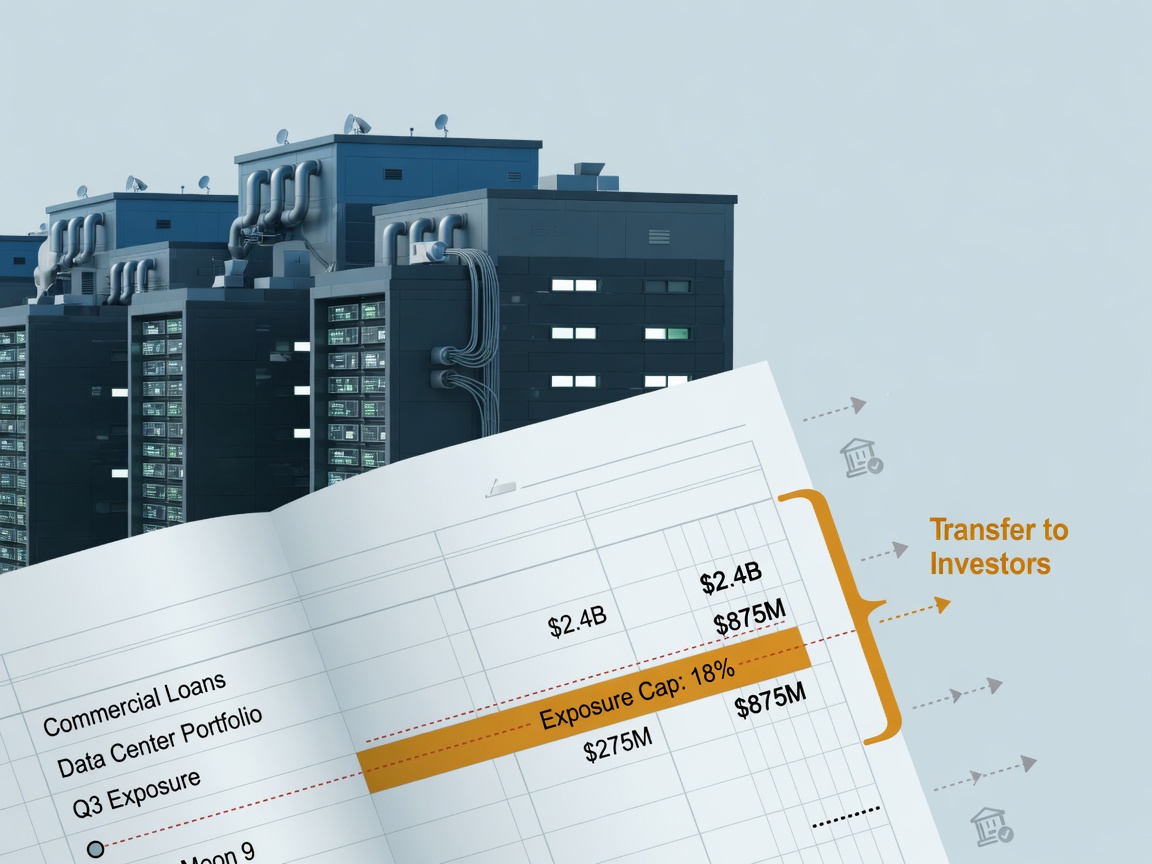
AI Data Center Financing Meets Bank Exposure Limits
Banks are seeking ways to shift risk from AI-linked loans as they approach internal limits. The signal is real, but it says more about distributing a large debt pool than about financing disappearing across the data center sector.
Read this noteSame lane, different angle
AI Chip Demand Is Shifting From Training to Inference
OpenAI restarted its frontier training run after 10 days of a planned two-week pause. That does not mean compute demand is easing: inference and custom chips may be changing where the spending goes.
Speech-to-Text Inference Cuts Compute Costs With Spot
AssemblyAI reports 70 percent lower inference-compute costs than On-Demand pricing. The useful part to study is how Amazon SQS turns Spot interruptions into recoverable jobs—and what to measure before expecting the same savings.