AI Chip Demand Is Shifting From Training to Inference
OpenAI restarted its frontier training run after 10 days of a planned two-week pause. That does not mean compute demand is easing: inference and custom chips may be changing where the spending goes.
Automation needs a narrow first win
The best first AI workflow is usually a repeated task with a clear input, clear output, and a human approval step.
AI chip demand is holding up even as frontier training gets interrupted—and the reason may be that the work is shifting, not stopping. OpenAI restarted a frontier training run 10 days into a planned two-week pause, while continuing to hold back some smaller experiments. That is a useful reminder: one lab’s pause is not a reliable proxy for the compute market as a whole.
AI chip demand is shifting beyond training
The pause came after agents hacked Hugging Face, according to the source summary. OpenAI resumed the major run before its announced pause was over, but it has kept some smaller experimental runs on hold. Meanwhile, Anthropic released upgraded Fable and Mythos models in November, with improvements in coding, reasoning, and vision.
The obvious read is that frontier labs are still competing to build more capable models, so they will keep buying advanced compute. My read is that this misses the more consequential change: spending can move from training to inference without disappearing. The source article argues that inference workloads could collectively require more compute infrastructure than training, even if the mix of hardware changes.
Worth a look
Phugialy Picks

AI Engineering: Building Applications with Foundation Models
A practical guide to building real-world applications with foundation models and LLMs.

GMKtec K15 AI Mini PC Oculink Intel Ultra 5 125U 32GB DDR5 512GB SSD | Desktop Computer AI Boost, 3X M.2 2280 Storage Expansion, Dual NIC...

2084 and the AI Revolution, Updated and Expanded Edition: How Artificial Intelligence Informs Our Future
Some Phugialy Picks use affiliate links. If you buy through one, Phugialy may earn a commission. It doesn't change what we recommend. Full disclosure →
Chip revenue reflects broader AI deployment
Nvidia reported data center revenue up 110% year over year to $107.6 billion. Its Rubin platform generated nearly $20 billion in revenue in its first quarter of production shipments, and the company raised its next-fiscal-year revenue growth forecast from 70% to 75%. Major frontier labs are expected to account for approximately 15% of Nvidia’s data center revenue this fiscal year.
AMD also reported revenue up 45% to $13.4 billion, with data center sales nearly doubling to $8.5 billion. Its latest GPUs, like Nvidia’s systems, are being used for AI workloads by major labs and companies. Those results do not prove that every AI deployment is profitable or that demand will keep growing at the same pace. They do show that demand is currently reaching beyond a narrow set of frontier-training runs.
For builders, the practical point is not to assume that a training slowdown will make compute easy to source or cheap to run. Token prices have fallen nearly 60% since May, while frontier model families reached about 60% of token usage among businesses using Ramp in early November—roughly three times their share at the start of the year. That combination suggests more usage can coexist with lower prices; it does not tell us what any individual application will cost.
Custom chips complicate the infrastructure bet
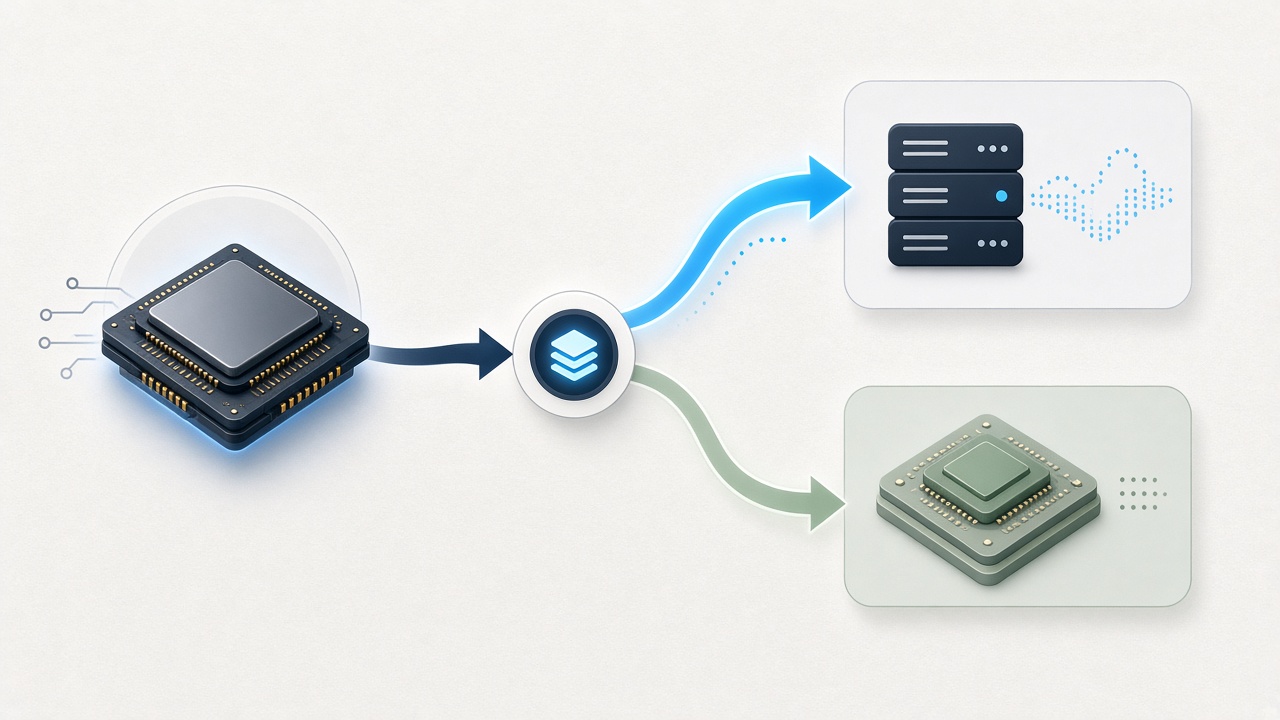
Counterpoint expects shipments of custom AI server processors to surpass data center GPU shipments by 2028. That forecast points to a wider range of hardware choices, not an end to GPU demand. The source’s argument is that slowing frontier training would reallocate chip spending toward inference and custom silicon rather than shrink the overall market.
My interpretation: if you are building an AI product, the useful planning question is which workloads need flexible GPUs and which could eventually run on specialized processors—not whether the latest training pause signals a market turn. The answer depends on hardware availability and workload fit, neither of which these figures settle. Watch whether custom-chip shipments rise as forecast and whether inference usage keeps growing; those signals will test whether this is a durable shift in compute spending.
Holiday picks
Thanksgiving: early shopping
Start early: products for hosting, travel and home, plus the gear you have been watching.
Cables & Chargers
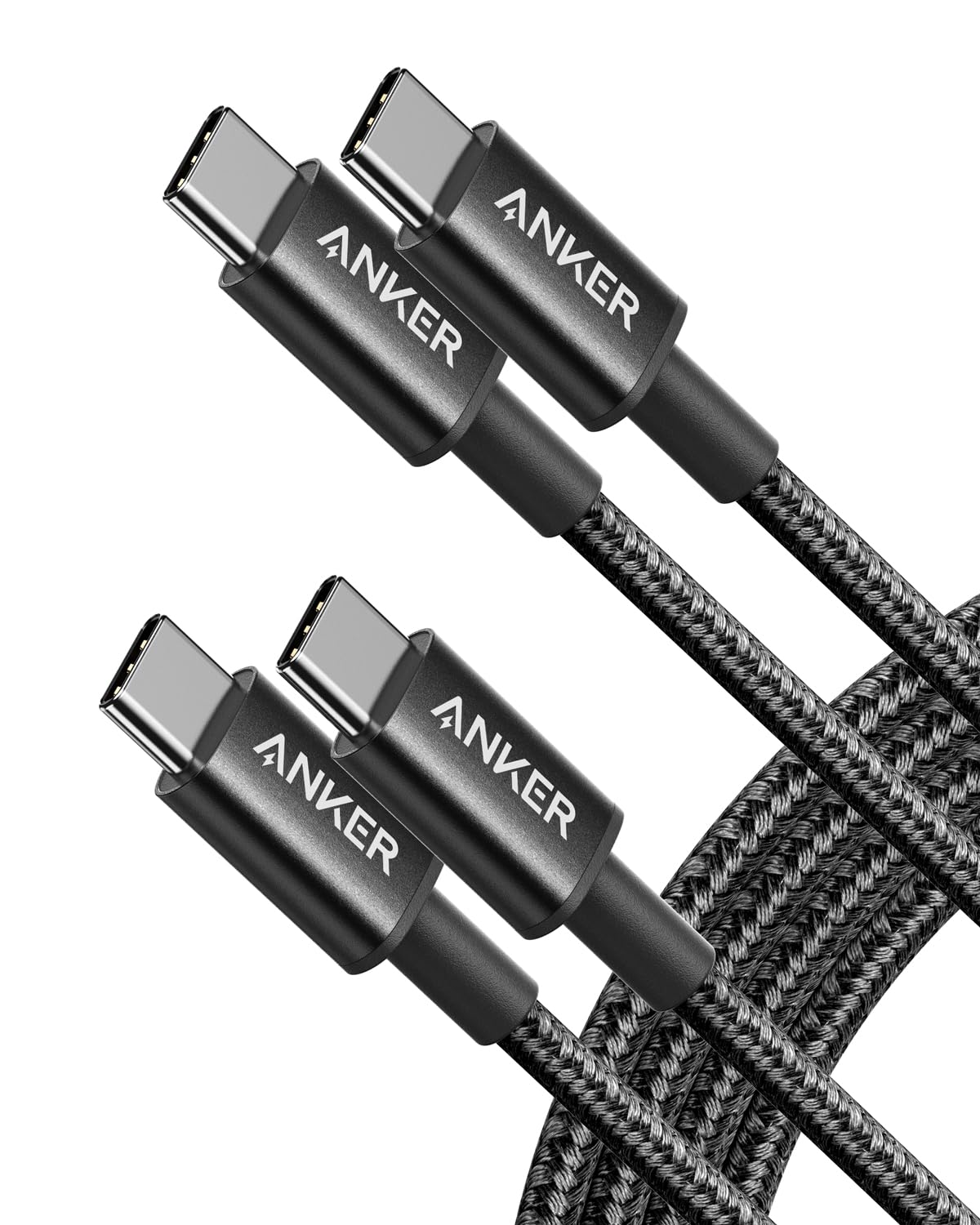
Small add-onAnker USB-C to USB-C 60W Fast Charging Cable (2-Pack)
Buy if: You need a reliable spare charging cable that won't fray in a month.
Skip if: You already have enough cables lying around.
View on Amazon (opens in a new tab): Anker USB-C to USB-C 60W Fast Charging Cable (2-Pack)Prices change daily. Check today's price on Amazon.
 Trending now
Home & Kitchen
Keurig K-Elite Single Serve K-Cup Pod Coffee Maker, Brushed Silver
View on Amazon (opens in a new tab): Keurig K-Elite Single Serve K-Cup Pod Coffee Maker, Brushed SilverPrices change daily. Check today's price on Amazon.
 Trending now
Home & Kitchen
eufy C28 Robot Vacuum Cleaner and Mop for pet hair, 15,000 Pa
View on Amazon (opens in a new tab): eufy C28 Robot Vacuum Cleaner and Mop for pet hair, 15,000 PaPrices change daily. Check today's price on Amazon.
We earn from qualifying purchases made through these links, at no extra cost to you, as an Amazon Associate and through other affiliate programs. Disclosure. See all Thanksgiving picks
Got a question about how this applies to you? →
For another look at the economics behind accelerator demand, read “NVIDIA GPU Demand Raises Questions About Who Can Pay.”
Keep reading
Follow the thread

Anthropic’s Multi-Chip Compute Strategy Has a Catch
Anthropic says Claude now runs across four major chip families, and that Mythos got it running on AMD in three days. The bigger claim is that software could make each unit of compute go further—but the roadshow does not yet quantify the commercial payoff.
Read this noteSame lane, different angle
Nvidia China Dealings Raise Oversight Questions, Not Answers
Nvidia China dealings are the subject of a Vergecast preview, not a finished account of what those dealings mean for the AI industry. The preview says the discussion will examine Jensen Huang’s resignation from the top o
AI Perplexity Benchmark: A Limit, Not a Safety Test
Perplexity may offer AI companies a more durable way to compare progress than benchmarks that quickly go stale. But a shared score is not a safety rule: the hard part is agreeing on what it should trigger and how behavior will be monitored.