ClawDOS AI Coding Agent Brings Claude to an 8088 PC
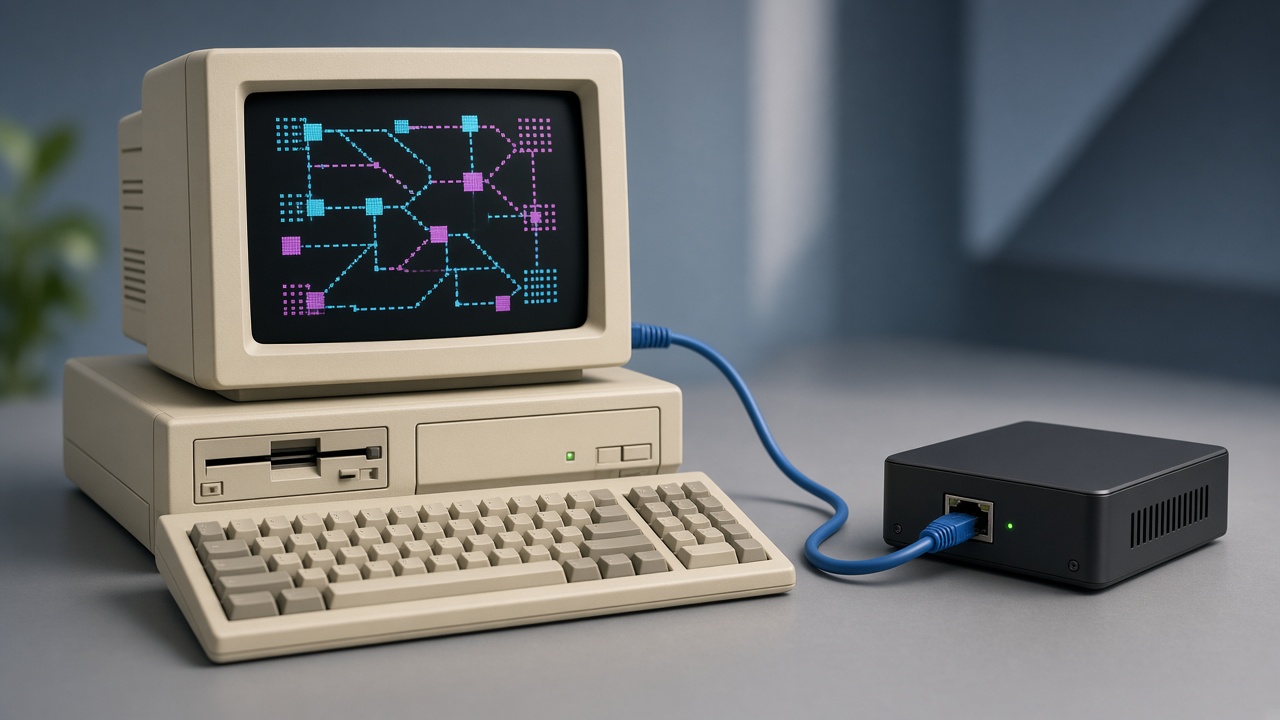
ClawDOS is an AI coding agent that runs on an IBM PC XT with an 8088 at 4.77 MHz, 640K of RAM, and a CGA card. It talks to Claude through the Claude Messages API, while a bridge PC handles TLS. That split is the useful e
Automation needs a narrow first win
The best first AI workflow is usually a repeated task with a clear input, clear output, and a human approval step.
ClawDOS is an AI coding agent that runs on an IBM PC XT with an 8088 at 4.77 MHz, 640K of RAM, and a CGA card. It talks to Claude through the Claude Messages API, while a bridge PC handles TLS. That split is the useful engineering detail: the DOS machine runs the harness, but networking is delegated to another computer.
What the ClawDOS AI coding agent can do on DOS
ClawDOS can read and edit files, write code, compile it with tools available on the machine—including Turbo C—and run the resulting programs. It can also inspect CGA screenshots, save memories, and resume previous conversations. The harness exposes eighteen tools, and HARNESS.EXE is a 176 KB DOS program.
That adds up to more than asking a model to emit source code for a retro machine. The agent can work through a loop: change a file, compile and run the program, then inspect what appeared on screen. My read is that this feedback loop is the project’s strongest practical feature. For someone building or maintaining DOS software, seeing the result on the target environment is more useful than a code-generation demo alone. The source doesn’t establish how well it handles complicated projects or messy inputs, though; the supported claim is that this workflow exists.
Worth a look
Phugialy Picks

OMOTON C2 Adjustable Aluminum Phone Stand
We'd buy this if: You want your phone upright on your desk for calls/notifications without a cable getting in the way.
We'd skip this if: You never keep your phone on your desk.

Screen Mom Screen Cleaner Spray (16oz)
We'd buy this if: You've been wiping your monitor with your shirt sleeve.
We'd skip this if: You already have a cleaning routine sorted.
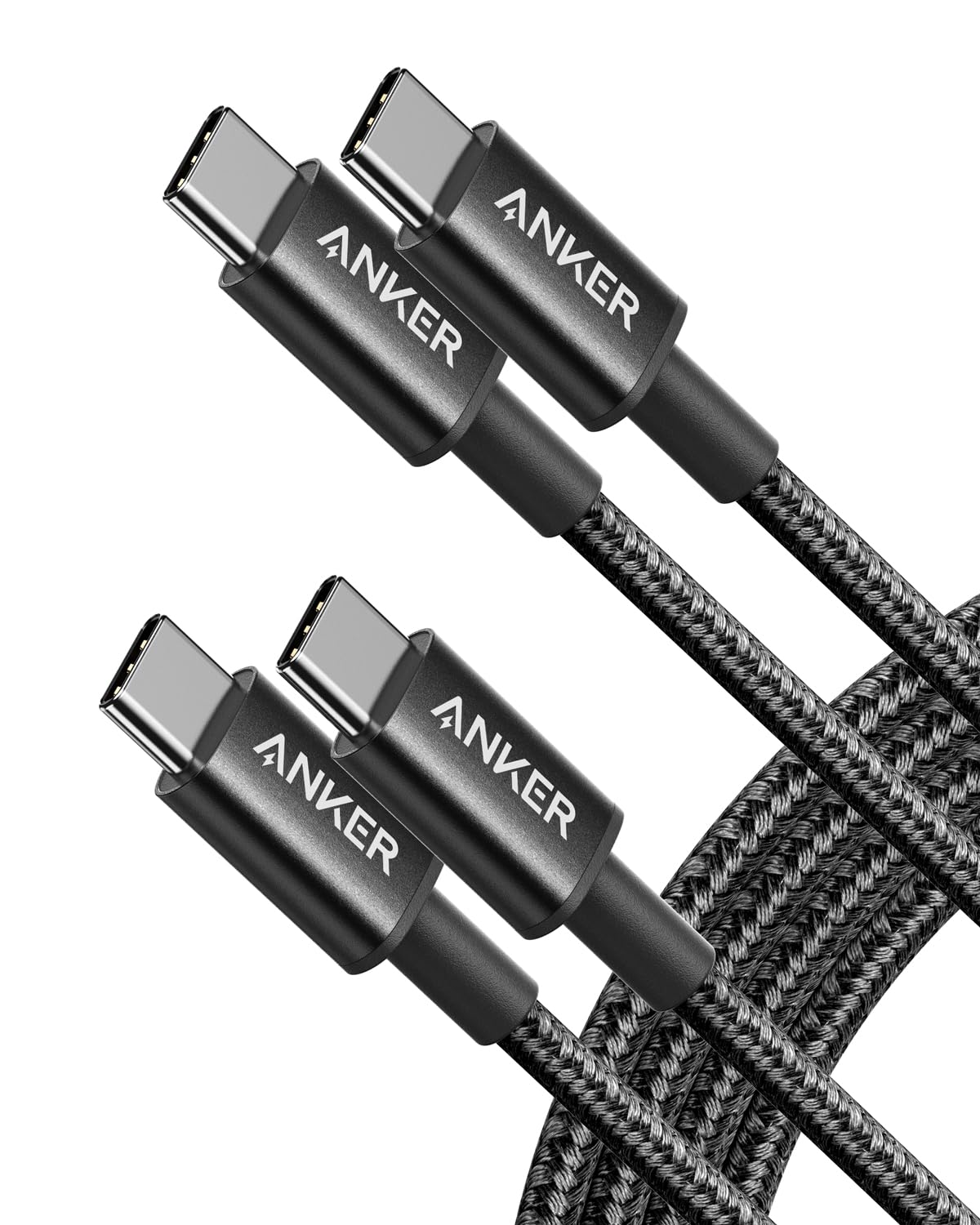
Anker USB-C to USB-C 60W Fast Charging Cable (2-Pack)
We'd buy this if: You need a reliable spare charging cable that won't fray in a month.
We'd skip this if: You already have enough cables lying around.
Some Phugialy Picks use affiliate links. If you buy through one, Phugialy may earn a commission. It doesn't change what we recommend. Full disclosure →
The 64-second result is a workflow example, not a benchmark
The source reports that the answer was on screen 64 seconds after Enter, with 26 seconds spent compiling, linking, and running. That gives a concrete sense of one interaction on the stated setup. It is not enough to infer general response speed, compare models, or predict performance across different programs.
The distinction matters if you’re deciding what to build with it. A working compile-run-inspect cycle is a meaningful demonstration of integration, but the timing also includes work done by the local tools. I’d treat the number as evidence that the pieces can cooperate on this machine, not as a performance claim to carry over to another workload. The source also doesn’t say how the workflow behaves across repeated runs or larger codebases.
The integration boundary is the part worth borrowing
ClawDOS can switch between providers and models that speak the Messages API. That makes the harness’s interface more interesting than a one-off connection to Claude: at least at the stated API level, the project is designed to accommodate alternatives. It does not show that every provider will behave the same way or produce equivalent results.
For an actual build, I’d borrow the shape of the system before copying its specifics: keep the agent’s tools close to the environment where code is compiled and run, and make the network boundary explicit. Here, a bridge PC handles TLS while the DOS harness operates on the XT. That is a practical answer to a constraint of this setup, not proof that the same arrangement is right for every deployment.
If you work on legacy software or agent harnesses, ClawDOS is worth examining as a compact example of connecting model calls to a real tool-and-feedback loop. I’d want to see the same edit, compile, run, and screenshot cycle hold up after switching providers before treating provider flexibility as a production advantage.
Holiday picks
Thanksgiving: early shopping
Start early: products for hosting, travel and home, plus the gear you have been watching.

Audio
Mid-size buyJLab, JBuds Lux ANC, Over Ear Headphones, Active Noise Cancelling, Bluetooth, Spatial Audio, Sage
View on Amazon (opens in a new tab): JLab, JBuds Lux ANC, Over Ear Headphones, Active Noise Cancelling, Bluetooth, Spatial Audio, SagePrices change daily. Check today's price on Amazon.
 Trending now
Home & Kitchen
Keurig K-Elite Single Serve K-Cup Pod Coffee Maker, Brushed Silver
View on Amazon (opens in a new tab): Keurig K-Elite Single Serve K-Cup Pod Coffee Maker, Brushed SilverPrices change daily. Check today's price on Amazon.
 Trending now
Home & Kitchen
eufy C28 Robot Vacuum Cleaner and Mop for pet hair, 15,000 Pa
View on Amazon (opens in a new tab): eufy C28 Robot Vacuum Cleaner and Mop for pet hair, 15,000 PaPrices change daily. Check today's price on Amazon.
We earn from qualifying purchases made through these links, at no extra cost to you, as an Amazon Associate and through other affiliate programs. Disclosure. See all Thanksgiving picks
Got a question about how this applies to you? →
Keep reading
Follow the thread

Coding-Agent Model Evaluation Needs a Production Loop
Airbnb tested coding-agent models on seven engineering task suites, measuring quality and the full token cost of each task. One result captures the tradeoff: high reasoning effort improved the score by 0.8 points, but cost 2.5 times as much.
Read this noteSame lane, different angle
Postman Coding-Agent Integrations Need User Consent
Postman’s agent integrations could be convenient when you choose them. A report raises a different question: should opening an API client change what your coding agent is instructed to do by default?
Octomind’s Coding Agent Harness: What the Results Show
Octomind reports solving 24 of 25 merged-pull-request tasks, compared with 19 for OpenCode using the same model at about twice the cost. The result is worth testing, but the more useful question is whether its guardrails and interfaces hold up in your repository.