Nvidia China Dealings Raise Oversight Questions, Not Answers
A podcast preview links Nvidia’s China dealings and Jensen Huang’s resignation to questions about AI-industry stability. But it introduces those questions without providing the details needed to answer them.
Automation needs a narrow first win
The best first AI workflow is usually a repeated task with a clear input, clear output, and a human approval step.
Nvidia China dealings are the subject of a Vergecast preview, not a finished account of what those dealings mean for the AI industry. The preview says the discussion will examine Jensen Huang’s resignation from the top of Nvidia, government oversight, and possible effects on industry stability; it does not provide the discussion’s conclusions or supporting evidence.
Nvidia China dealings raise an oversight question
The claim available here is modest: Nvidia’s dealings in China are a subject for discussion alongside Huang’s resignation and the stability of the AI industry. That puts corporate decisions and government oversight in the same frame, but the preview does not explain what the China dealings involve, what oversight is at issue, or how a change in leadership might affect either.
That distinction matters. A question about how Nvidia operates in China is not, by itself, evidence of a particular policy failure or a threat to the wider industry. My read is that the useful subject is accountability: what can governments assess about a company whose decisions may matter to an industry’s stability, and what evidence would let anyone judge that risk? The preview raises the terrain without answering those questions.
Worth a look
Phugialy Picks

AI Engineering: Building Applications with Foundation Models
A practical guide to building real-world applications with foundation models and LLMs.

GMKtec K15 AI Mini PC Oculink Intel Ultra 5 125U 32GB DDR5 512GB SSD | Desktop Computer AI Boost, 3X M.2 2280 Storage Expansion, Dual NIC...

2084 and the AI Revolution, Updated and Expanded Edition: How Artificial Intelligence Informs Our Future
Some Phugialy Picks use affiliate links. If you buy through one, Phugialy may earn a commission. It doesn't change what we recommend. Full disclosure →
What the preview establishes—and what it leaves open
The source establishes that the podcast plans to discuss Huang’s resignation from the top of Nvidia and possible consequences for AI-industry stability. It offers no statistics, direct quotes, or account of the underlying China dealings. It also mentions Mark Zuckerberg’s AI experiments in a lightning round, but gives no details about models or products.
That makes this a guide to a conversation, not evidence that any particular consequence has occurred. The gap is not a minor footnote: without specifics about the dealings, the oversight, or the proposed link to industry stability, readers cannot tell whether the concern is immediate, speculative, or simply a topic worth examining. Treating the preview as a finding would turn an open question into a conclusion the source does not support.
Industry stability remains a question, not a finding
The phrase “stability of the AI industry” carries weight, but here it is a possible effect to be examined, not a measured result. The material does not define stability or identify a mechanism by which Huang’s departure or Nvidia’s China dealings might affect it. That leaves room for several interpretations, none established by the preview alone.
The narrower, more defensible claim is that the Vergecast discussion puts Nvidia’s China dealings, leadership change, and government oversight on the agenda as questions relevant to AI-industry stability. Whether those questions point to a concrete risk depends on the details the preview leaves out—and on whether the full discussion supplies them. Until then, scrutiny is warranted; a verdict is not.
Holiday picks
Thanksgiving: early shopping
Start early: products for hosting, travel and home, plus the gear you have been watching.
AI Hardware
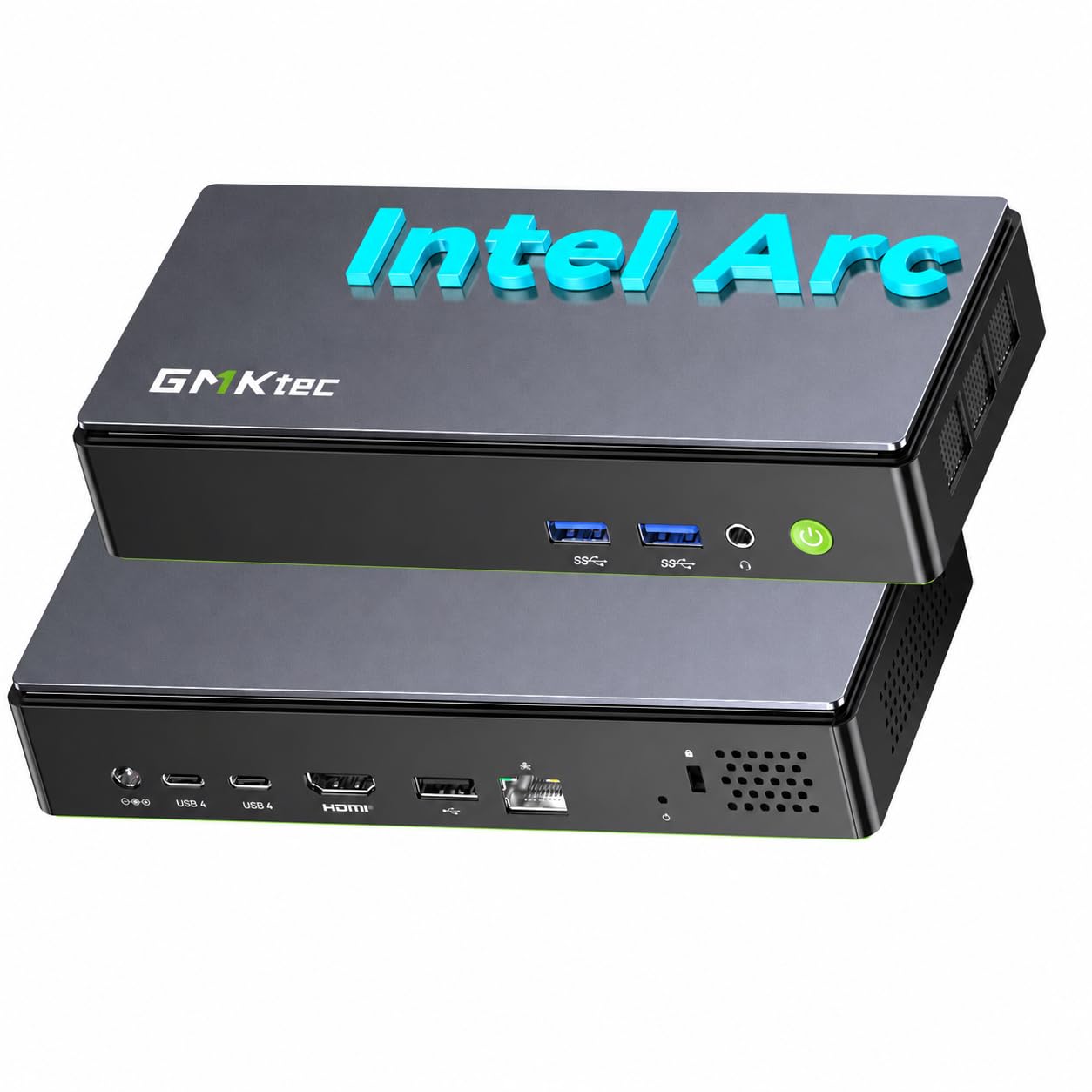
Big purchaseGMKtec K13 AI Mini PC Intel Core Ultra 7 256V 16GB LPDDR5X 1TB SSD
View on Amazon (opens in a new tab): GMKtec K13 AI Mini PC Intel Core Ultra 7 256V 16GB LPDDR5X 1TB SSDPrices change daily. Check today's price on Amazon.

Home & Kitchen
De'Longhi Magnifica Duo Automatic Espresso Machine, Milk Frother, Silver
View on Amazon (opens in a new tab): De'Longhi Magnifica Duo Automatic Espresso Machine, Milk Frother, SilverPrices change daily. Check today's price on Amazon.

Home & Kitchen
eufy C28 Robot Vacuum Cleaner and Mop for pet hair, 15,000 Pa
View on Amazon (opens in a new tab): eufy C28 Robot Vacuum Cleaner and Mop for pet hair, 15,000 PaPrices change daily. Check today's price on Amazon.
We earn from qualifying purchases made through these links, at no extra cost to you, as an Amazon Associate and through other affiliate programs. Disclosure. See all Thanksgiving picks
Got a question about how this applies to you? →
For a related look at policy uncertainty around AI infrastructure, read “AI Data Center Expansion Faces a Policy Risk Test.”
Keep reading
Follow the thread

YouTube Copyright Claims Need a Clear Human Appeal Path
Media Nov Records says it runs 500 YouTube channels and sells automated copyright tools. In one reported case, a musician’s cover of a public-domain folk song was removed, and her counterclaims did not resolve the dispute.
Read this noteSame lane, different angle
Speech-to-Text Inference Cuts Compute Costs With Spot
AssemblyAI reports 70 percent lower inference-compute costs than On-Demand pricing. The useful part to study is how Amazon SQS turns Spot interruptions into recoverable jobs—and what to measure before expecting the same savings.
Offline AI for Small Businesses: A Local Advantage
Fastagger is building AI around the constraints many products treat as edge cases: low-cost phones and unreliable internet. Auni’s integration into M-Pesa gives it a route to merchants, but sustained use—not sign-ups—will determine whether that distribution turns into a business.