The Aesthetic Race to the Bottom: How AI is Commoditizing Small Business Brand Identity
Small businesses are trading brand integrity for cost savings by adopting "uncanny" AI-generated imagery. This move signals a shift where aesthetic differentiation is becoming a luxury only high-margin companies can afford.
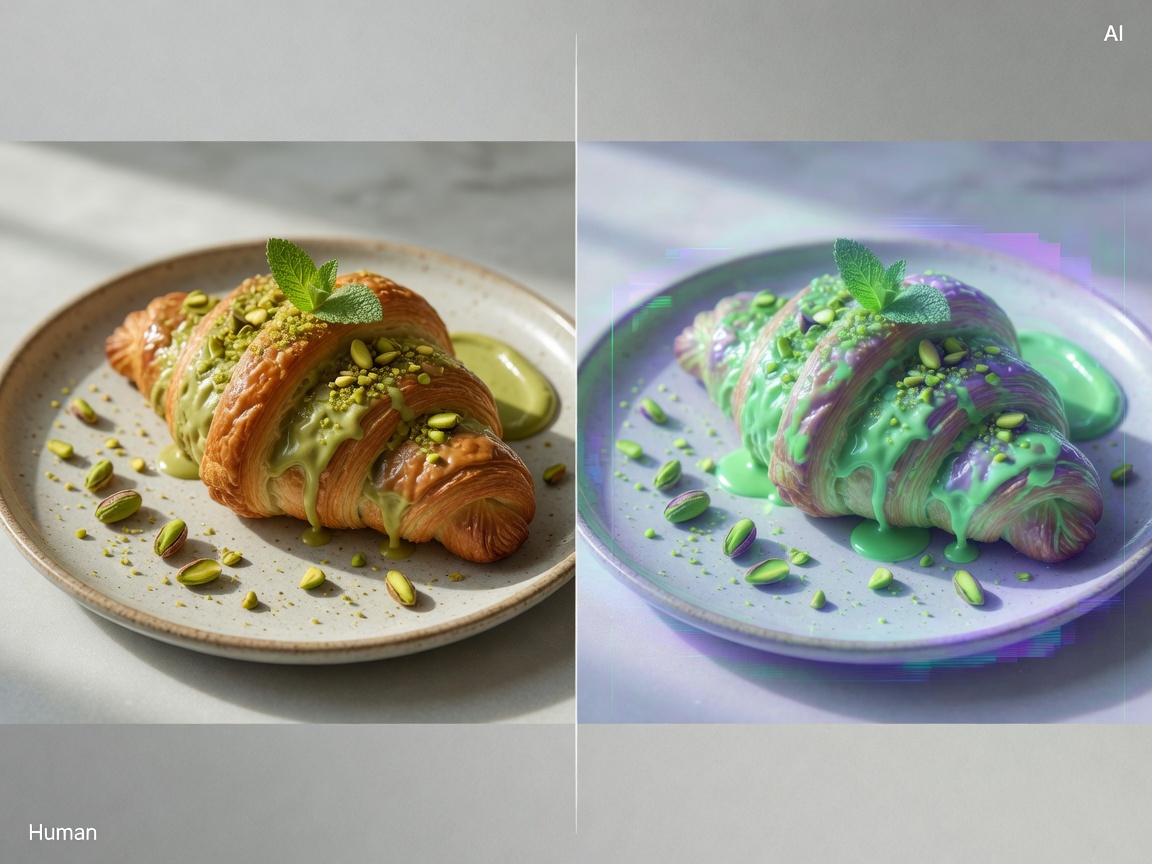
Automation needs a narrow first win
The best first AI workflow is usually a repeated task with a clear input, clear output, and a human approval step.
Small businesses are increasingly turning to generative AI to bridge the gap between limited marketing budgets and the need for professional-looking collateral. A recent example involves a local restaurant that revamped its menu images using AI, resulting in visuals described by observers as "uncanny" and "slop." While the technology succeeds in producing content quickly, the visual output highlights a growing friction between automated efficiency and brand integrity.
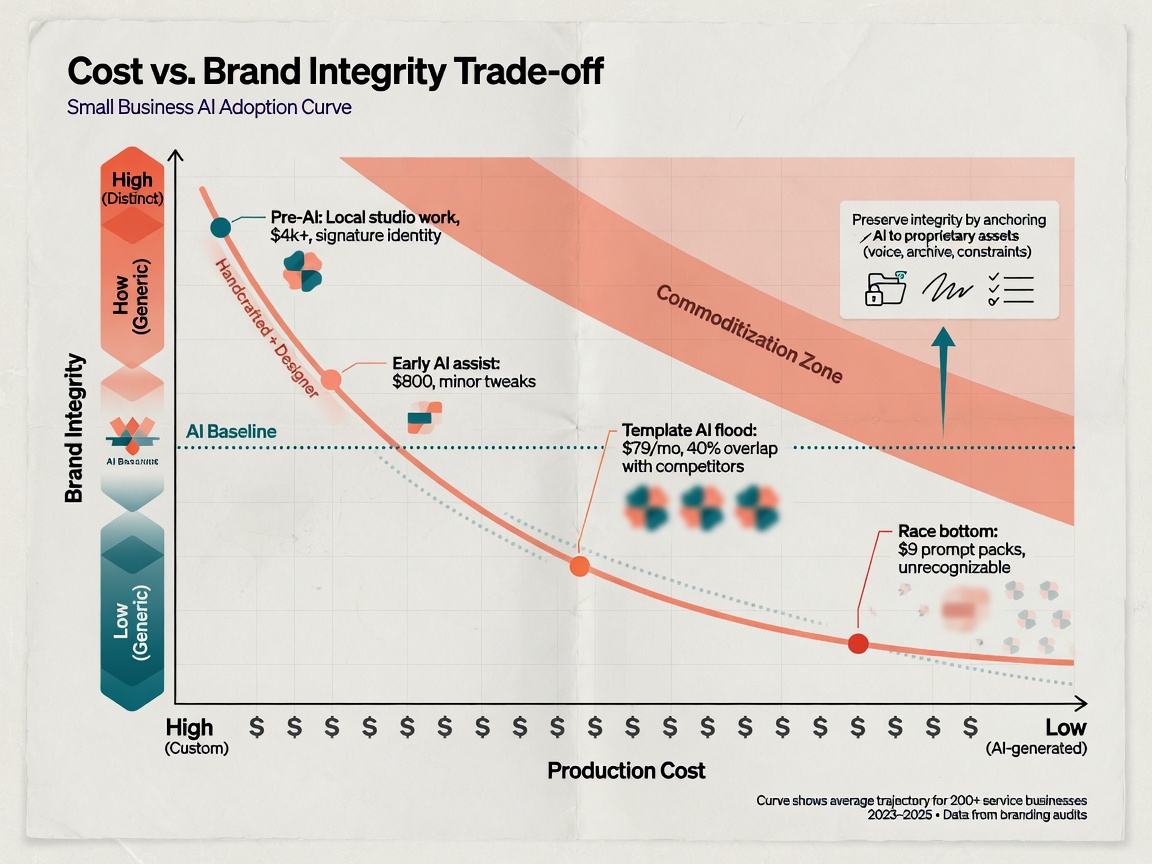
The Cost-Efficiency Trap of AI Signage
Small businesses operate on razor-thin margins where every dollar spent on marketing is scrutinized. For a restaurant selling a $10 plate, the cost of professional photography can feel prohibitive. Consequently, many are turning to generative AI not out of aesthetic preference, but as a concession to cost constraints. By automating the creation of menu images, a business can bypass the need for professional photographers and editors, allowing them to allocate resources elsewhere. However, this efficiency comes at a significant cost: the loss of nuance. AI often fails to capture the appetizing reality of a physical meal, producing synthetic textures that lack the weight of real-world lighting.
Worth a look
Phugialy Picks

The Agentic AI Bible: The Complete and Up-to-Date Guide to Design, Develop, and Scale Goal-Driven, LLM-Powered Agents that Think, Execute...

AI Engineering: Building Applications with Foundation Models
A practical guide to building real-world applications with foundation models and LLMs.

Screen Mom Screen Cleaner Spray (16oz)
We'd buy this if: You've been wiping your monitor with your shirt sleeve.
We'd skip this if: You already have a cleaning routine sorted.
Some Phugialy Picks use affiliate links. If you buy through one, Phugialy may earn a commission. It doesn't change what we recommend. Full disclosure →
The Conversion Risk of the "Uncanny Valley"
The output of these tools often falls into the "uncanny valley" of food presentation. When AI-generated plates look disturbing or poorly rendered, they create a technical and aesthetic problem: a psychological disconnect between the advertisement and the actual experience. If a customer sees a distorted, synthetic representation of a dish, it may trigger an instinctive distrust of the quality of the food itself. When "visual slop" becomes the standard, it risks alienating customers who rely on visual cues to make purchasing decisions. In some cases, critics argue that outdated fonts like Comic Sans would be more palatable than the current state of AI-generated imagery.
The Emerging Two-Tier Brand Economy
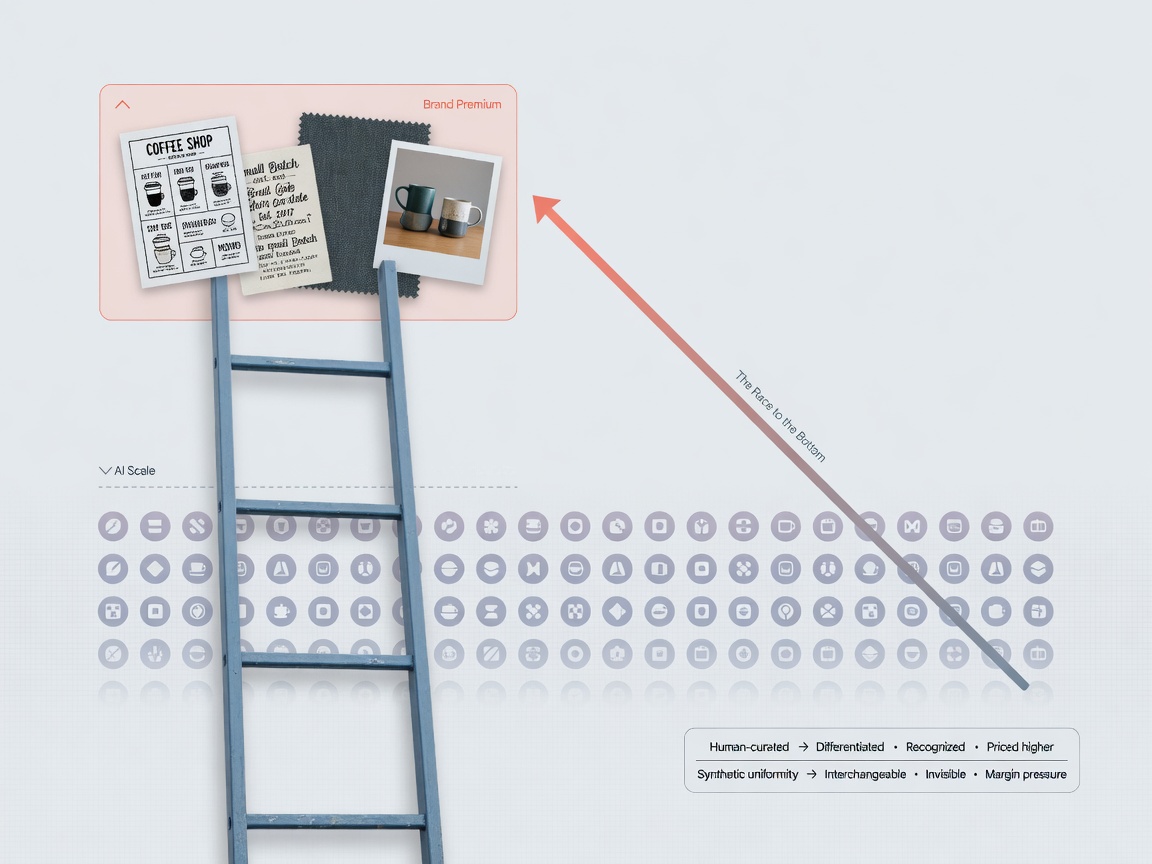
The real story here isn't the poor quality of a single restaurant's menu; it's what this signals about the commoditization of small-business aesthetics. By opting for AI-generated "slop," these businesses are signaling that unique visual identity is being sacrificed for immediate cost-cutting. This suggests a move toward a standardized, synthetic aesthetic where local businesses lose their distinctiveness. As AI lowers the floor for production, it simultaneously lowers the ceiling for brand differentiation. We are moving toward a two-tier market: a "budget" experience defined by synthetic uniformity, and a "premium" experience defined by the presence of human-curated content. In this new economy, human-led brand aesthetics may become a luxury good reserved for high-margin enterprises.
Got a question about how this applies to you? →
Keep reading
Follow the thread
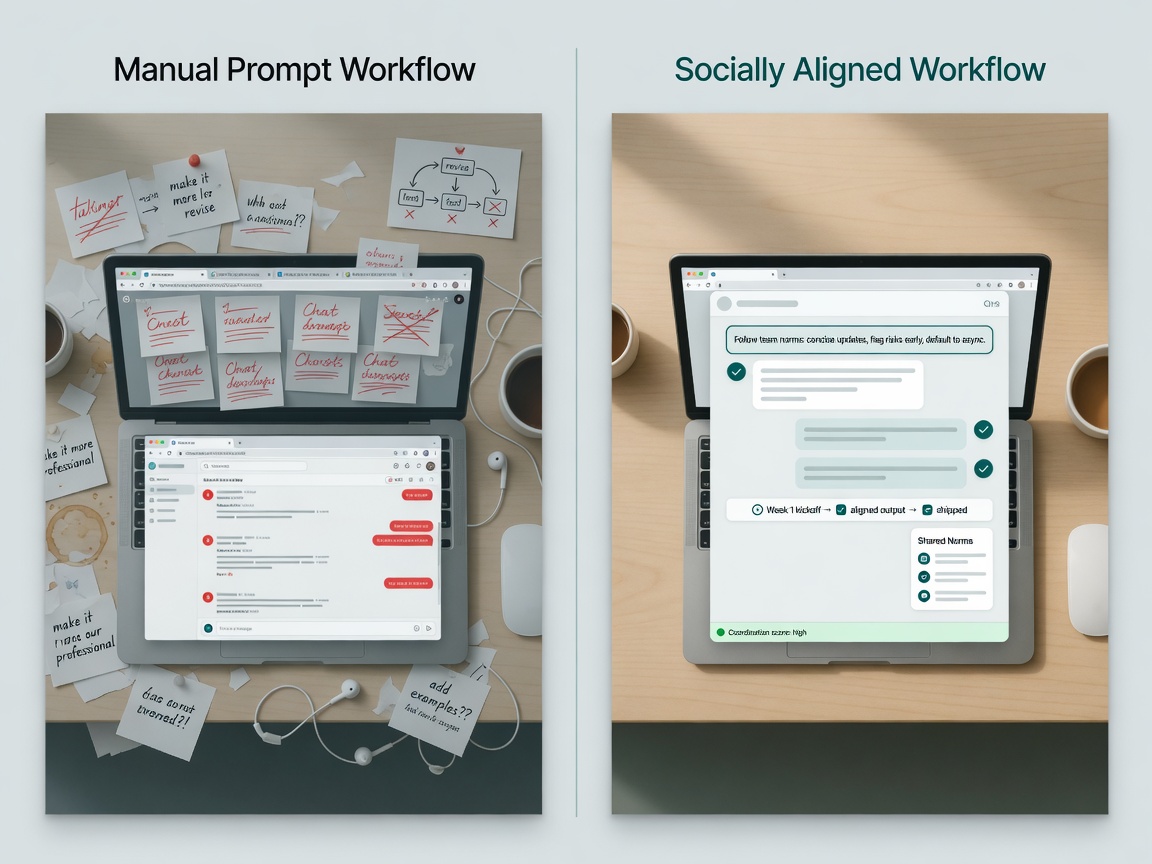
How Social Norms Improve Human-AI Coordination
New research shows that AI agents informed by social norms can outperform human-human interactions by 43%. This suggests the next leap in coordination isn't better data, but better alignment with human social principles.
Read this noteSame lane, different angle
The OPTICS Benchmark Shows VLMs Still Can't Count
State-of-the-art vision-language models score below 40% on counting tasks in zero-shot settings — and even newer reasoning models trail humans by 20%. A new benchmark called OPTICS breaks down exactly where visual reasoning falls apart.
How AI Labs Are Becoming a Counterbalance to Government
Frontier AI labs are transitioning from mere software providers to critical infrastructure, creating a scenario where they may soon act as a counterbalance to government. As AI becomes the primary substrate for cognitive