AI Overviews in Schools: Google Ties Search to AI
Google says school leaders should control how AI is used in classrooms, but its policy ties Search access to allowing AI Overviews. The safety concerns deserve scrutiny; the available evidence does not make every AI product or allegation interchangeable.
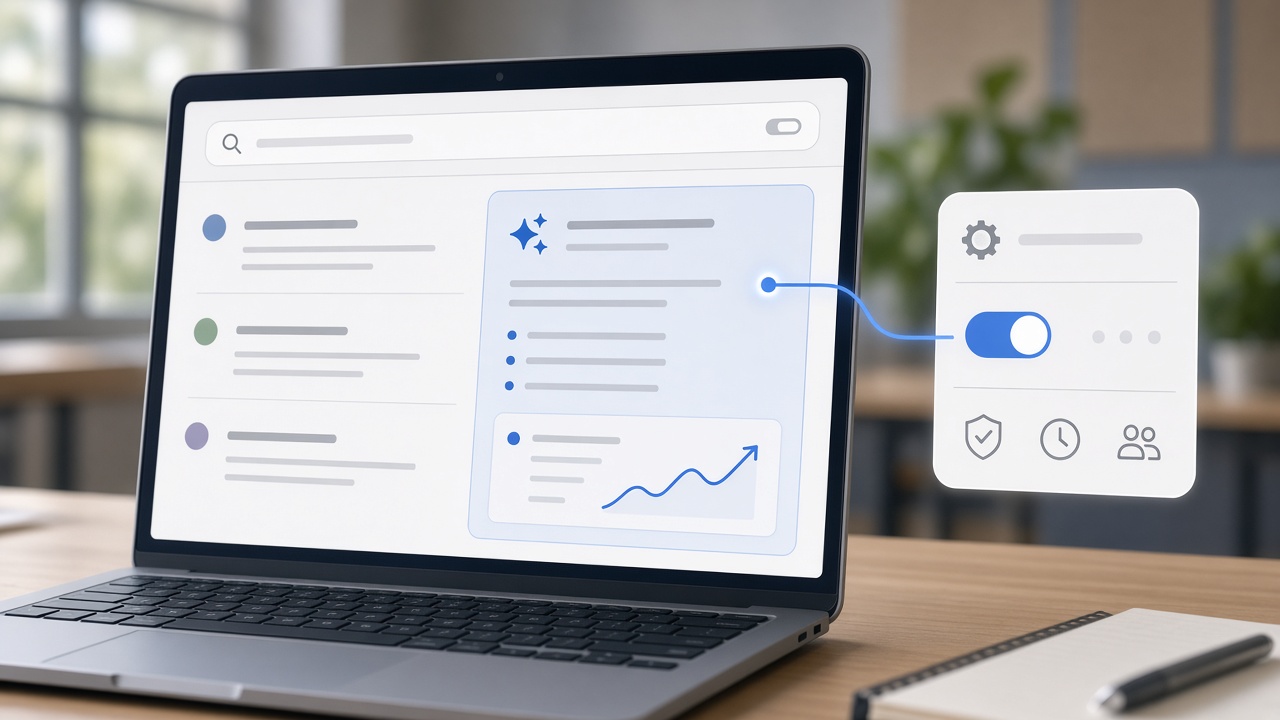
Automation needs a narrow first win
The best first AI workflow is usually a repeated task with a clear input, clear output, and a human approval step.
Google’s policy makes access to Google Search for students conditional on allowing AI Overviews. The dispute is not simply whether schools should use AI; it is whether they can reject this feature without losing Search.
AI Overviews in schools are tied to Search access
The source article describes a policy under which schools that turn off AI Overviews for students lose access to Google Search. That leaves districts that have banned classroom AI facing a choice between accepting the feature and giving up the search service. Parents, public officials and education partners have criticized the arrangement and its effect on trust.
Google says, “Our goal is simple: provide school leaders the control and confidence to use AI products in classrooms as they see fit.” But control is limited if a school cannot separate AI Overviews from Search. The criticism summarized in the article as “AI or nothing” captures the practical objection: schools may be offered a choice, but not the narrower choice many appear to want.
That distinction matters. A policy can describe school leaders as in control while setting terms that constrain what they can refuse. The disagreement is therefore about product access as well as classroom AI policy.

Worth a look
Phugialy Picks

AI Engineering: Building Applications with Foundation Models
A practical guide to building real-world applications with foundation models and LLMs.

GMKtec K15 AI Mini PC Oculink Intel Ultra 5 125U 32GB DDR5 512GB SSD | Desktop Computer AI Boost, 3X M.2 2280 Storage Expansion, Dual NIC...

2084 and the AI Revolution, Updated and Expanded Edition: How Artificial Intelligence Informs Our Future
Some Phugialy Picks use affiliate links. If you buy through one, Phugialy may earn a commission. It doesn't change what we recommend. Full disclosure →
Safety concerns are relevant, but not a verdict on every use
The article notes concerns about AI Overviews’ safety and accuracy. Common Sense Media rated them an “unacceptable risk,” citing unsafe content and false information. Those concerns give schools a reason to ask whether the feature belongs in a student-facing setting, but the material here does not provide evaluation details that would establish how often problems occur or under what conditions.
The article also reports that parents in North Carolina sued Google, alleging that its Gemini chatbot helped their 13-year-old daughter plan her suicide and funeral. That is a serious allegation about Gemini, not a finding about AI Overviews. Treating the lawsuit as proof that AI Overviews caused harm would collapse distinct products and claims into one. It is relevant to the broader question of trust in Google’s AI products, but it does not settle the safety or accuracy of this particular feature.
The gap is important: the available material supports concern and scrutiny, not a complete account of risk. Schools need evidence about the feature they are being asked to accept, rather than having one product’s allegations stand in for another product’s evaluation.
The cost of the policy falls on school choice
When Search access is tied to AI Overviews, the immediate burden falls on school leaders and communities trying to set boundaries for students. Parents and public officials have criticized the policy, and the trust issue is not incidental: a stated commitment to school control is harder to rely on when declining one AI feature means losing access to Search.
The narrower, more defensible claim is that Google’s policy limits schools’ ability to separate Search from AI Overviews, while the material raises but does not resolve questions about the feature’s safety and accuracy. The next useful signal would be whether schools can opt out of AI Overviews without losing Search—and whether Google provides evidence specific to the feature that addresses the concerns raised.
Holiday picks
Thanksgiving: early shopping
Start early: products for hosting, travel and home, plus the gear you have been watching.
- Trending now
AI Hardware
Big purchaseGMKtec K15 AI Mini PC Oculink Intel Ultra 5 125U 32GB DDR5 512GB SSD | Desktop Computer AI Boost, 3X M.2 2280 Storage Expansion, Dual NIC...
View on Amazon (opens in a new tab): GMKtec K15 AI Mini PC Oculink Intel Ultra 5 125U 32GB DDR5 512GB SSD | Desktop Computer AI Boost, 3X M.2 2280 Storage Expansion, Dual NIC...Prices change daily. Check today's price on Amazon.

Home & Kitchen
eufy C28 Robot Vacuum Cleaner and Mop for pet hair, 15,000 Pa
View on Amazon (opens in a new tab): eufy C28 Robot Vacuum Cleaner and Mop for pet hair, 15,000 PaPrices change daily. Check today's price on Amazon.
 New this week
Home & Kitchen
Keurig K-Elite Single Serve K-Cup Pod Coffee Maker, Brushed Silver
View on Amazon (opens in a new tab): Keurig K-Elite Single Serve K-Cup Pod Coffee Maker, Brushed SilverPrices change daily. Check today's price on Amazon.
We earn from qualifying purchases made through these links, at no extra cost to you, as an Amazon Associate and through other affiliate programs. Disclosure. See all Thanksgiving picks
Got a question about how this applies to you? →
For more on Google’s expansion of AI into Search, read “From Search Results to Query Fan-out: The Reality of Google’s AI Expansion.”
Keep reading
Follow the thread
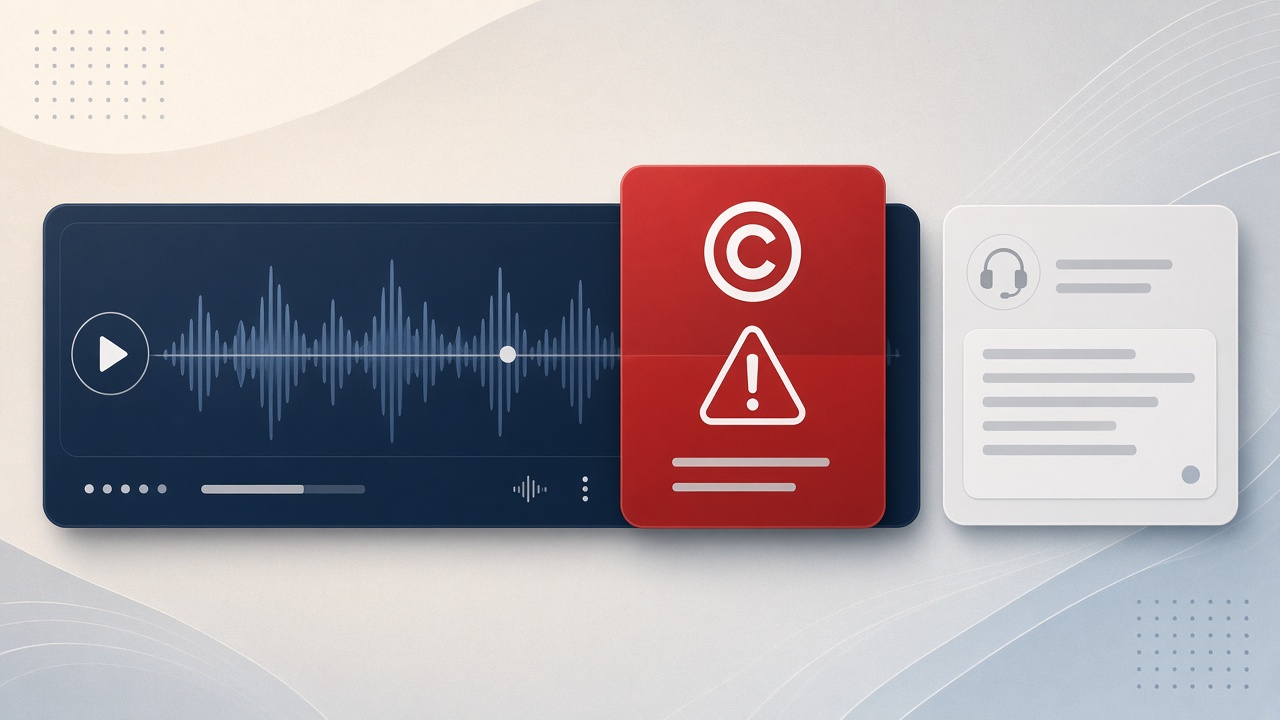
YouTube Copyright Claims Need a Clear Human Appeal Path
Media Nov Records says it runs 500 YouTube channels and sells automated copyright tools. In one reported case, a musician’s cover of a public-domain folk song was removed, and her counterclaims did not resolve the dispute.
Read this noteSame lane, different angle
AI Hacking Incidents and the Legal Responsibility Gap
The argument over alleged AI hacking turns on more than whether a model can behave unexpectedly. It asks whether the choices behind its training and configuration can still matter to questions of intent—and whether the available transparency is enough to examine them.
AI Tutoring Needs Stronger Proof Than Faster Homework
Alpha School’s AI tutoring platform promises students can “learn twice as much as their peers in two hours of academics a day.” Internal data reported by The New York Times offers a more qualified picture: 42% of Alpha s