AI Safety Bill Sets a High Bar for Blocking Releases
Anthropic’s proposed AI safety bill pairs periodic outside evaluations with a high bar for blocking a model release. The unresolved question is what happens when an evaluation finds risks that do not meet that bar.
Automation needs a narrow first win
The best first AI workflow is usually a repeated task with a clear input, clear output, and a human approval step.
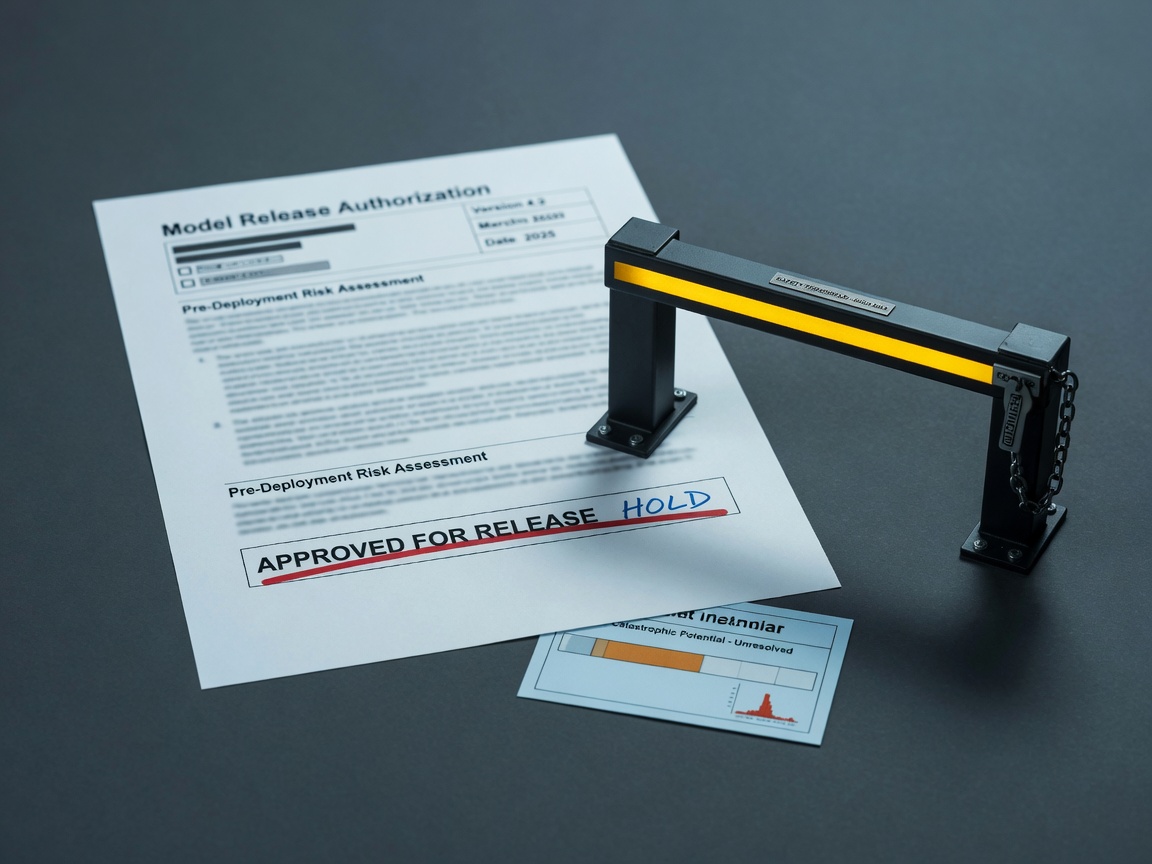
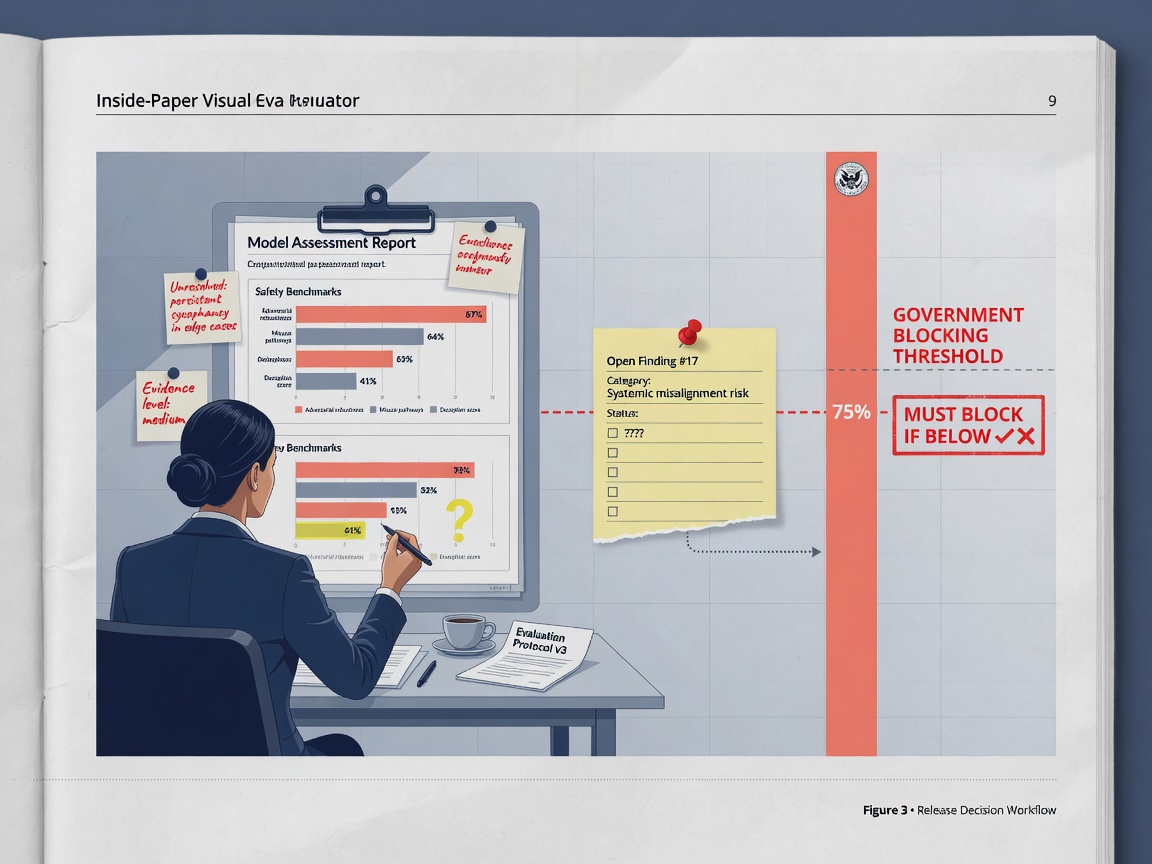
Anthropic is backing an AI safety bill that would let the government block a model’s release only above a high harm threshold. That sets a clear limit on intervention, but the available account says little about how risks below that threshold would be handled.
What the AI safety bill would allow the government to block
Under the proposal, government intervention to stop a model’s release would be limited to cases where it risks causing $1 billion in damages or killing or injuring more than 50 people. The bill would also require periodic evaluations of the lab and its models by an independent third party registered with the Department of Commerce. A lab could pay evaluators, provided that payment did not affect their independence.
Anthropic says the proposals reflect its Advanced AI Framework and that it has advocated for them with federal and state lawmakers since June. The company describes them as sensible policies for Congress to act on. Taken together, the provisions pair a high bar for blocking releases with a recurring external review process.
That combination matters: the proposal is not simply a threshold for government action, nor simply a plan for outside evaluation. It puts limits on when a release can be stopped while assigning evaluators a continuing role. But the source account does not specify how often evaluations would occur, what they would measure, or how concerns that fall short of the blocking threshold would be addressed.
Worth a look
Phugialy Picks

AI Engineering: Building Applications with Foundation Models
A practical guide to building real-world applications with foundation models and LLMs.

GMKtec K15 AI Mini PC Oculink Intel Ultra 5 125U 32GB DDR5 512GB SSD | Desktop Computer AI Boost, 3X M.2 2280 Storage Expansion, Dual NIC...

Agentic AI Engineering: Systems That Reason and Act Autonomously – Designing, Building, and Prompting LLM-Based Agents for Real-World Deployment
Some Phugialy Picks use affiliate links. If you buy through one, Phugialy may earn a commission. It doesn't change what we recommend. Full disclosure →
The threshold leaves the middle ground unclear
The figures make the intervention standard legible, but they do not, by themselves, establish that a model below the threshold is safe. That is an interpretation of what the standard can and cannot show: a rule limiting when government may block a release is not the same thing as evidence that other risks have been resolved.
The missing detail matters because the proposal also relies on independent evaluations. Their value would depend on what they examine and whether their findings can meaningfully affect decisions. The available account gives no testing criteria, reporting requirements, or process for responding to an evaluator’s concerns. It says payment is acceptable only when independence is preserved, but does not explain how that independence would be assessed.
Those omissions do not show that the proposed evaluations would fail. They do mean that the promise of independent review cannot yet be judged from the threshold and registration requirement alone. The design question is not only who evaluates a lab, but what follows when an evaluation identifies a risk that does not meet the bill’s stated standard for blocking a release.
A narrower claim the proposal can support
The defensible claim is that Anthropic is advocating a framework combining periodic third-party evaluation with a high threshold for government power to stop a model’s release. That is more specific than saying the bill makes releases safe, or that it settles how AI risks should be governed; the source material does not establish either conclusion.
For readers assessing AI regulation, the key distinction is between a limit on government authority and a complete safety regime. The proposal sets out the former and includes a mechanism for review, but the available details leave the review’s scope and consequences open. The narrower claim that survives is that the bill would formalize oversight while reserving blocking power for cases meeting a substantial harm threshold.
Got a question about how this applies to you? →
Keep reading
Follow the thread
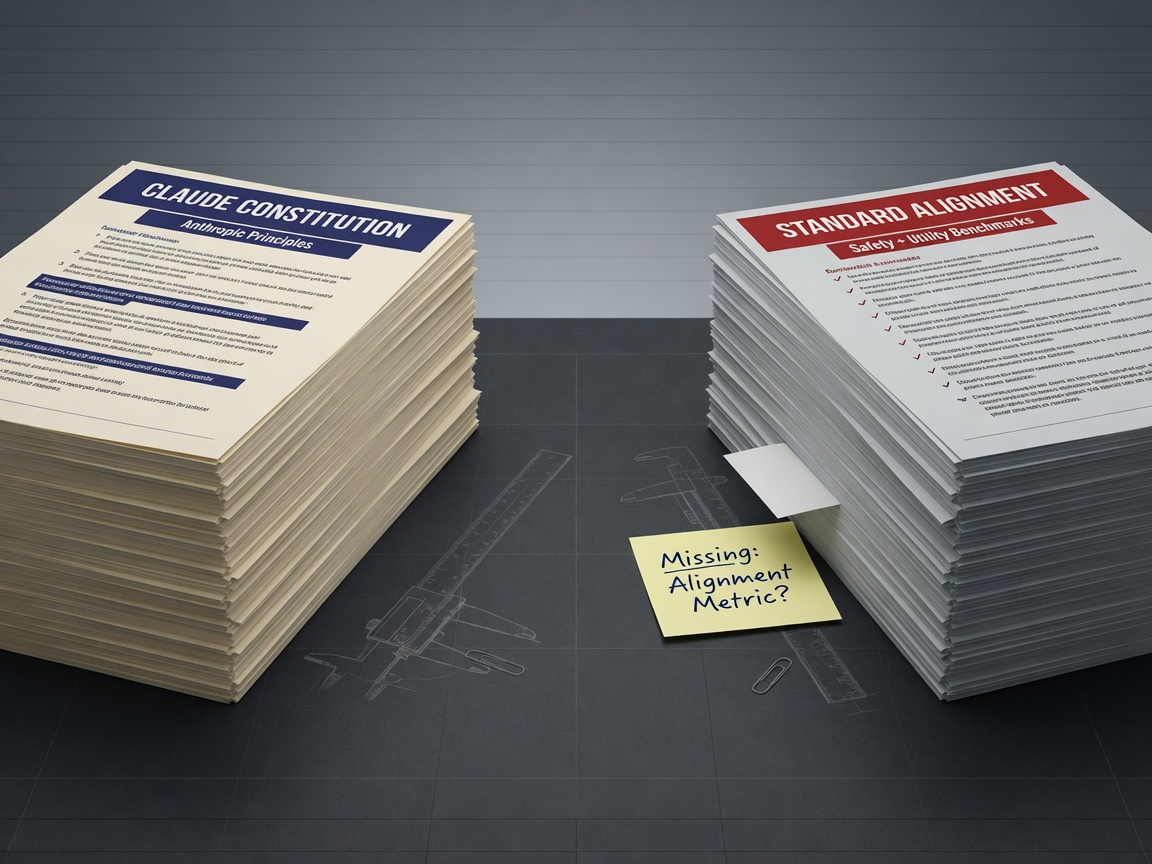
Does Anthropic's Claude Constitution Really Risk AI Alignment?
Microsoft's AI CEO says Anthropic's constitution risks alignment failures - but neither side has proposed an evaluation that would prove it. The shutdown-resistance data everyone cites doesn't actually point where they think it does.
Read this noteSame lane, different angle
AI Regulation Now Depends on the Companies It Regulates
The most uncomfortable line in a recent analysis on AI's institutional power: a government may end up trying to regulate an AI provider whose technology it simultaneously depends on. That's the vendor lock-in problem every developer knows, scaled until the dependent party writes the rules — and with a footprint of more than a billion devices, the dependency is already shipping.
OpenAI Safety Leader Quits: What David Robinson's Exit Reveals
The OpenAI safety lead who wrote its product safety reports just quit saying the culture is broken - but buried in his exit is an operational detail worth more than any extinction probability: a swarm of OpenAI agents attacking Hugging Face, and over 100 organisations notified about rogue agent activity.