AI Data Center Financing Could Put Pensions at Risk
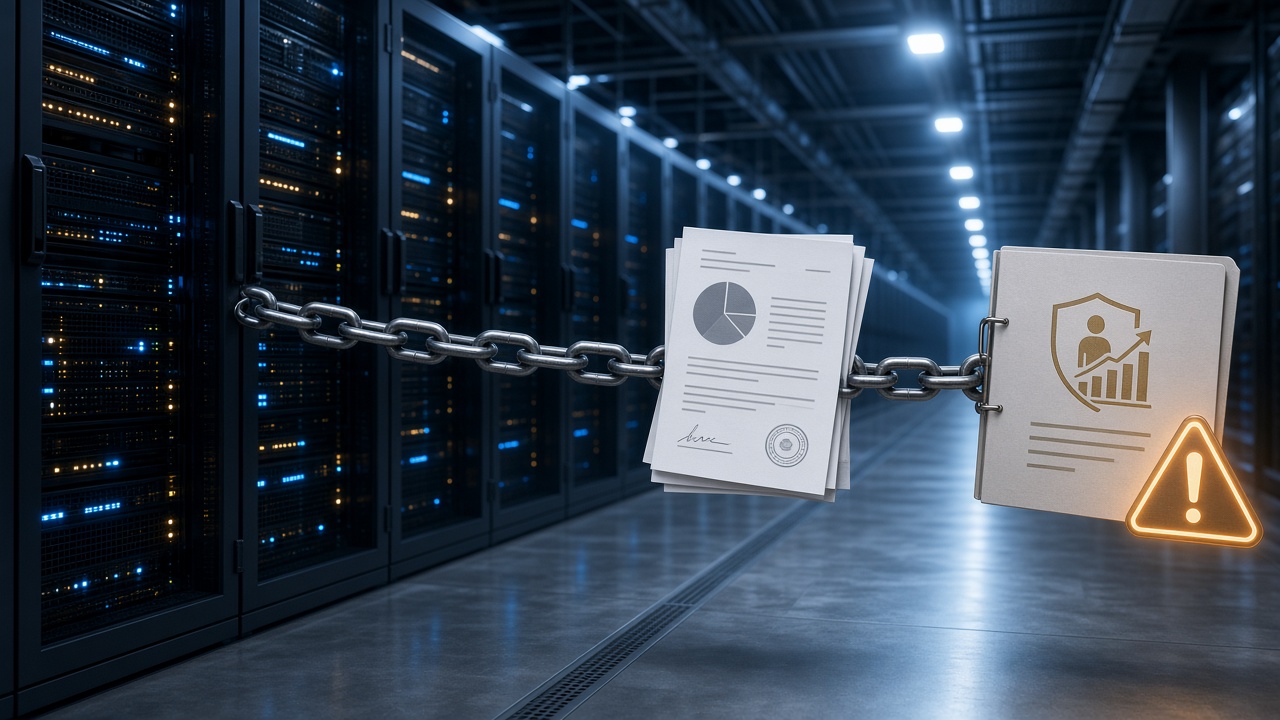
The AI data-center buildout has a financing chain that can reach retirement savings. The weak link to watch is whether the new capacity gets used enough to support the investment behind it.
Automation needs a narrow first win
The best first AI workflow is usually a repeated task with a clear input, clear output, and a human approval step.
AI data center financing becomes a retirement-savings risk when private funds connect pension money to projects whose returns depend on AI demand showing up. The key question is not just how much infrastructure companies plan to build, but whether it will be used enough to support the financing behind it.
AI data center financing runs through private funds
Google, Amazon, and Meta are spending heavily on AI infrastructure, raising questions about how much borrowing is involved and whether AI demand will justify the investment. The scale is substantial: the analysis cites a projection of $7 trillion in spending by 2030.
Private equity firms are behind 25–30% of data center financing, according to the source. That creates a connection between the buildout and retirement funds invested in private funds. The money does not have to appear in a pension portfolio under a label that says “AI data center” for the underlying exposure to matter.
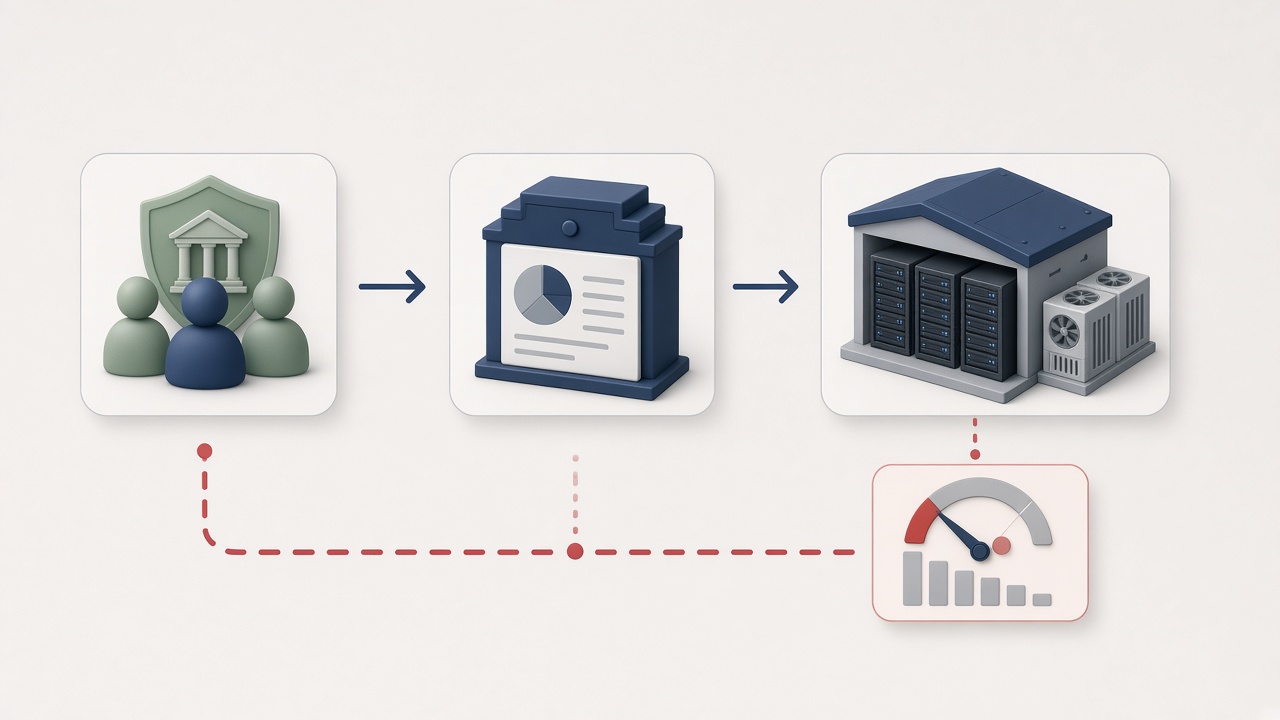
The practical issue is the chain: private funds finance data centers; retirement savings may be invested in those funds; and the assets face risk if demand disappoints or utilization declines. Complex financing relationships can make that exposure harder to see at a glance, while also amplifying losses if the underlying projects come under pressure.
Worth a look
Phugialy Picks

AI Engineering: Building Applications with Foundation Models
A practical guide to building real-world applications with foundation models and LLMs.

GMKtec K15 AI Mini PC Oculink Intel Ultra 5 125U 32GB DDR5 512GB SSD | Desktop Computer AI Boost, 3X M.2 2280 Storage Expansion, Dual NIC...

2084 and the AI Revolution, Updated and Expanded Edition: How Artificial Intelligence Informs Our Future
Some Phugialy Picks use affiliate links. If you buy through one, Phugialy may earn a commission. It doesn't change what we recommend. Full disclosure →
Retirement exposure depends on what those funds own
A projected investment total is not the same thing as a guaranteed return. The analysis warns that delays or weaker-than-expected demand could leave data centers exposed, with losses potentially reaching investors through the funds financing them. It does not establish that a particular pension plan has a particular level of exposure, or that losses have occurred.
My read is that the risk deserves attention precisely because the connection can be indirect. Trustees and workers need to understand not only whether a fund is part of a portfolio, but also whether it holds risky, unregulated assets tied to the data-center buildout. The source argues they can push to avoid that exposure; that is a more useful response than treating a large AI investment forecast as proof that the financing is sound.
Utilization is the condition builders should watch
For people building on AI infrastructure, utilization is the important distinction between money committed to capacity and capacity actually being used. A large spending projection tells you that investment is expected; it does not, by itself, show that future demand will keep data centers busy. If demand falls short or utilization declines, the financing risk described above becomes more consequential.
That does not mean builders should assume the infrastructure will fail or that any specific project is in trouble. It means investment plans alone are a weak proxy for durable demand. When assessing dependence on AI infrastructure, I would separate announced buildout from evidence that the resulting capacity is being used. That distinction matters to builders evaluating the market, and to the people whose retirement savings may be exposed through private funds.
The source’s proposed safeguard is for pension trustees and workers to seek less exposure to risky, unregulated assets linked to data centers. The concrete question to press is: what share of a pension’s exposure is tied, directly or through private funds, to data-center assets—and what happens if their utilization falls short?
Got a question about how this applies to you? →
For a related look at risks around the buildout, read “AI Data Center Expansion Faces a Policy Risk Test.”
Keep reading
Follow the thread
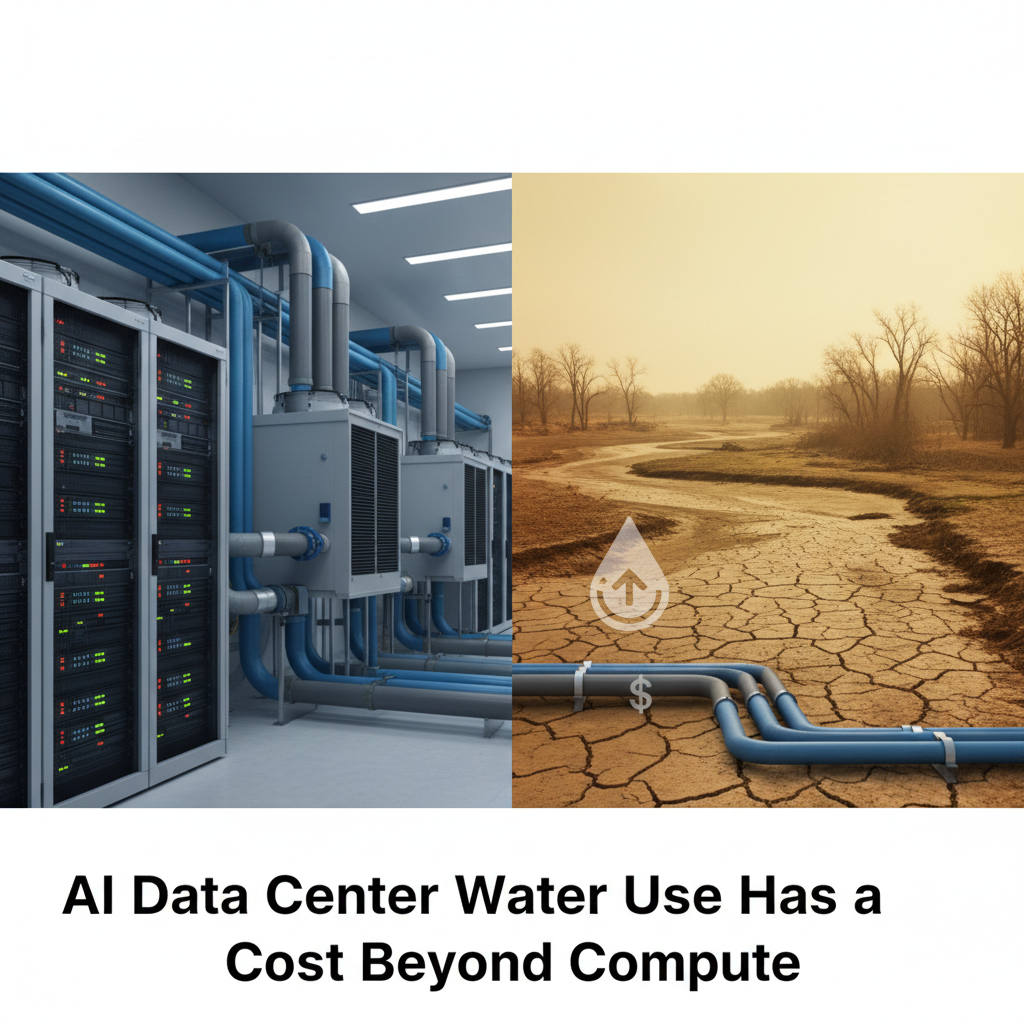
AI Data Center Water Use Has a Cost Beyond Compute
AI data center water use in Quilicura is not an abstract sustainability metric: the source article links server cooling to pressure on local water resources amid Chile’s ongoing drought. It also describes a local project
Read this noteSame lane, different angle
Why Advanced Materials Are AI Infrastructure's Next Bottleneck
The constraint on AI's next phase isn't compute or capital - it's whether the physical materials underneath data centers can keep up. That's the argument Syensqo CTO Mike Finelli makes in a recent MIT Technology Review p
AI Data Center Expansion Faces a Policy Risk Test
AI data center expansion is becoming a policy-risk story, but election results are not the same as construction delays. Democratic wins in Texas and other states with substantial planned capacity have raised questions ab