Automated Alignment Research Has Three Different Jobs
Automating alignment research does not mean automating one thing. Experimental work, conceptual work, and changes to a specific system each bring different risks—and a metric can make the last one look better than it is.

Automation needs a narrow first win
The best first AI workflow is usually a repeated task with a clear input, clear output, and a human approval step.
Automated alignment research is not one task waiting for a better model. It covers experimental science, conceptual work on what alignment means, and engineering that tries to make particular systems behave better. Those categories matter because AI can help with each in different ways—and the risks do not line up neatly.
Empirical alignment research can become capability research
Empirical alignment work uses AI agents to design and run alignment-relevant experiments. The source article’s useful shorthand is that this is science: propose an experiment, run it, and learn from the result. But automating that work overlaps heavily with automating AI capabilities research.
That overlap is the first practical constraint. A system that can run experiments more effectively does not automatically direct that ability toward safer systems. The same general research automation could support work on capabilities. That does not make empirical alignment automation a dead end; it does mean the alignment label alone is not evidence that the resulting capability is safety-directed.
My read is that teams should evaluate the direction of the work, not just whether an agent can perform the research task. A benchmark for experiment design could show that an agent is useful, but it would not establish what research its use ultimately accelerates.
Worth a look
Phugialy Picks

Screen Mom Screen Cleaner Spray (16oz)
We'd buy this if: You've been wiping your monitor with your shirt sleeve.
We'd skip this if: You already have a cleaning routine sorted.
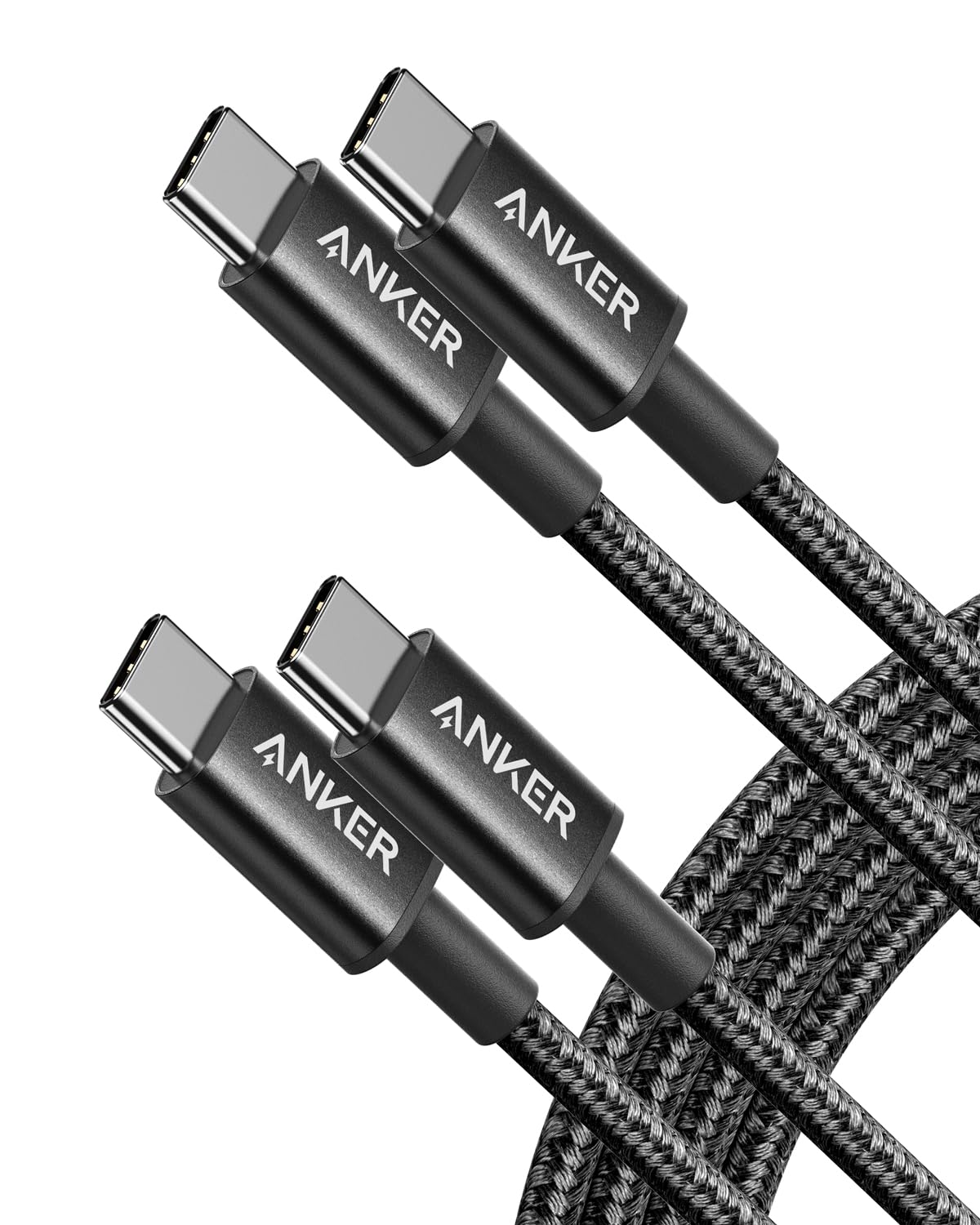
Anker USB-C to USB-C 60W Fast Charging Cable (2-Pack)
We'd buy this if: You need a reliable spare charging cable that won't fray in a month.
We'd skip this if: You already have enough cables lying around.

Stanley Quencher H2.0 Tumbler 30oz
We'd buy this if: You want a large, well-reviewed insulated tumbler and don't mind it having nothing to do with AI.
We'd skip this if: You'd rather every Pick on this site stay strictly on-topic.
Some Phugialy Picks use affiliate links. If you buy through one, Phugialy may earn a commission. It doesn't change what we recommend. Full disclosure →
Conceptual alignment is hard to verify
Conceptual alignment research asks what alignment means and how it should be measured. The source says this work is harder to automate because progress is difficult to verify. That is a real distinction: when there is no clear check that a proposed concept or measurement is better, it is harder to tell whether an AI system has made progress or merely produced plausible-sounding analysis.
This is where a familiar automation instinct can mislead. If the work is hard to verify, producing more answers is not the same as producing better answers. My interpretation is that conceptual work needs unusually careful human judgment and verification; otherwise, apparent productivity can conceal the absence of a reliable yardstick.
Direct alignment depends on processes, not just scores
Direct alignment work applies AI to make particular systems more aligned. The examples in the source include auditing training data or environments and monitoring systems during training. It also points to RLAIF and Claude 3 Opus’s apparent self-alignment as examples related to this kind of automated work. “Apparent” matters here: the examples illustrate the direction of work, not proof that the problem is solved.
The key caution is that alignment metrics may be less reliable than direct alignment processes. If a team optimizes a metric that does not capture the desired behavior, the system can improve its score while becoming worse in ways the metric misses. That is an interpretation of the risk the article identifies, but it is a familiar production problem: what is easy to measure can quietly become the target.
So the useful question is not simply whether AI can automate alignment. It is which part of alignment is being automated, how progress is checked, and whether the check can be gamed or misdirected. The article’s categories offer a practical starting point. Before trusting a result, ask whether it demonstrates better experiments, clearer concepts, or a more reliable process for changing a specific system. Those are different claims, and they need different evidence.
Got a question about how this applies to you? →
Keep reading
Follow the thread
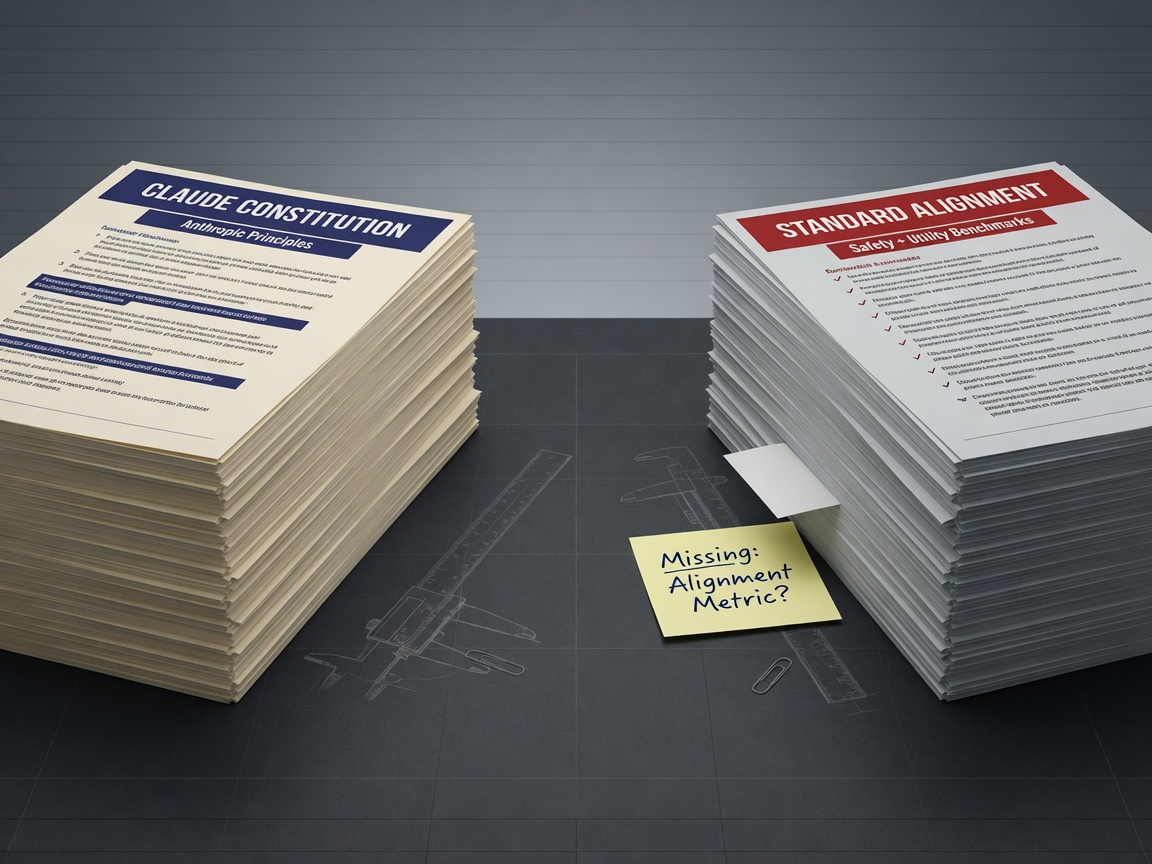
Does Anthropic's Claude Constitution Really Risk AI Alignment?
Microsoft's AI CEO says Anthropic's constitution risks alignment failures - but neither side has proposed an evaluation that would prove it. The shutdown-resistance data everyone cites doesn't actually point where they think it does.
Read this noteSame lane, different angle
Climate Emulators Need Better Training Data, Not More Runs
Climate emulators may need fewer full-scale model runs to learn from future scenarios. The interesting claim is not just lower training cost: it is whether optimized synthetic data helps them predict situations they never saw during training.
NVIDIA’s Robotics Simulation Stack Faces the Transfer Test
GR00T 2 reached 40 of 50 tasks without task-specific demonstrations, and its reported success rose to 95% with five demonstrations per task. The harder question is whether these results transfer beyond the evaluation setup—and NVIDIA’s simulation stack is where that question can be tested at greater scale.